



SHOPPING CART
Your cart is empty.
shop now
Your cart is empty.
shop now

The demand for economical DSC pans among individual laboratory users is increasing due to cost constraints and the growth of small-scale labs. Affordable alternatives to high-cost original DSC pans are now more accessible thanks to global online marketplaces and improved supply chains. Countries like the United States, Germany, and Japan are leading the trend, with online B2C sales, faster shipping, and flexible order quantities making these products easier to obtain. The market is expected to grow significantly, with individual-focused DSC pan sales projected to rise by over 15% per year through 2026.

Individual researchers can save significant amounts of money by using economical DSC pans. These budget-friendly alternatives typically cost 60% less than original brand pans, resulting in savings of up to $750 annually for a lab conducting 500 tests per year. Moreover, long-term savings increase with frequent use, as the cost reduction compounds over time. Researchers should also consider hidden costs like shipping, minimum order requirements, and customs fees when evaluating savings. Custom batch orders may offer reduced prices per unit, but they often come with setup fees and minimum order quantities. By considering all factors, individual labs can achieve more than 50% savings annually on DSC pan purchases.

Economical DSC pans can solve common cost and compatibility issues in individual labs by offering affordable solutions without compromising performance. These pans are typically made from high-purity materials like aluminum, ensuring reliable thermal responses. To prevent issues, always verify pan specifications against your equipment’s requirements, ensure compatibility, and review detailed datasheets. Additionally, testing batches with standard calibration samples helps maintain data accuracy and thermal stability in experiments.
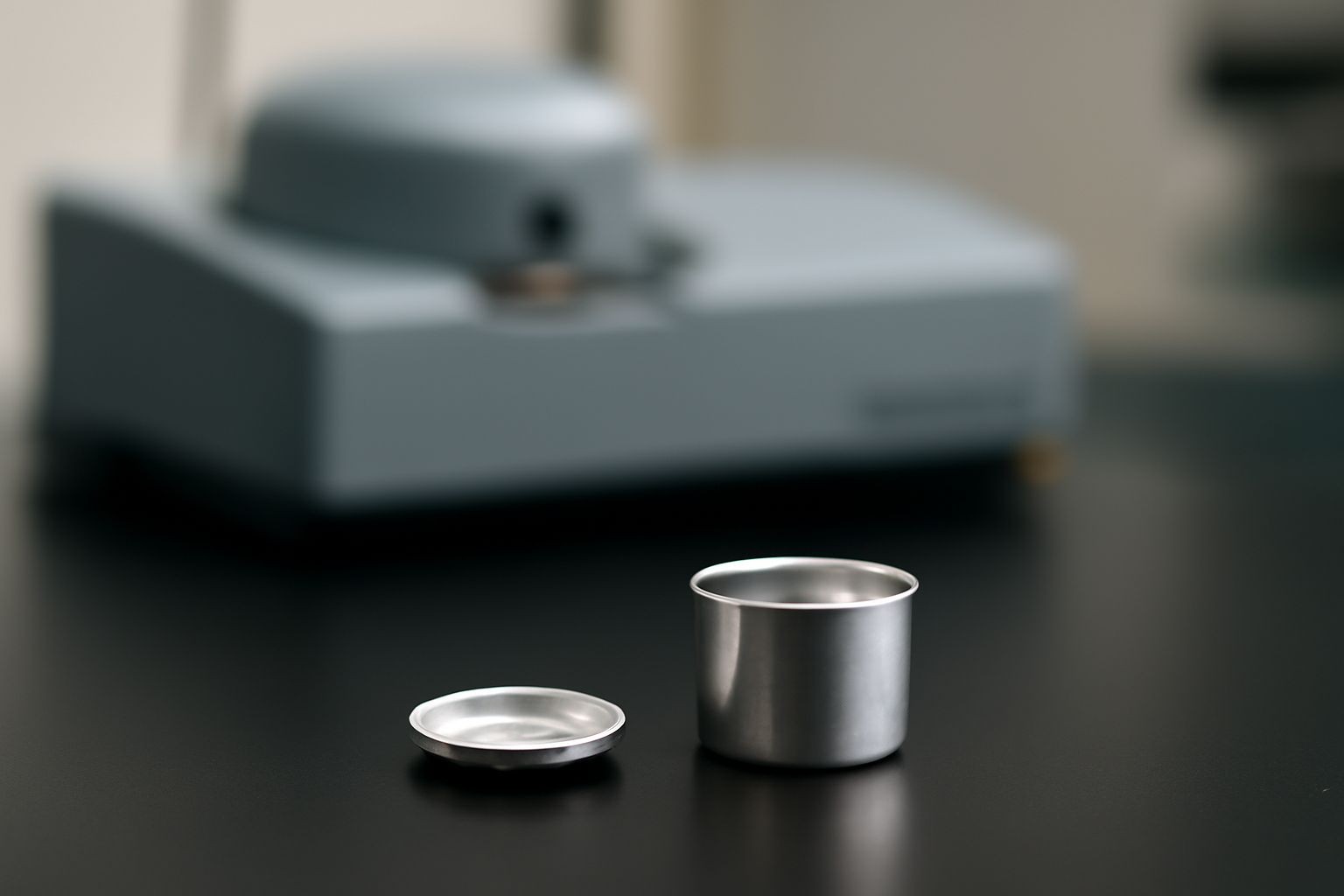
When selecting an economical DSC pan for individual use, key technical specifications to consider include material purity, geometry, and sealing performance. Ensure the pan is made of 99.5% aluminum or better for minimal contamination and reliable thermal response. Pay close attention to wall thickness tolerance (±0.01mm) and inner diameter to ensure compatibility with your DSC equipment. Always check the datasheet for precise dimensions and maximum temperature limits to guarantee accurate measurements and prevent sample loss. Reliable suppliers will provide complete specifications, ensuring both cost-effectiveness and consistent test results.
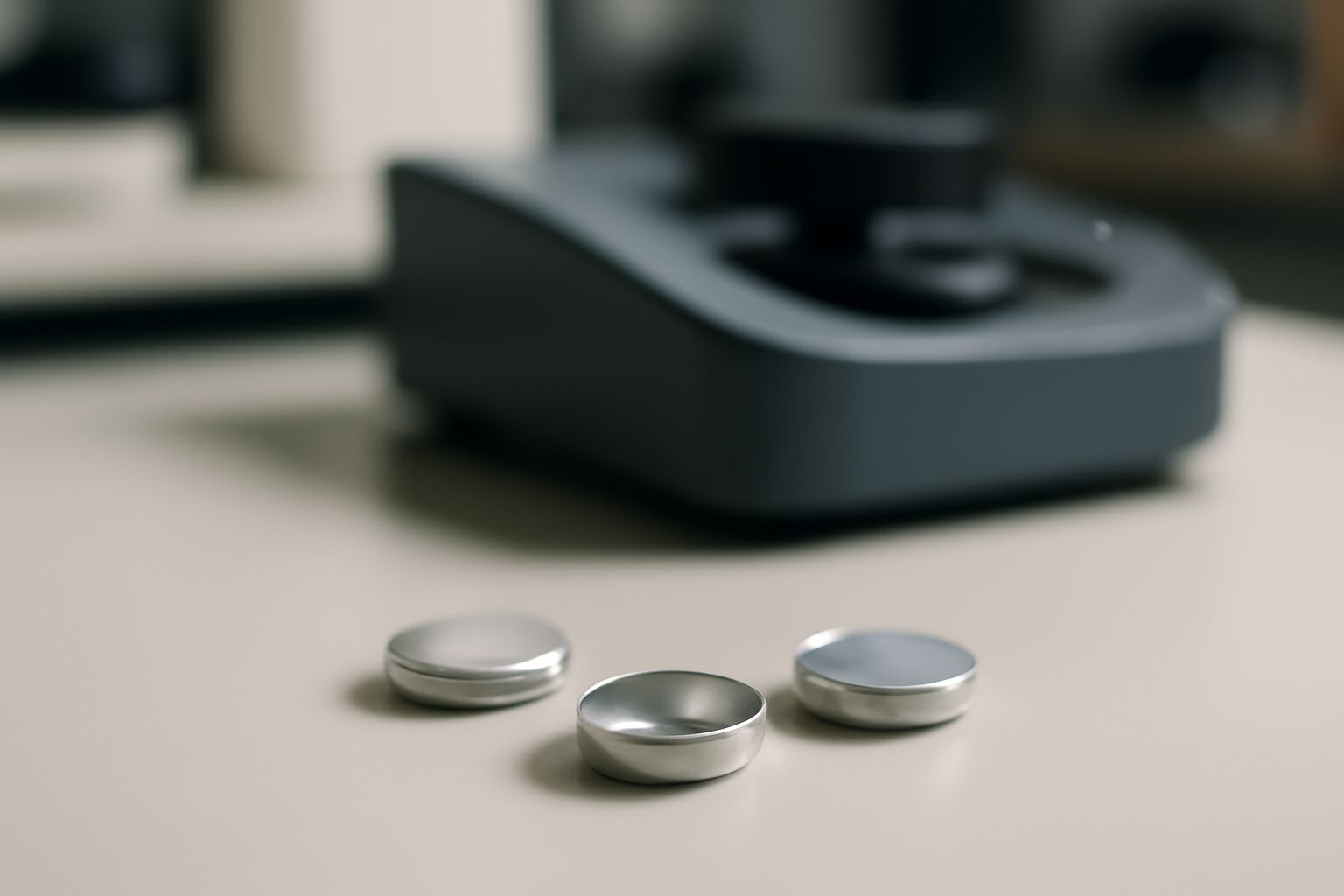
The best economical DSC pans for individual laboratory use are those that balance cost-efficiency with reliable performance. For small labs or individual researchers, materials such as aluminum offer low-cost solutions, while platinum or gold pans may be used for higher temperature or specialized applications. Many budget-friendly pans are compatible with leading brands like TA Instruments, PerkinElmer, Netzsch, and METTLER, providing stable thermal results at a fraction of the cost of OEM pans. Choosing the right material based on sample chemistry and device compatibility ensures accurate data without exceeding budget constraints.
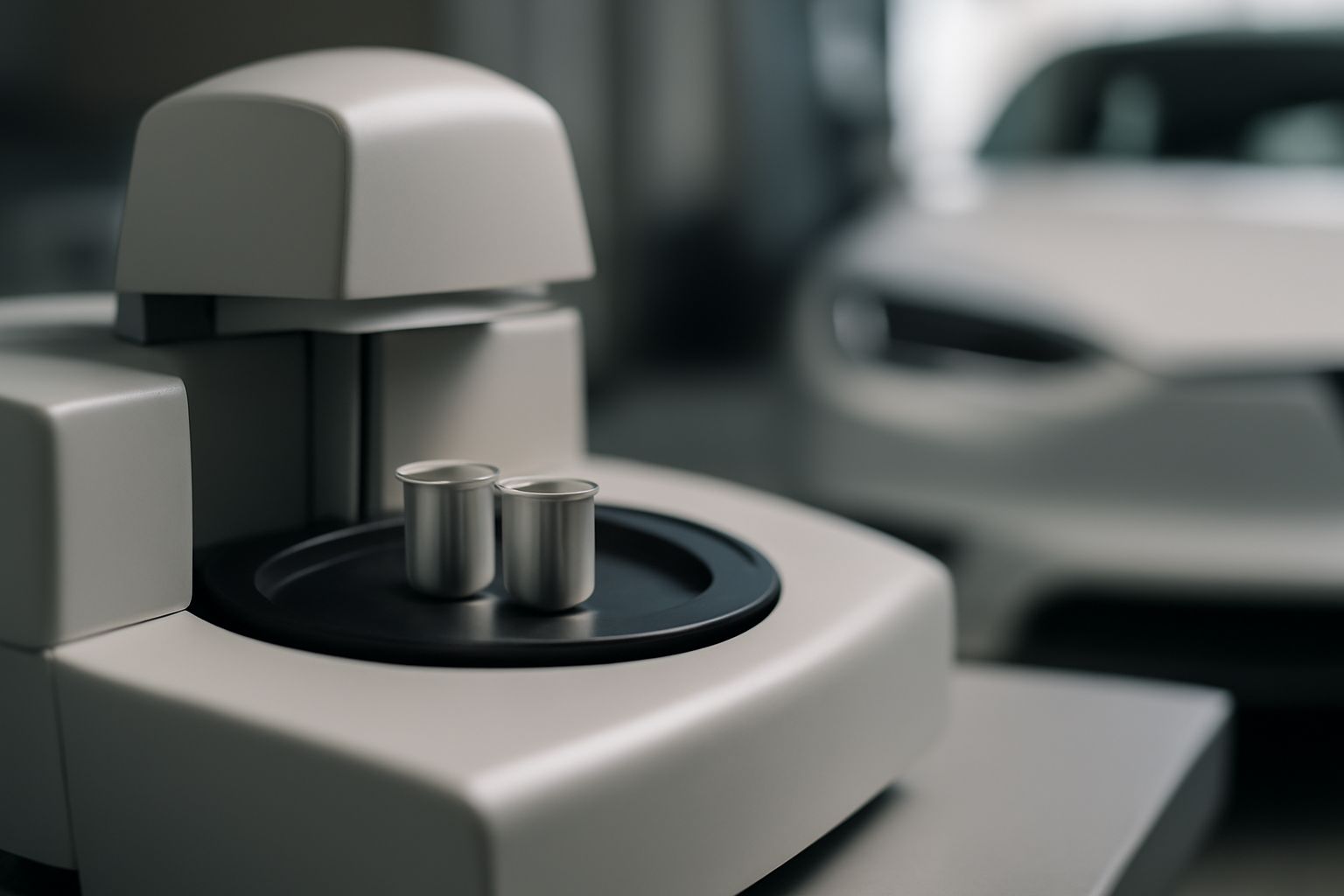
Research-grade DSC crucibles are playing a crucial role in enhancing the accuracy and reliability of thermal analysis in EV battery research. These high-purity crucibles, made from materials like platinum and aluminum, help labs achieve precise thermal measurements to improve battery performance and safety. By preventing contamination and ensuring accurate data, they enable scientists to detect phase changes, monitor thermal reactions, and evaluate the stability of battery components. This contributes to the development of safer and more efficient EV batteries, particularly in response to the global surge in electric vehicle adoption.
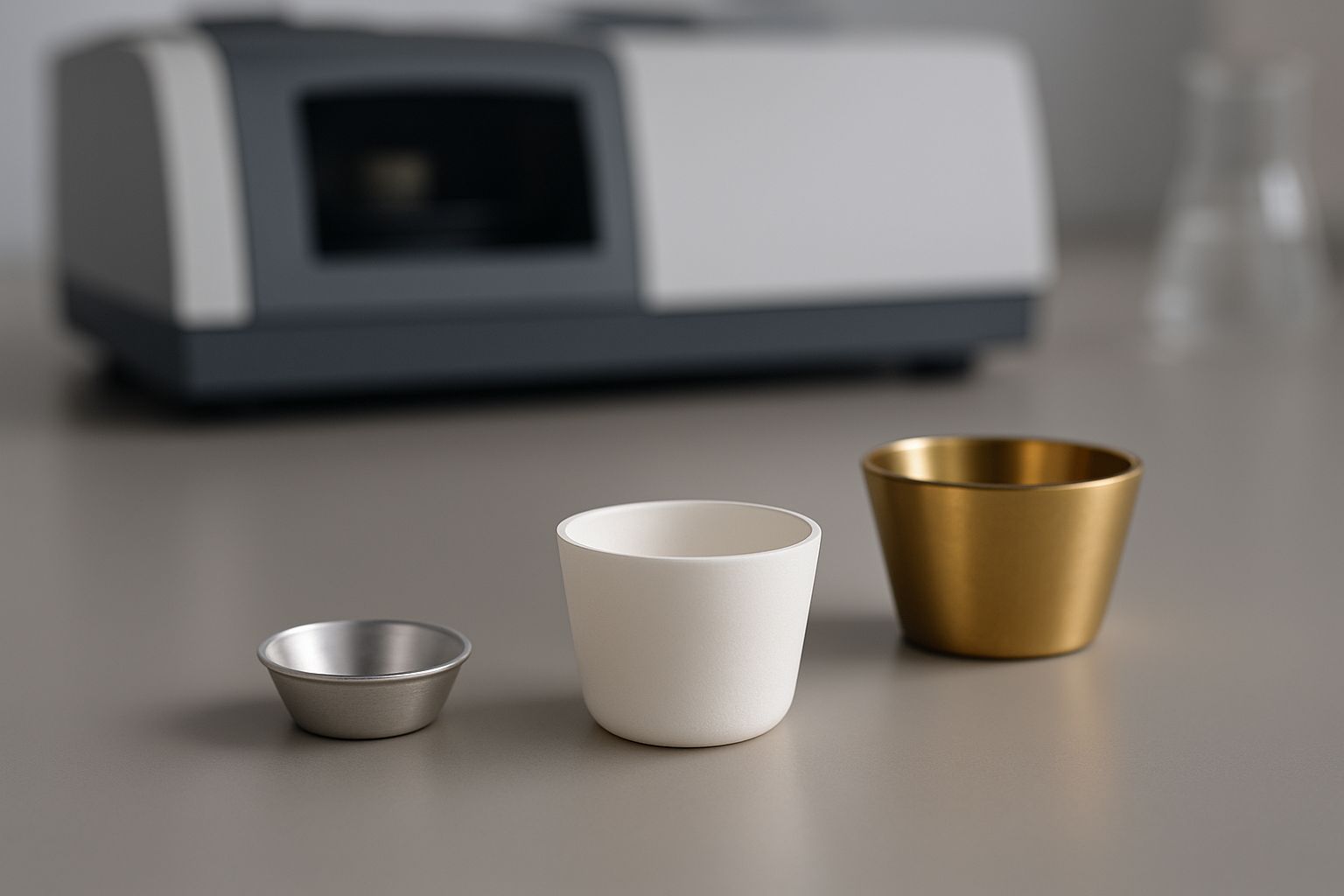
Investing in research-grade DSC crucibles is often worth the upfront cost for many laboratories due to their superior durability, accuracy, and lower replacement rates. While research-grade crucibles can cost two to five times more than standard-grade options, their high purity, enhanced temperature resistance, and reliability in maintaining stable baselines ultimately result in more reliable and repeatable data. This makes them a valuable long-term investment for labs focused on high-quality thermal analysis and minimizing errors in data interpretation.
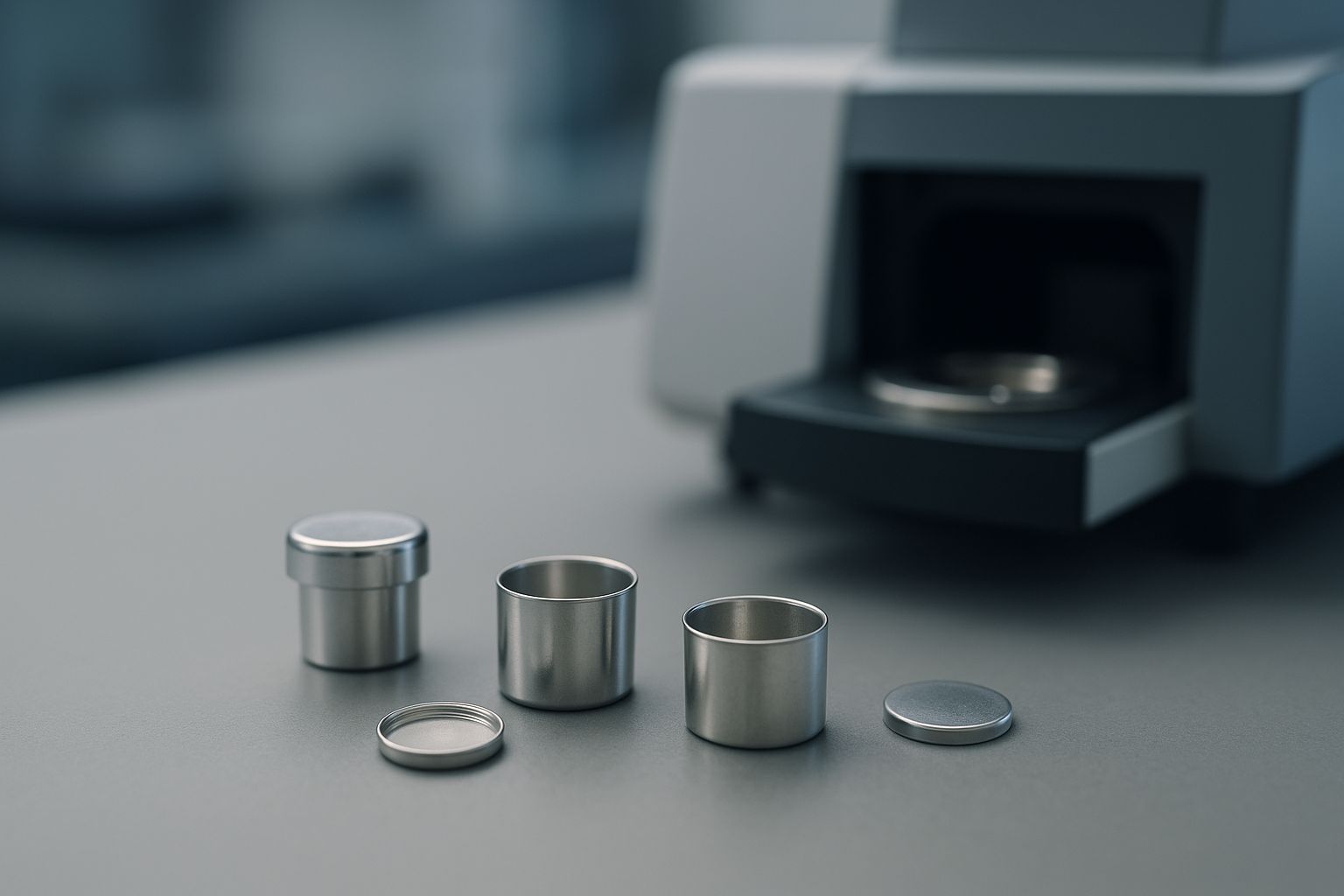
To resolve common DSC crucible testing issues—such as baseline drift, contamination, poor fit, and sealing failures—labs should use high-purity crucibles (>99.9%), ensure accurate dimensional compatibility with DSC instruments (e.g., METTLER, PerkinElmer, TA Instruments), maintain strict cleanliness protocols (ultrasonic or ethanol cleaning), and employ certified sealing tools. Addressing these factors restores stable thermal analysis results and reduces test repeatability errors.


C082.Wangdefu International Building, Furong, Changsha, Hunan, China


+86-19907415020