



SHOPPING CART
Your cart is empty.
shop now
Your cart is empty.
shop now

Multi-brand compatible DSC sample pans are essential for enhancing supply chain resilience in scientific research. These pans allow labs to mitigate risks of vendor backorders and supply disruptions, ensuring project continuity. By diversifying procurement and utilizing multi-brand compatible pans, labs can avoid delays, reduce downtime, and respond more quickly to market changes. This flexibility is particularly crucial for labs facing supply chain challenges, such as those encountered during the COVID-19 pandemic and geopolitical tensions.

The global demand for multi-brand compatible DSC sample pans is increasing due to supply chain disruptions, rising costs, and the need for flexible procurement solutions. Laboratories across industries such as materials science, pharmaceuticals, and electronics are adopting multi-brand DSC pans to ensure uninterrupted research and maintain cost efficiency. Regions like North America, Germany, and Japan are leading this trend, with labs seeking compatible solutions for diverse equipment and rapid delivery. The shift towards online B2C channels and flexible ordering systems has made procurement faster and more reliable.

Labs should choose multi-brand compatible DSC pans in multi-instrument or collaborative environments to streamline operations and reduce inventory complexity. These pans offer precise fit across different DSC brands, enhancing efficiency and ensuring accurate results. By reducing the need for multiple pan types, labs can simplify workflows, lower costs, and avoid errors in busy, multi-user settings.
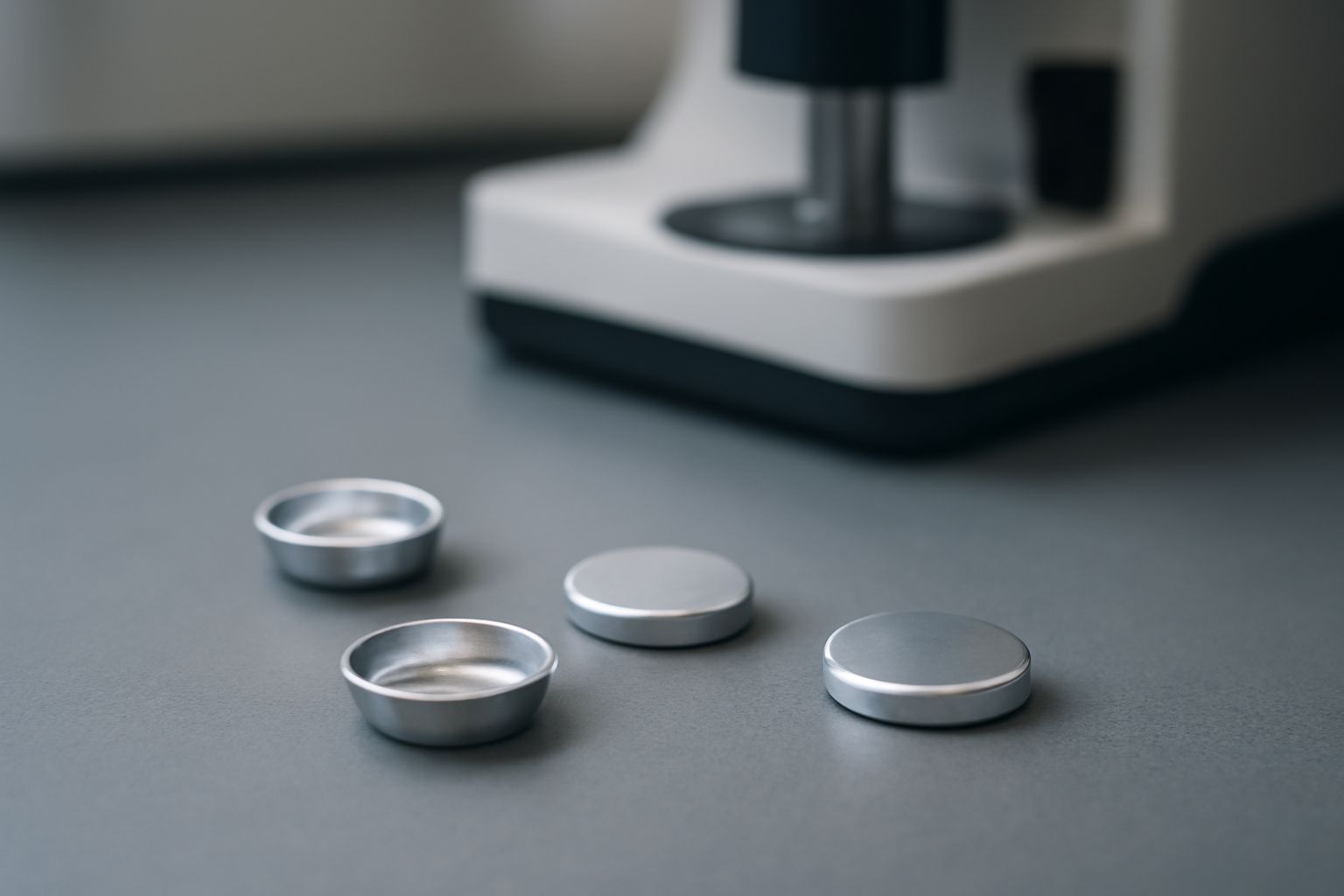
To define reliable multi-brand compatible DSC sample pans, focus on the following technical features: dimension tolerance of ±0.01 mm, high purity materials like aluminum (99.99%) and platinum (99.95%), customizable sealing methods, and precise pan capacities (20–50 μL). These factors ensure consistent thermal analysis, minimize errors, and improve instrument compatibility. Always verify pan dimensions, materials, and sealing design to avoid test failures and delays in research.
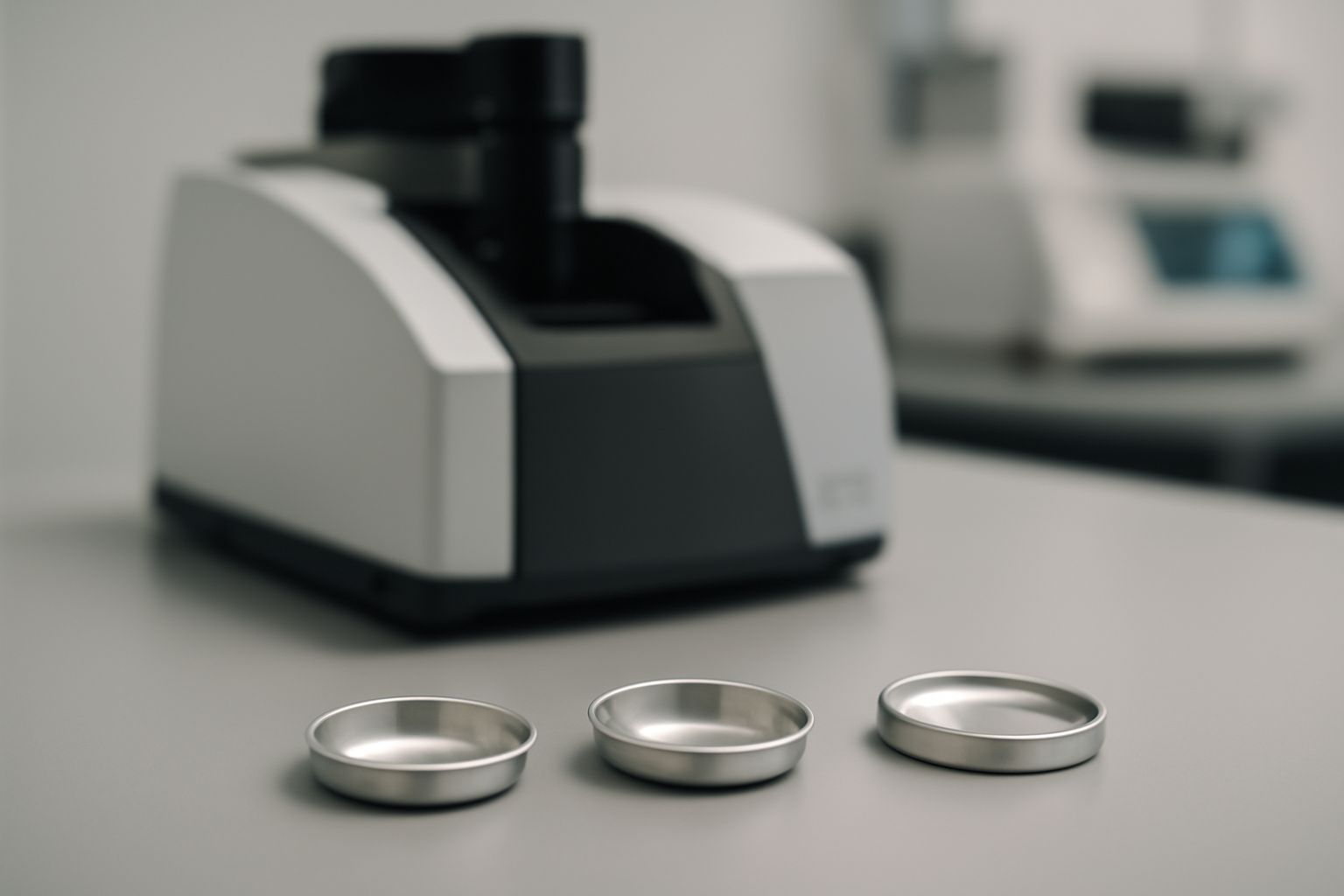
To select multi-brand compatible DSC pans for your lab’s analytical instruments, focus on essential specifications such as pan size, material quality, sealing style, and maximum working temperature. Ensure that the pans match the requirements of your DSC model to avoid errors and maintain reliable results. Always consult technical datasheets, compatibility charts, and real customer feedback before purchasing to save time and money, ensuring both fit and durability.
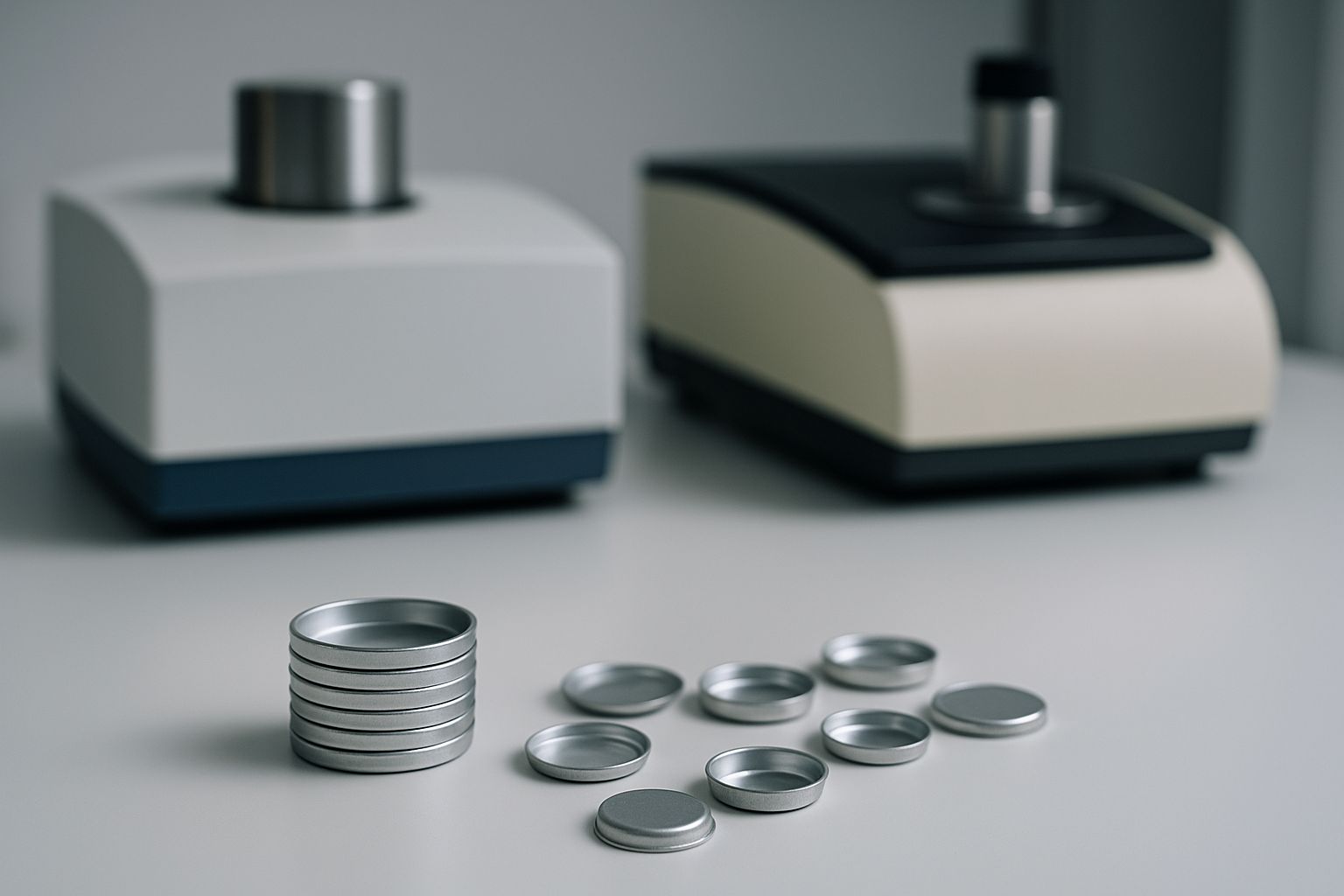
Multi-brand compatible DSC sample pans offer material science and analytical laboratories significant benefits by enhancing testing flexibility, reducing costs, and improving research efficiency. These pans are designed to fit multiple Differential Scanning Calorimetry (DSC) instruments from brands like TA Instruments and METTLER. They help streamline workflows, save time, and reduce interruptions, allowing labs to work across different equipment without delays. Material science labs benefit the most from these versatile pans, as they reduce the need for specific brand pans, cut supply chain costs, and improve testing consistency across various DSC models.
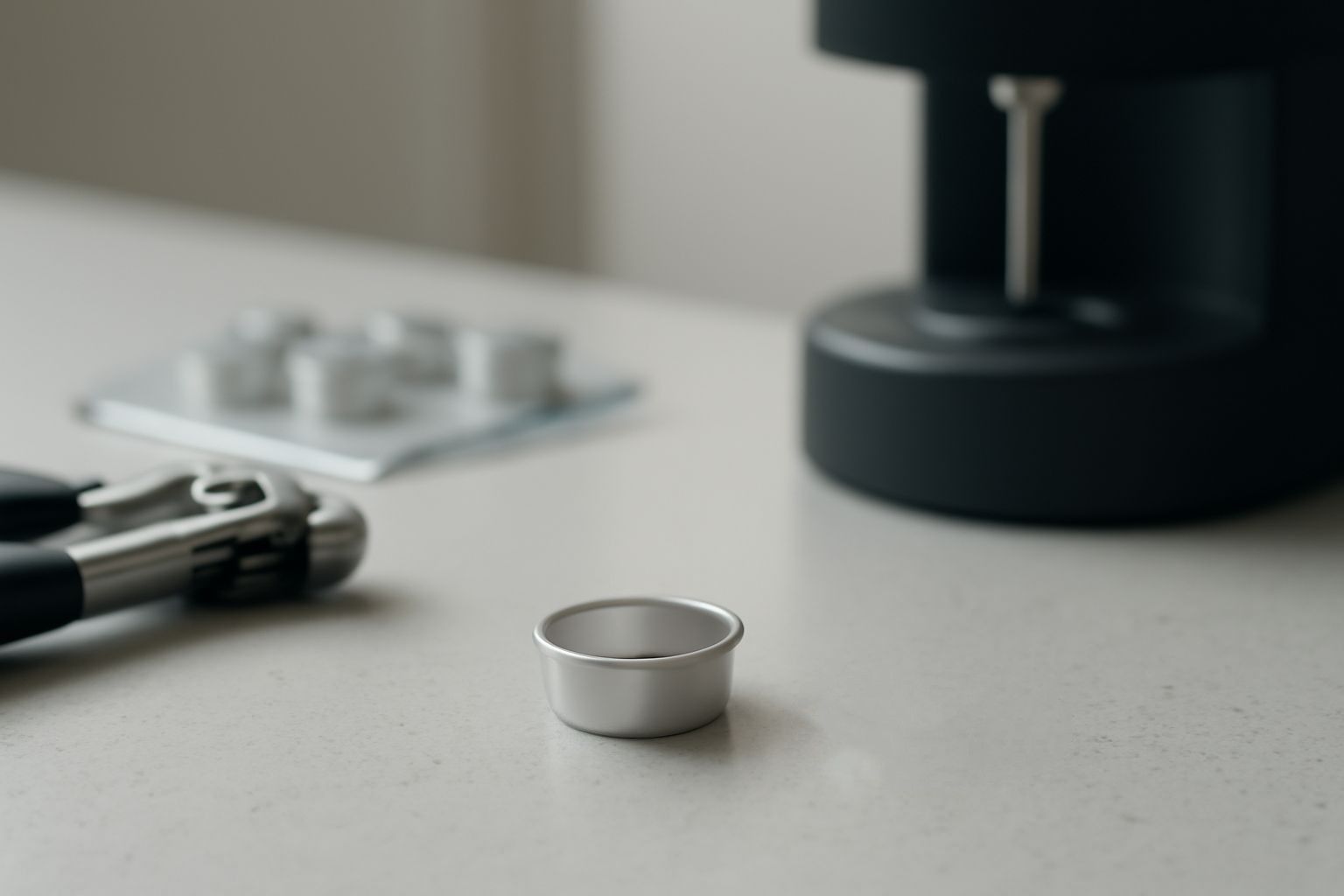
To get the most out of economical DSC pans in your personal lab, follow these key tips: Clean your pans thoroughly after each use to prevent contamination and corrosion, optimize sealing with proper crimping tools, verify pan performance with simple tests like weighing and dry-run cycles, and store your pans in dedicated dust-free boxes to avoid cross-contamination. By implementing these practices, you can extend the lifespan and improve the performance of budget-friendly DSC pans, making them a reliable tool for your experiments.
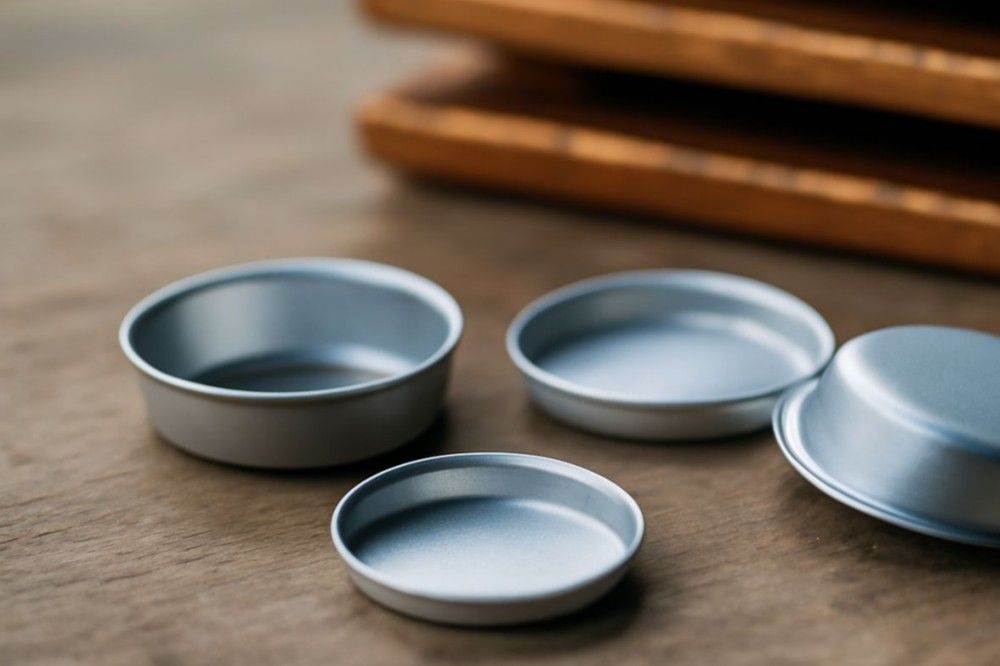
Rising raw material prices, particularly aluminum, are significantly impacting the affordability of DSC pans for individual labs. The recent volatility in aluminum prices, coupled with shipping disruptions, has caused frequent price hikes, making it more challenging for small research labs to predict and manage their budgets effectively. To adapt, labs can take steps like batching purchases, working with regional suppliers, and staying informed on price trends to mitigate cost surges and supply shortages.


C082.Wangdefu International Building, Furong, Changsha, Hunan, China


+86-19907415020