



SHOPPING CART
Your cart is empty.
shop now
Your cart is empty.
shop now
Lab budgets get squeezed, consumable costs creep up, and every dollar wasted matters. Cheap DSC pans aren't just about cutting costs—they unlock serious long-term savings for busy researchers.
Individual researchers can cut more than half their annual expenses on DSC pans by choosing economical options, especially with frequent testing. But true savings depend on the full purchase and usage cycle.
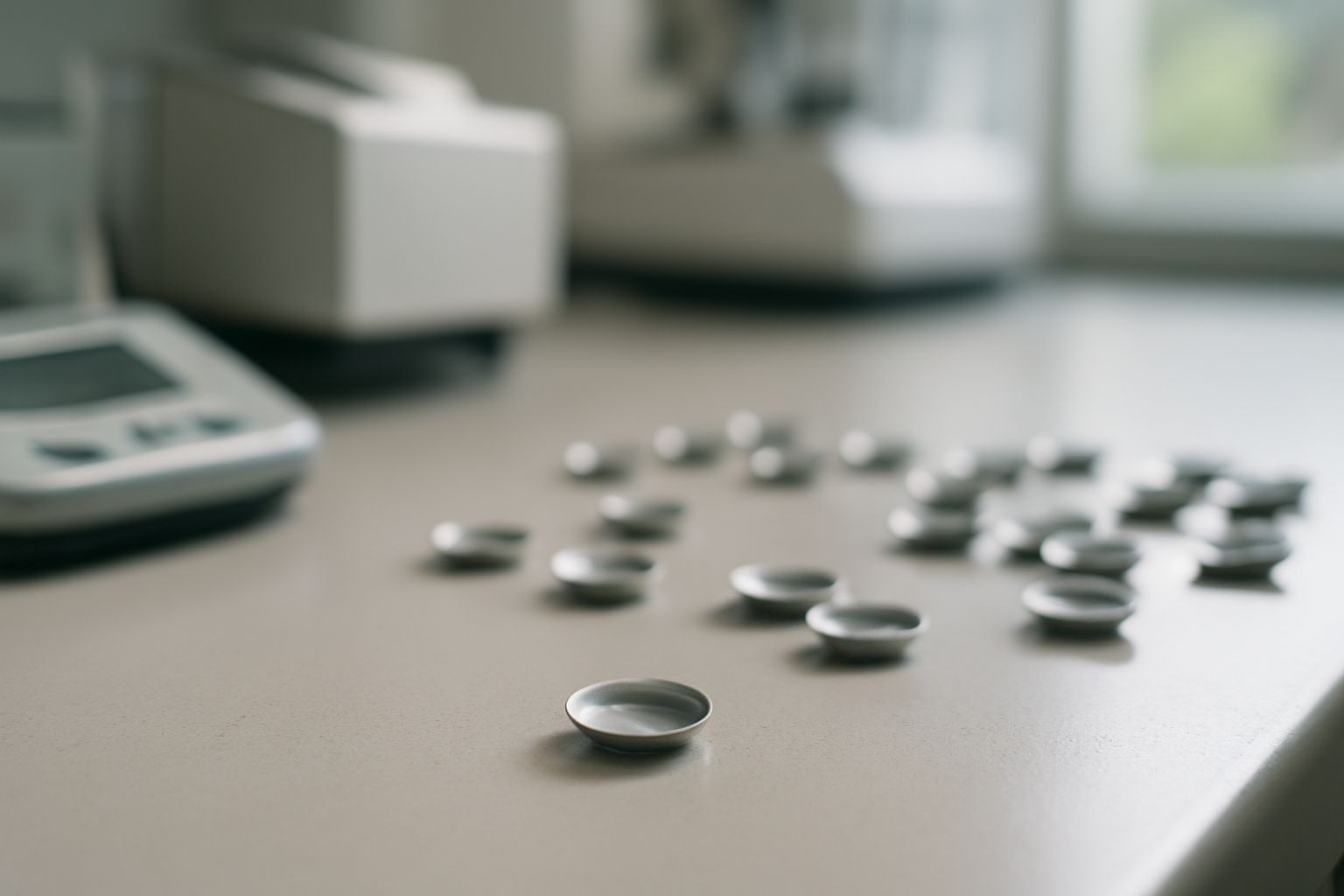
Switching to lower-cost DSC pans looks smart at checkout. The real question is how much you actually keep after shipping, minimum orders, and waste. Let’s break down these numbers so you can decide with confidence.
Sticker shock hits when original DSC pans run $2–3 per piece, versus $0.8–1.2 for high-quality alternatives. But how much does the gap add up after dozens of test runs?
The price gap between original and economical DSC pans can be as high as 60%. For a lab running 500 tests each year, this means saving up to $900 annually on pans alone.
| Type | Unit Price (USD) | Annual Usage (500 runs) | Total Annual Cost |
|---|---|---|---|
| Original Brand Pans | $2.50 | 500 | $1,250 |
| Economical Pans | $1.00 | 500 | $500 |
| Potential Yearly Savings | $750 | ||
Those savings are significant for most labs. Keep in mind, such price differences appear across many brands globally. For more context on thermal analysis consumables, data from commercial suppliers (see PerkinElmer, TA Instruments catalogues) back up these real-world numbers.
Busy labs burn through pans fast. Each analysis can use one or more pans. High-frequency use makes the cost gap grow larger over time, affecting yearly budgets directly.
The more often you run DSC tests, the more your cost multiplies. Over a year, labs see total spending on pans surge. Switching to economical pans reduces total cost by more than 50% for heavy users.
| Annual Test Runs | Brand Pans Cost | Economical Pans Cost | Percent Saved |
|---|---|---|---|
| 100 | $250 | $100 | 60% |
| 500 | $1,250 | $500 | 60% |
| 1000 | $2,500 | $1,000 | 60% |
Researchers working in materials science or quality control see the biggest gains. Published industry data, such as peer-reviewed application notes, confirm pans are single-use for most labs, so the yearly cost grows fast.
Low sticker prices are tempting. But real costs sneak in through minimum order quantities, freight fees, customs taxes, and the number of pans per pack—these all affect the final price you pay.
Yes, hidden costs such as shipping and minimum orders may raise your real per-pan price by up to 30%. Always calculate the all-in landed cost before choosing a supplier.
| Expense Type | Impact | Typical Range | Influence on Final Cost |
|---|---|---|---|
| Shipping Fees | Adds flat or variable cost | $30–$80 per order | +6% to +25% |
| Minimum Order | May require buying 100–500 pcs | 100–500 pans | Higher up-front outlay |
| Customs/VAT | Country-dependent tax | 0–20% value | Up to +20% |
| Packing/Waste | Rejects or defects included | 1–5% waste | Slight |
Factor these into your budget planning. Detailed supplier terms are essential, and international labs should review freight and payment rules to avoid surprises.
Custom batch production allows labs to get pans that fit unique samples. The price per piece often drops when ordering a tailored batch, but setup fees and minimum quantities still apply.
Ordering custom batches reduces the cost per pan if you meet the supplier’s minimum run. For small-volume users, balance between unit price, setup cost, and actual need for customization.
| Order Type | Min. Quantity | Custom Fee | Typical Unit Price | When It Pays Off |
|---|---|---|---|---|
| Standard Stock | 50 | None | $1.00 | Routine DSC tests |
| Custom Batch | 100–200 | $50–$150 | $0.80–$1.10 | Special samples, repeat runs |
| Brand Direct | 100 | None | $2.50+ | High-purity or regulated labs |
Small labs should compare their actual run count and needs before going custom. For more on custom manufacturing strategies in lab consumables, trade organizations and academic reviews can provide additional tips.


C082.Wangdefu International Building, Furong, Changsha, Hunan, China


+86-19907415020