



SHOPPING CART
Your cart is empty.
shop now
Your cart is empty.
shop now
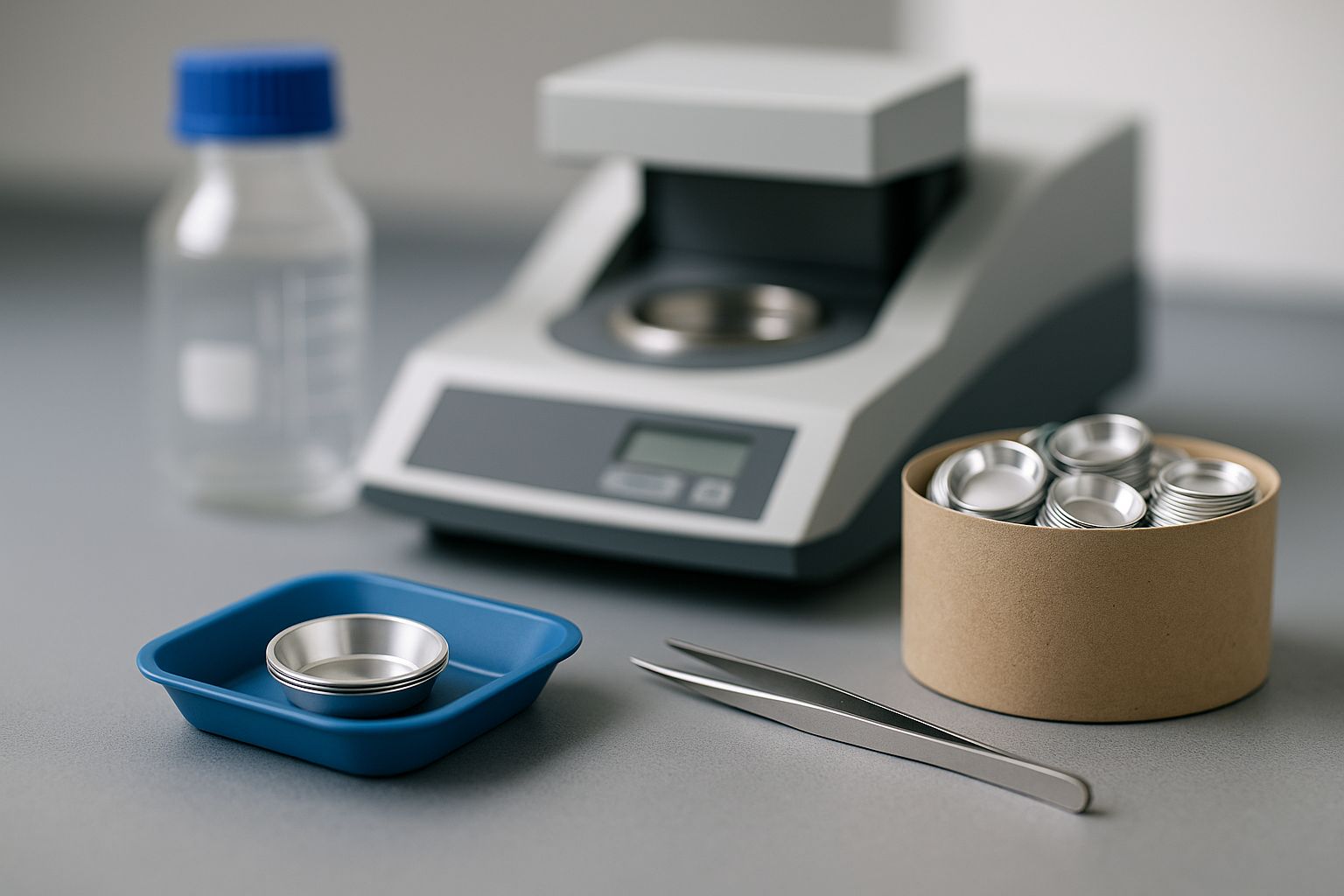
Material scientists can optimize test consumable costs without compromising quality by evaluating third-party consumables that meet manufacturer standards. Labs should benchmark materials based on material purity, dimensional accuracy, instrument compatibility, and batch consistency. It's also vital to assess hidden procurement costs, such as shipping, tariffs, and lead times, to avoid unexpected expenses. Value should be judged by true cost-per-use, data consistency, and supplier support—not just price. For best results, labs can adopt a hybrid strategy that balances bulk orders for routine tests and custom sizes for specialized projects. Validation testing and strong vendor relationships are key to maintaining reliable results while cutting costs.
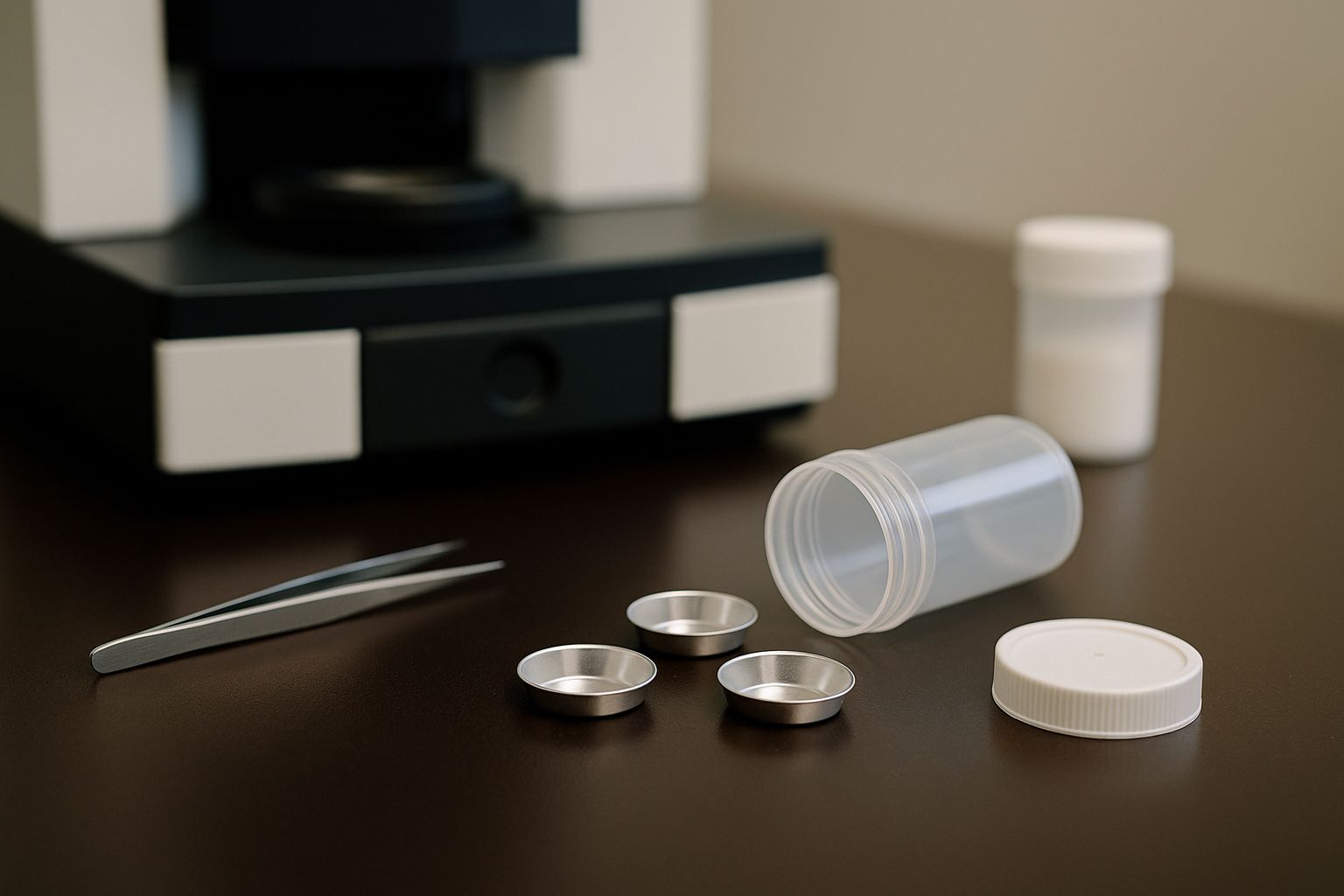
If test consumables are causing unreliable material science data, begin by isolating the issue through contamination checks, material compatibility reviews, and batch comparisons. Replace any pans or crucibles that show deformation, residue, or sealing issues. Use blank runs and certified reference materials to detect interference. Maintain strict batch tracking to quickly identify faulty lots and avoid repeating errors. Consistent documentation and early replacement of questionable consumables ensure data accuracy, audit readiness, and lab productivity.
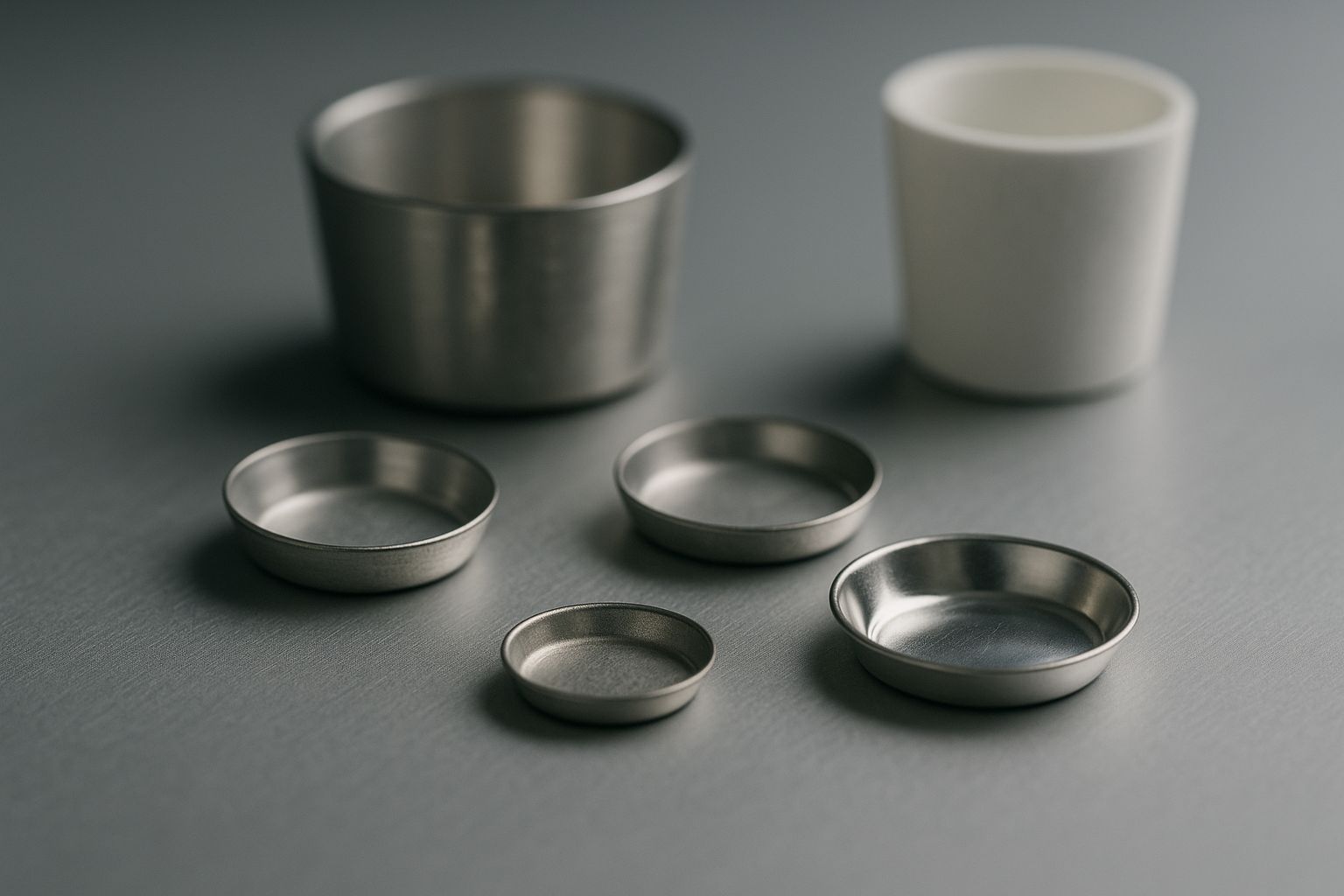
Premium test consumables for materials analysis are defined by four key technical parameters: material purity, dimensional accuracy, instrument compatibility, and certifications. High-purity materials (e.g., ≥99.99% aluminum or platinum) prevent contamination and unwanted reactions. Tight dimensional tolerances (±0.01 mm) ensure stable fit and thermal contact with analysis instruments. Verified compatibility with brands like TA, NETZSCH, and Mettler avoids misalignment or damage. Finally, compliance with standards like ISO 9001 and documentation such as spectrographic reports and batch traceability prove the reliability and quality of the consumables.
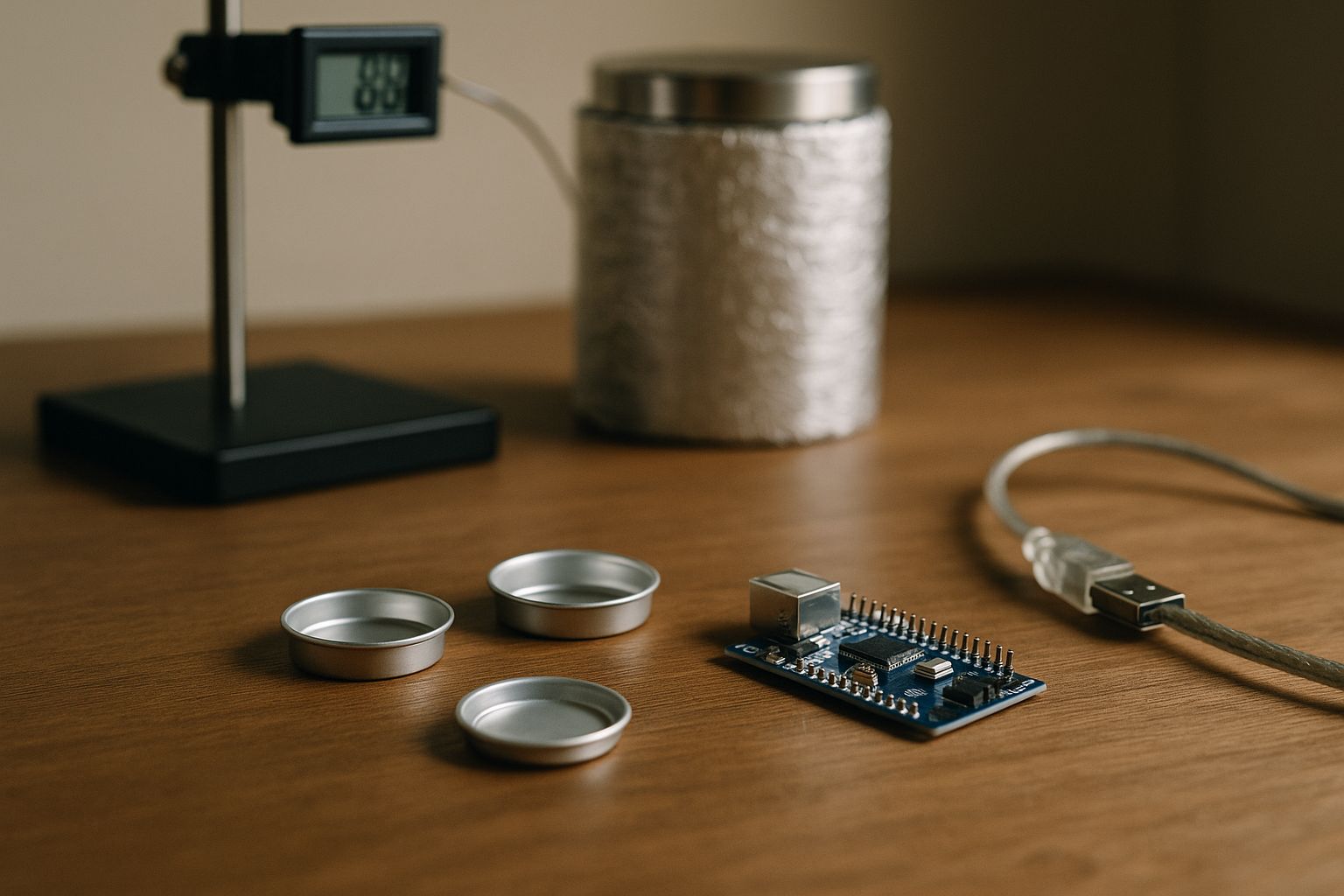
Material scientists need test consumables such as sample pans, crucibles, lids/seals, calibration standards, and O-rings to ensure accurate and repeatable experimental results. These consumables directly influence data reliability by affecting factors like heat transfer, contamination, and atmospheric control. For instance, a poor-quality lid can cause leaks in volatile samples, leading to mass loss and distorted readings. Choosing the right consumables depends on the instrument used (e.g., DSC, TGA, STA), sample characteristics, and test conditions. To maintain trustworthy results, scientists must match consumables to their instruments' specifications and the specific requirements of each test method.
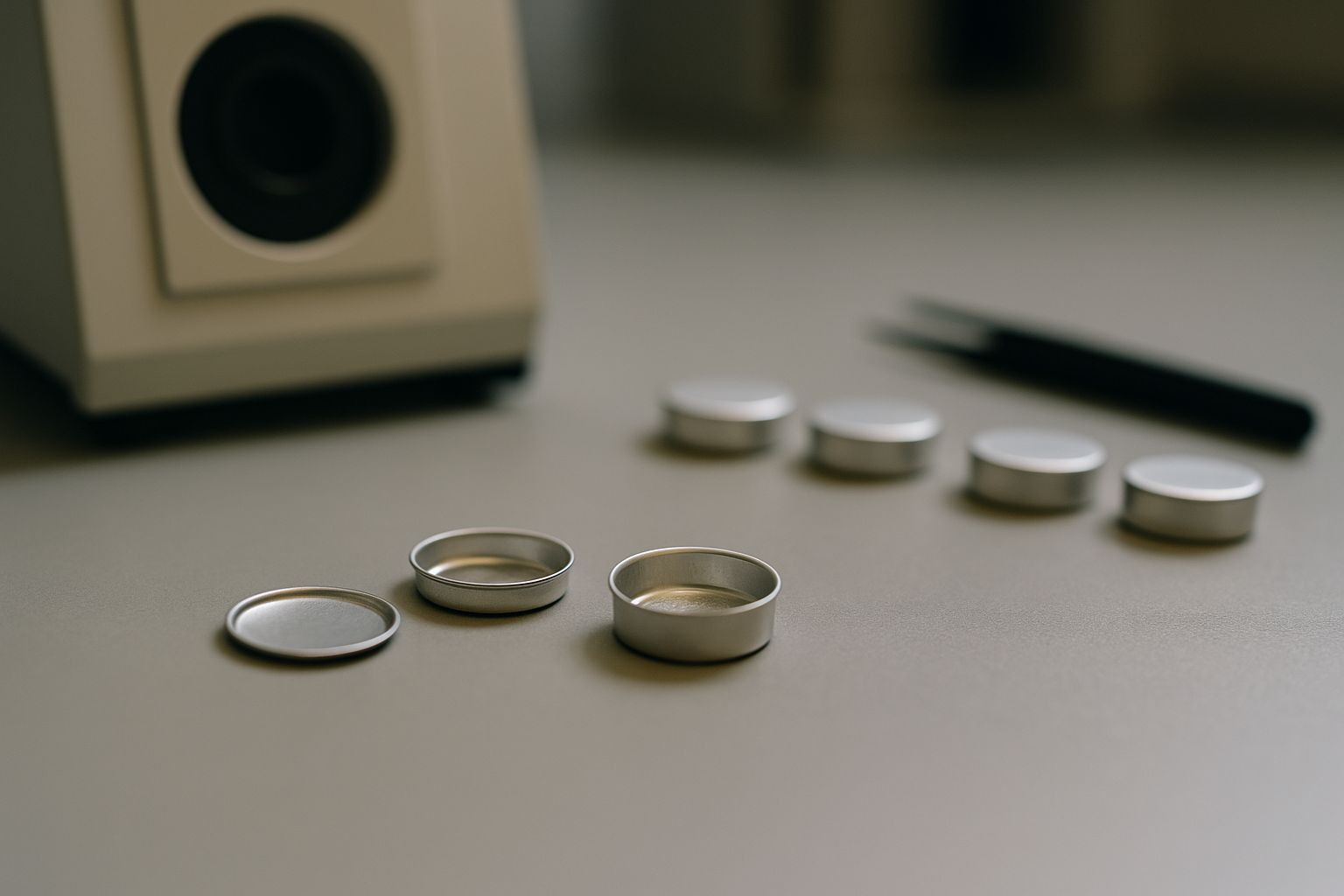
When using DSC sample pans in home laboratories, common mistakes like improper handling, sealing, and cleaning can lead to inaccurate results and wasted resources. To ensure reliable thermal analysis, avoid errors such as not centering the pan on the sensor, using dirty tools, and sealing issues. Always clean pans with pure solvents, properly seal them, and store them in dry, safe conditions. By adopting proper techniques, you can reduce errors, save costs, and extend the life of your DSC sample pans.

Home labs are reshaping materials science by empowering independent researchers to innovate outside traditional institutions. In a post-COVID landscape of R&D decentralization, these home-based setups lower barriers by leveraging local resources, open-source tools, and community networks. While home scientists face challenges like limited equipment access, sample sensitivity, and global supply constraints—especially for thermal analysis using DSC (Differential Scanning Calorimetry)—they benefit from flexible experimentation, peer feedback loops, and direct-to-consumer sourcing. Supply chain shifts and geopolitical tensions add complexity to sourcing, but open collaboration platforms and decentralized workflows now allow meaningful research to thrive at the grassroots level.
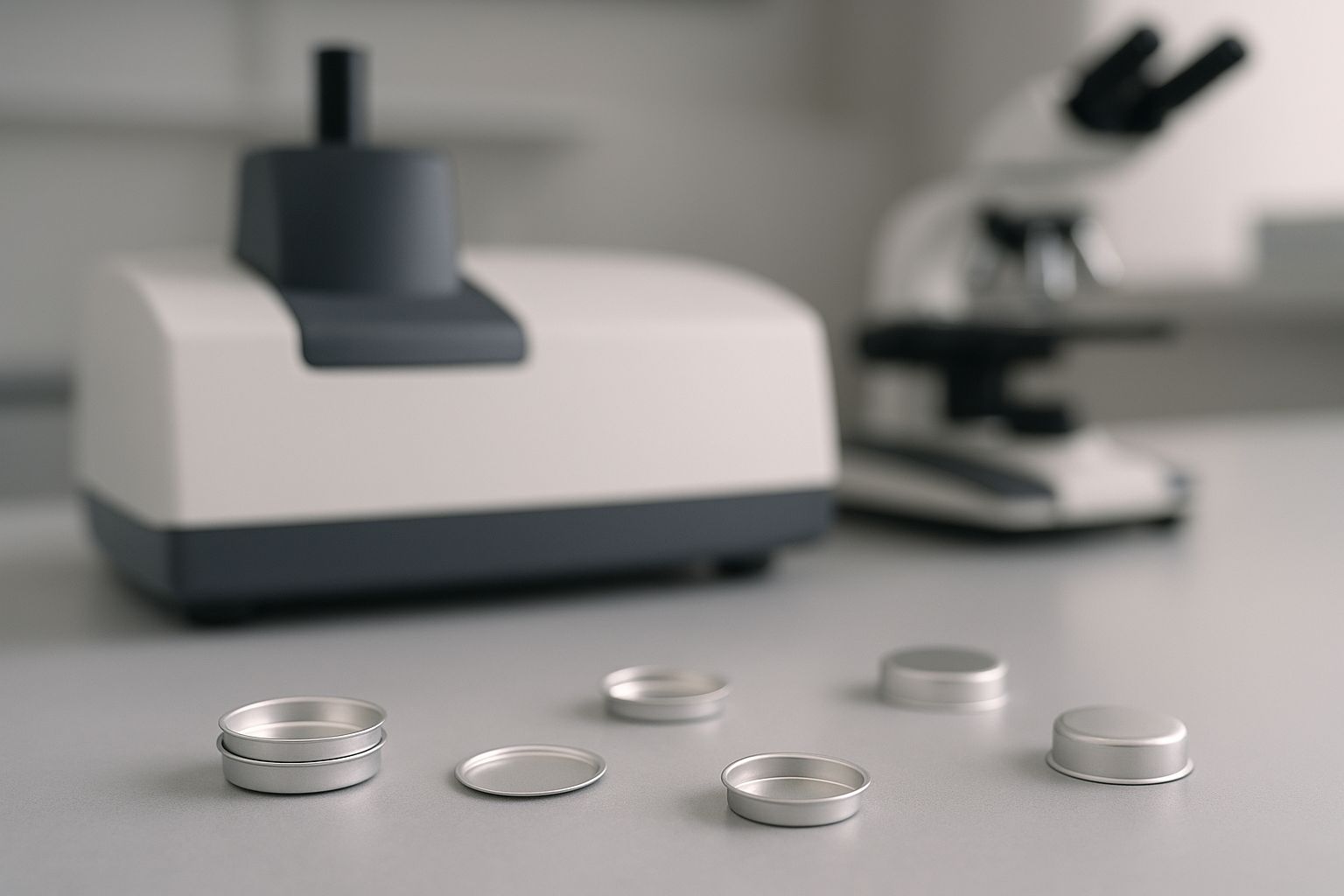
The 2026 outlook shows that DSC sample pans are experiencing rising demand in the home laboratory sector due to affordable thermal analysis tools, increasing interest in DIY science, and widespread remote education. Key drivers include the availability of low-cost DSC equipment, open-source learning materials, and demand from remote students and hobby researchers. North America, Western Europe, and Japan lead regional growth, with users favoring cost-effective, compatible pans from suppliers like REDTHERMO over premium legacy brands. These shifts reflect a broader trend where individuals, students, and citizen scientists now require reliable thermal testing consumables for at-home experimentation and learning.
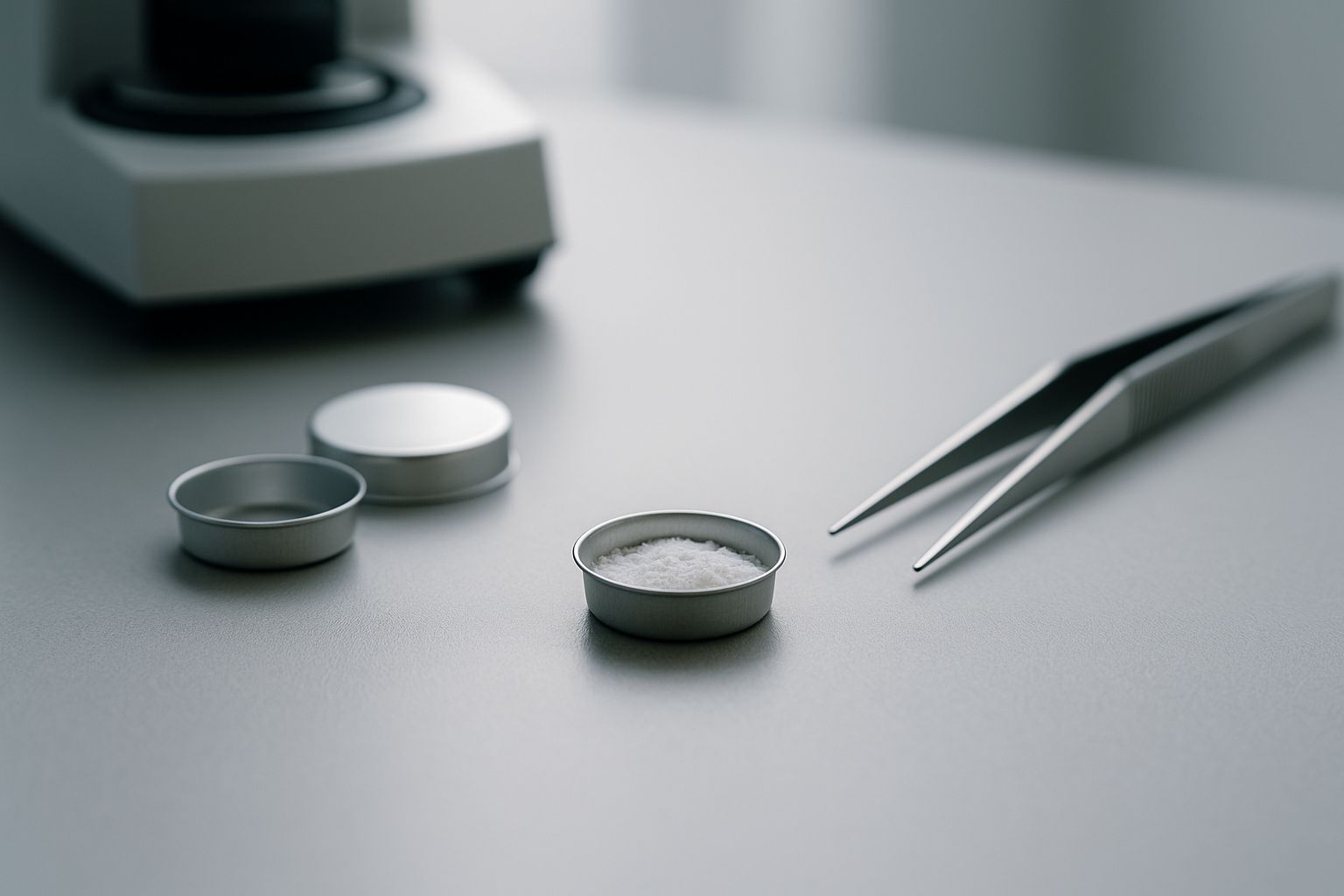
Best Practices for DSC Sample Pan Selection in Home Labs Handling Sensitive Samples: To achieve accurate DSC results when working with sensitive samples in a home lab, DSC sample pan selection must align with your sample’s thermal behavior and physical characteristics: Polymers: Use standard or sealed aluminum pans to ensure thermal compatibility and prevent loss of volatile components. Avoid recycled pans for consistency. Pharmaceuticals: Choose inert metal pans like aluminum, platinum, or gold to avoid chemical interactions. Always seal moisture- or light-sensitive drug samples. Food samples: Opt for flat, low-mass aluminum pans for greases and sugars, and wear gloves to prevent contamination.


C082.Wangdefu International Building, Furong, Changsha, Hunan, China


+86-19907415020