



SHOPPING CART
Your cart is empty.
shop now
Your cart is empty.
shop now
Many home lab users struggle with DSC test inconsistency due to overlooked handling errors, ending up with unreliable results and wasted resources.
If you want dependable DSC analysis, avoid top user mistakes with sample pans, like improper handling, sealing, or cleaning, and adopt proven routines to keep your workflow solid.
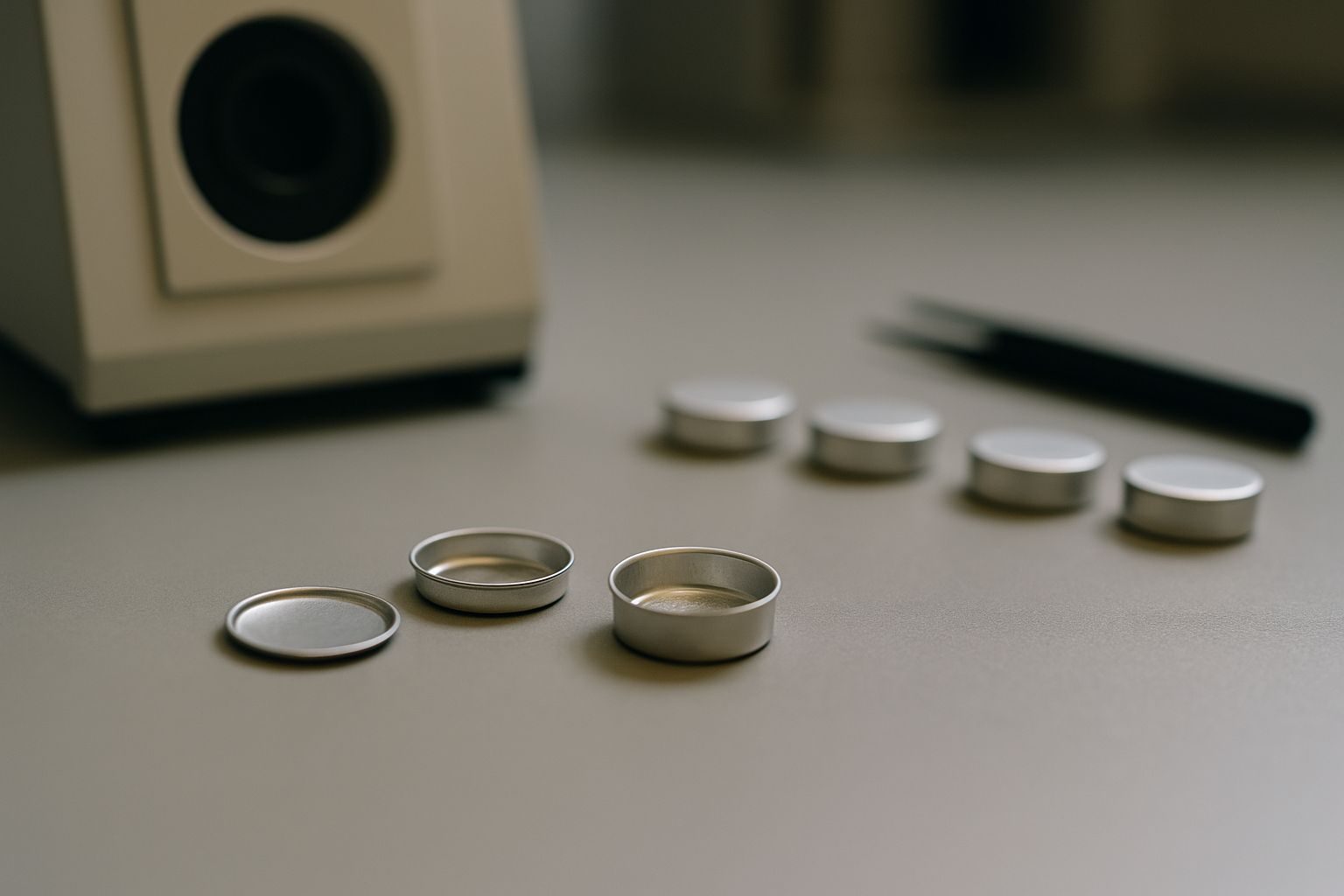
Most home experimenters want precise thermal analysis data, but careless preparation can reduce accuracy and raise costs. Simple changes and reliable routines help avoid wasted effort, bad results, and the headache of constant pan replacement. Read on for practical tips any home lab can use to get reliable DSC testing and value from every sample pan.
Messy bench habits, pan mishandling, and skipping key steps can produce surprising DSC errors—no advanced skills needed to miss the basics.
Inaccurate DSC data in home settings often comes from careless pan placement, using dirty tools, or wrong temperature calibrations. Focus on solid cleanliness and instrument setup for better results every time.
| Cause | Data Impact | How to Spot / Fix |
|---|---|---|
| Pan not centered on sensor (see DSC) |
Peaks shift, results fluctuate | Align pan visually, check with reference run |
| Leftover residue in pan | Baseline drift, odd features | Clean thoroughly, use pure solvent if needed |
| Incorrect reference pan filled/empty | Calibration errors, wrong heat flow data | Always match sample/reference weights |
| Unstable temperature environment | Noise, unreliable signals | Keep setup away from sunlight, drafts |
| Using worn or damaged pans | Poor sealing, irregular curves | Inspect pans before use; replace as needed |
Any mistake here adds up. Even a clean room does not help if you do not center the pan or match reference weights. Consistent errors will always affect your results, so I always try to double-check my setup as a habit. For more about instrument setup, the NIST thermal analysis resource offers extra practical guidelines.
Many home labs skip detailed cleaning, leaving old residues and causing cross-contamination in sensitive DSC tests.
For reliable reuse, always clean DSC pans with pure solvents like acetone or ethanol, then dry fully to prevent residue. Avoid abrasives that scratch pan surfaces.
| Step | Purpose | Helpful Details |
|---|---|---|
| Initial Rinse with Solvent | Remove most visible residues | Use lab-grade acetone or ethanol |
| Gentle Wipe with Lint-free Cloth | Collect leftover solid contaminants | Avoid paper towels that shed fibers (Lint) |
| Drying with Warm Air | Prevent water spots, avoid oxidation | Use a clean hair dryer on low setting |
| (Optional) Mild Acid Dip | Remove stubborn burns or corrosion | Wear gloves, follow chemical safety steps |
| Inspect for Damage | Ensure pan is ready for next run | Look for scratches or warps; damaged pans lower data quality |
I learned that cleaning is more than a quick rinse; full drying is vital. Residue is an easy trap, making old data show up in later tests. When in doubt, I do an extra pass. For more tips on proper solvents, the best solvent cleaning guide breaks down options for each pan material.
Poorly sealed DSC pans can leak volatile samples, invite air gaps, or create unwanted reactions during testing.
Not sealing sample pans well can cause sample to evaporate or react with air, leading to mass loss, noisy data, and useless test results.
| Common Error | Resulting Problem | How to Prevent |
|---|---|---|
| Cap not pressed down fully | Pan leaks, vapor escapes | Use even pressure, confirm tight fit each time |
| Pan deformed after first use | Lid won’t seal, air leaks in | Replace bent pans, check for flatness before resealing |
| Using wrong lids for sample type | Pressure builds or sample oxidizes | Choose vented or standard pans as needed (Crucible info) |
| Dirty sealing surface | Pan does not close properly, volatile escape | Always clean both lid and pan lip |
| Overfilling pans with sample | Lid cannot shut fully, larger air pockets inside | Stick to recommended sample masses (see instrument guide) |
I once lost a full session because I used the wrong lids—samples evaporated and peaks got lost in noise. Home users need to take time with seals. Different chemicals may need vented pans to avoid pressure, something explained by the PerkinElmer pan manual.
Throwing pans into crowded drawers ruins shape and surface, but storing right means pans can last through many careful uses.
Keep clean DSC pans in sealed, dry boxes, away from acids or moisture, and avoid stacking them tightly. Separation keeps surfaces undamaged and ready for new tests.
| Storage Step | Why It’s Important | How I Handle It |
|---|---|---|
| Use sealed containers with silica packs | Reduces exposure to air, stops corrosion | I save old ESD-safe boxes and add new silica gel each time |
| Store pans upright or in trays | Prevents warping, scratches | Simple coin tubes or foam sheets work |
| Label with usage history (Traceability) | Ensures damaged pans not reused by mistake | I mark pans with permanent pen or color sticker |
| Keep away from acids or reactive chemicals | Avoids unseen corrosion that ruins tests | I dedicate one plastic drawer for clean pans only |
| Avoid over-stacking or heavy weight | Stops tiny dents, lid damage | Each pan gets its own slot whenever possible |
I ruined early pans by storing them in open bags next to cleaning acids. I keep pans in small trays now, with labels for each use. This habit is borrowed from basic lab glassware storage rules, which help pans last much longer between purchases.
Avoiding simple mistakes in DSC pan use makes home experiments more reliable, lowers costs, and saves time with less wasted work and fewer pan replacements.
Need help choosing pans? Contact REDTHERMO Technical Support

C082.Wangdefu International Building, Furong, Changsha, Hunan, China


+86-19907415020