



SHOPPING CART
Your cart is empty.
shop now
Your cart is empty.
shop now
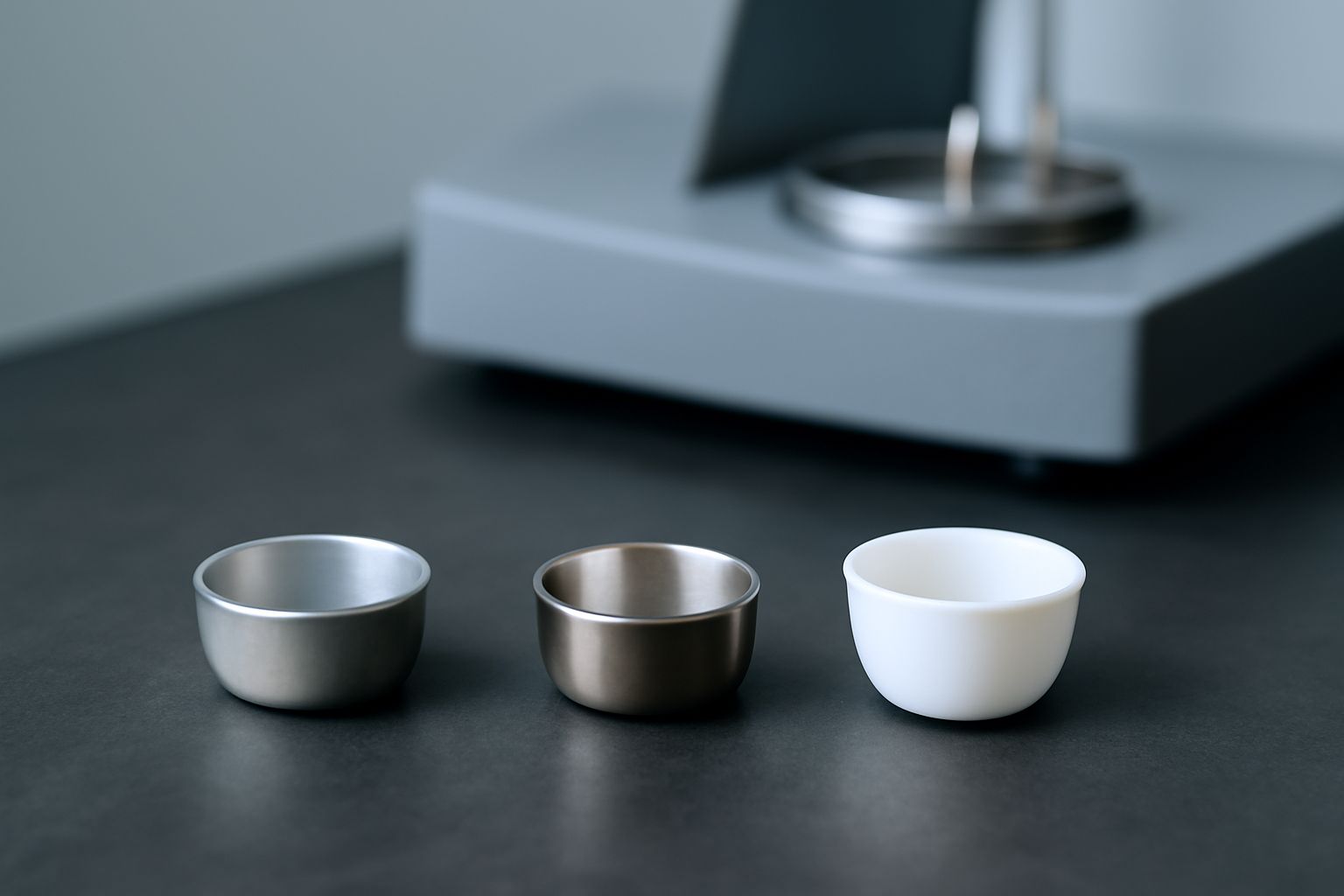
A suitable material for DSC crucibles offers high thermal conductivity, chemical resistance, purity, and stability under testing temperatures. These material properties ensure accurate differential scanning calorimetry results and protect the sample and instrument during analysis.
The best material for your DSC crucibles depends on your sample’s chemical properties, the required temperature range, and instrument compatibility. High-purity aluminum crucibles are ideal for most thermal analysis, while platinum or custom-coated crucibles work best for reactive or high-temperature samples.
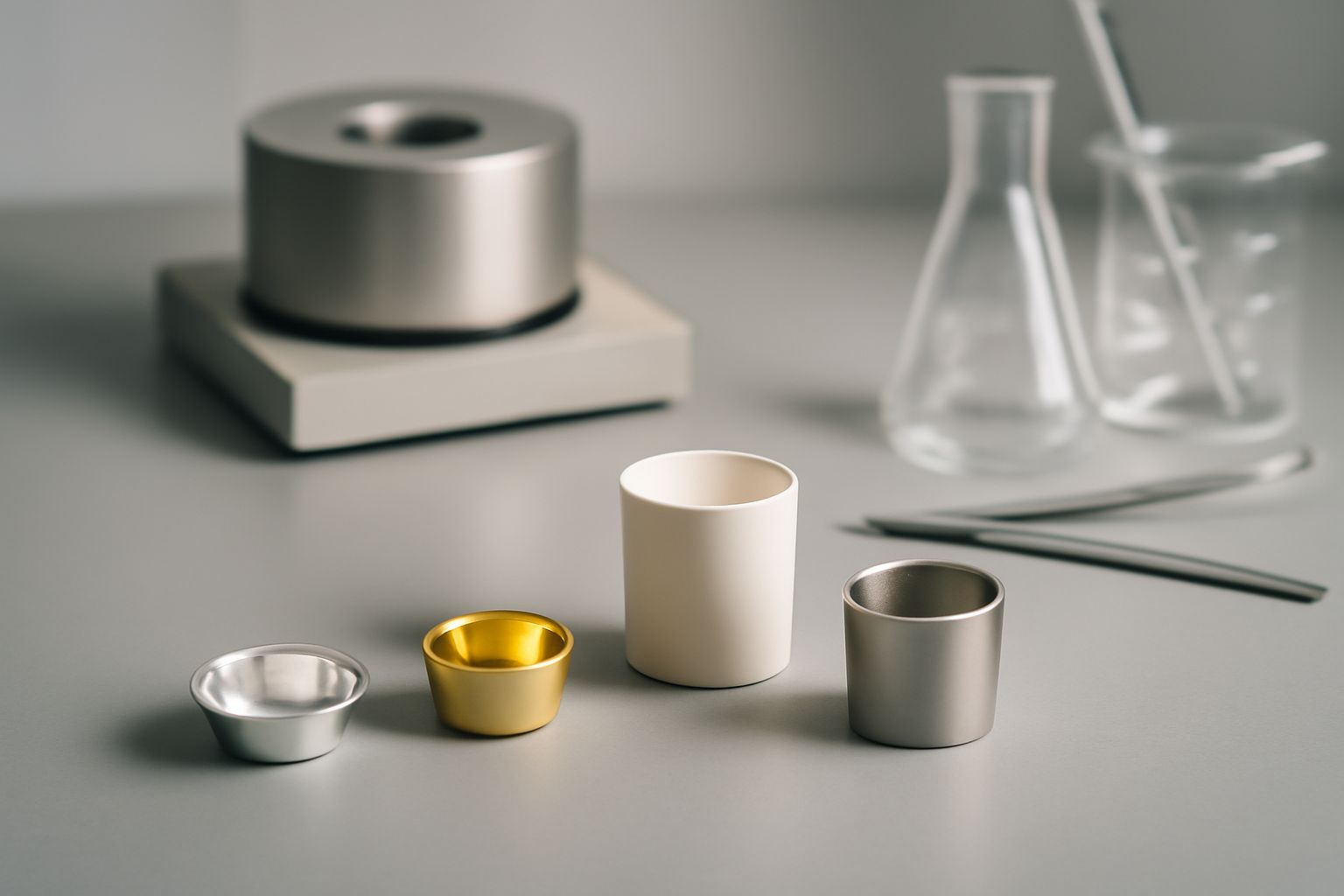
The most common DSC crucible materials are aluminum, platinum, and alumina. These materials provide optimal heat resistance and chemical inertness, ensuring highly accurate and reliable thermal analysis in industrial applications.
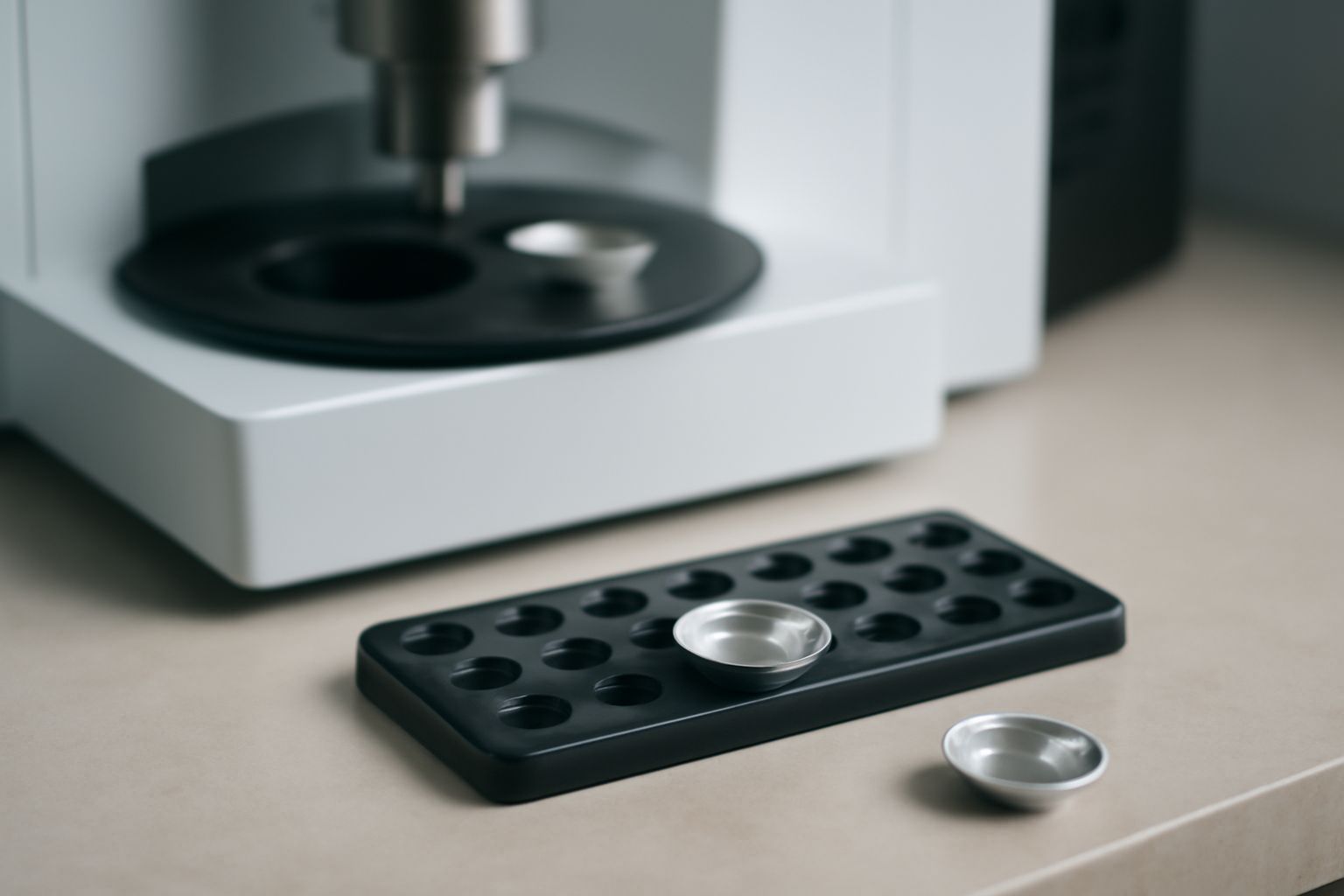
For polymer beginners, the right DSC sample pan is essential to clear and accurate thermal analysis. Choose a pure aluminum pan matched to your DSC model to ensure correct polymer transition results from the start.
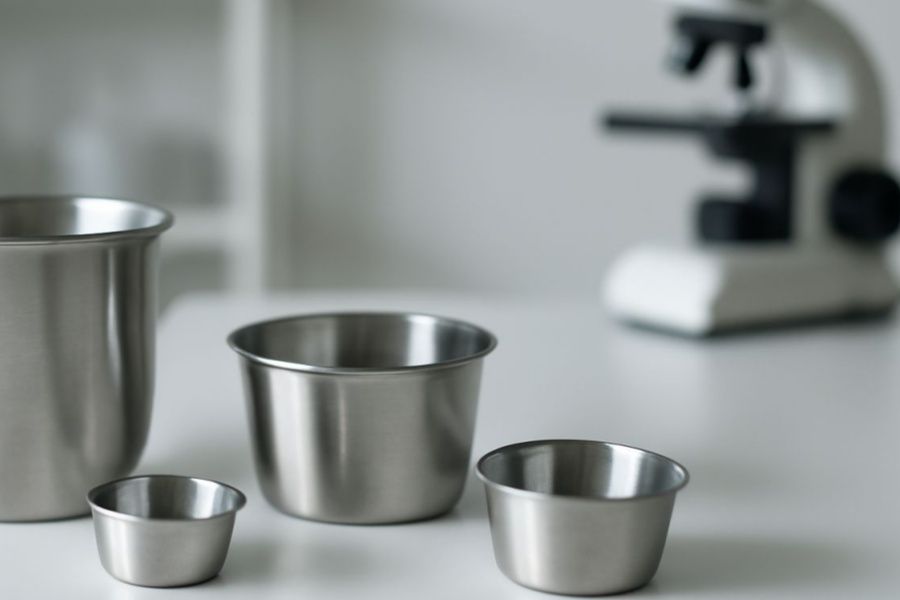
Recent global innovations in DSC sample pans for polymer analysis include the adoption of eco-friendly materials, enhanced supply chain transparency, cultural shifts in laboratory practices, and strict adherence to international quality and environmental standards.
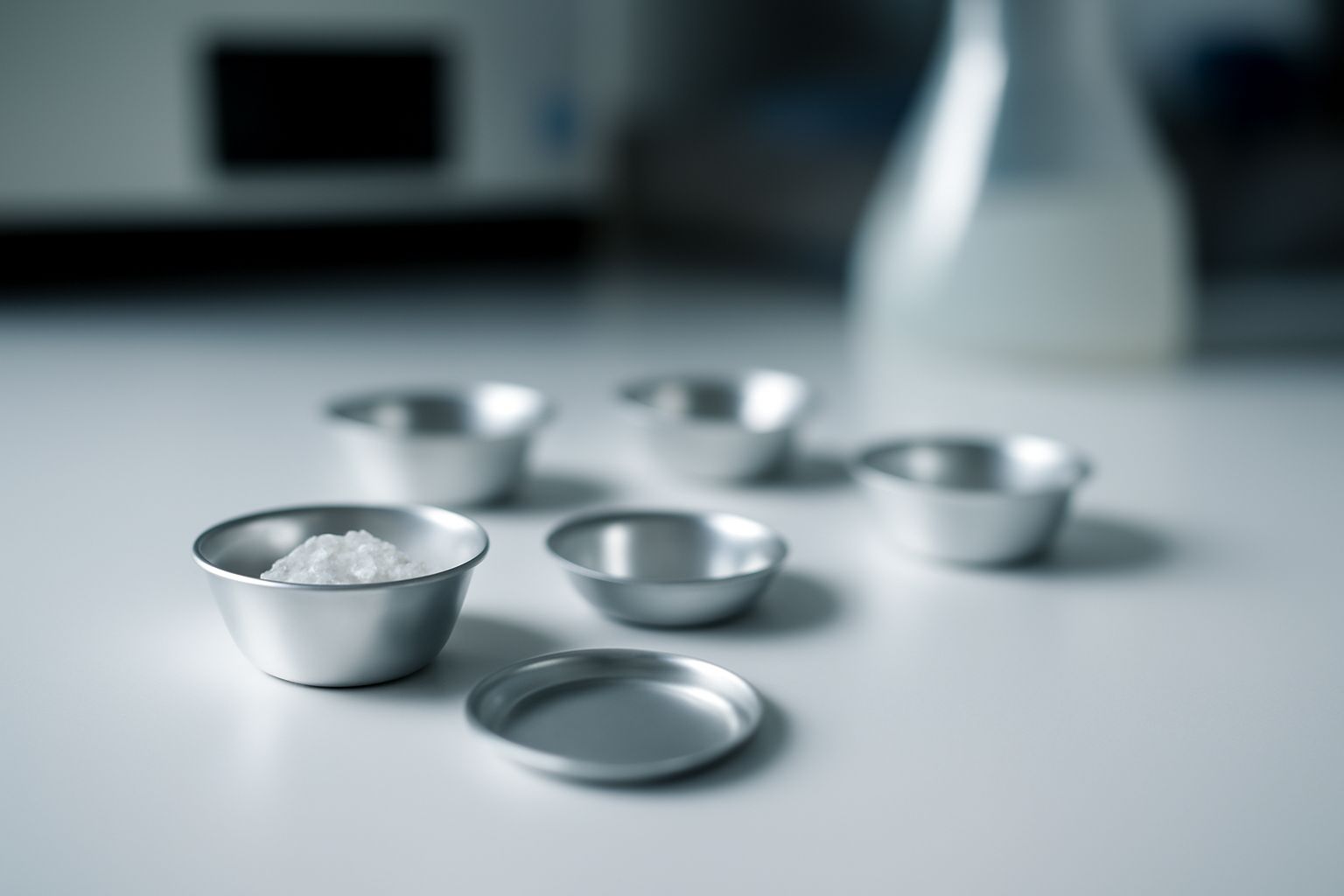
To choose sample pans for advanced polymer DSC studies, select customized pans or those calibrated to your DSC instrument, thermal range, and sample properties. These pans deliver precise transition data and improve analysis accuracy for complex polymer research.
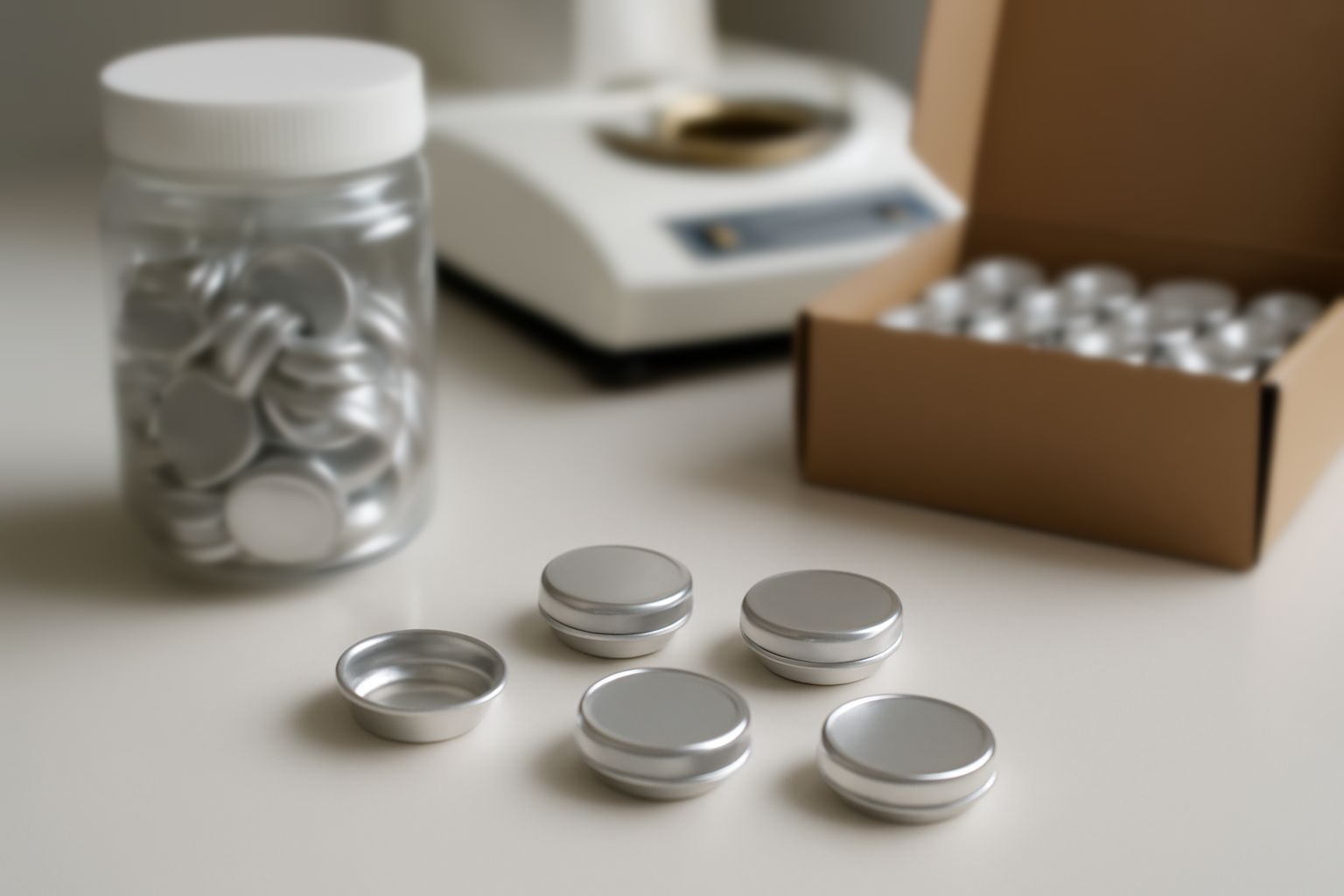
The most cost-effective DSC sample pans for high-precision polymer analysis are supplied by trusted manufacturers offering certified, compatible products. Buying in bulk reduces costs while preserving data accuracy and minimizing equipment downtime in the laboratory.
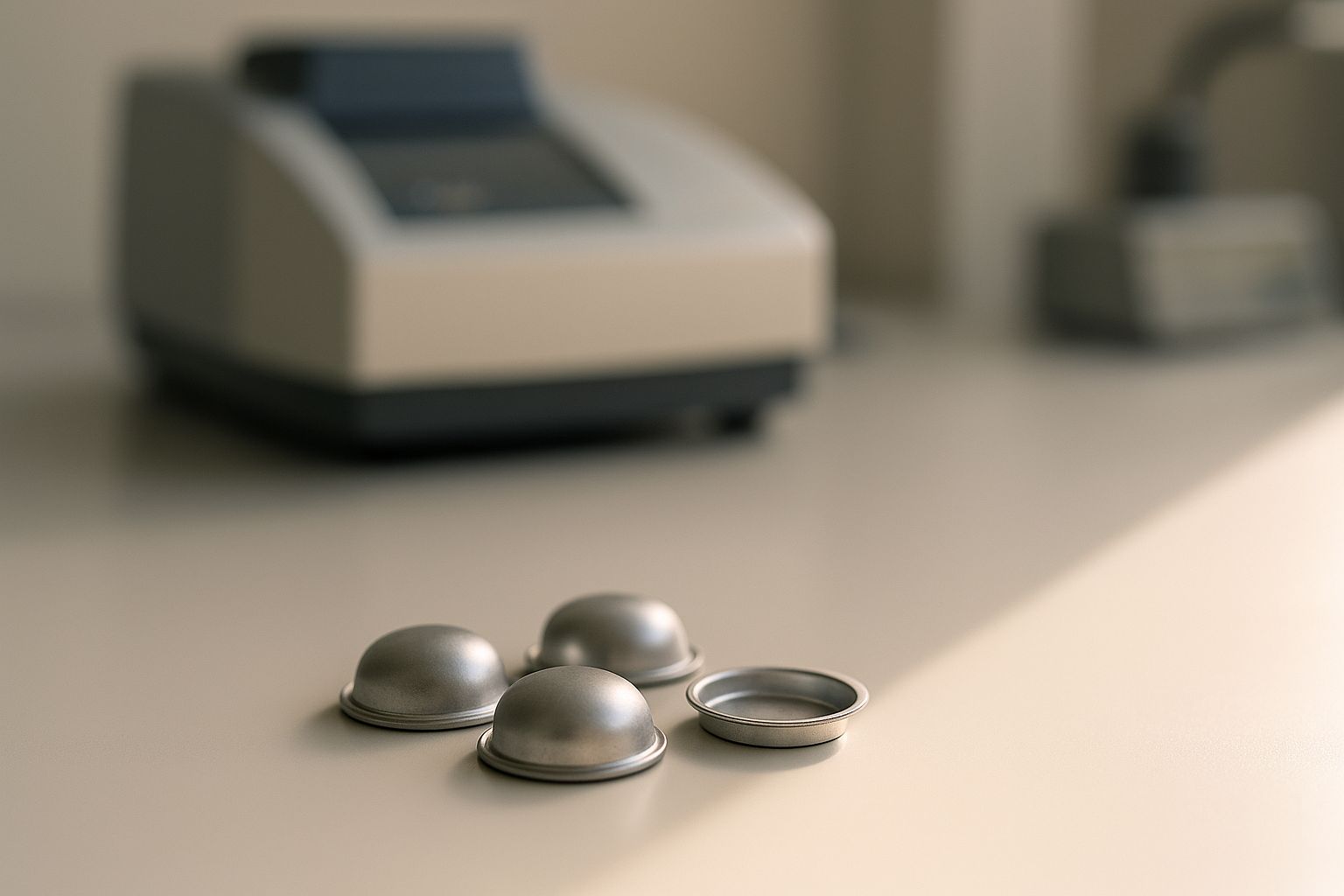
The best way to solve common DSC polymer analysis issues is to use compatible sample pans with proper material, fit, and sealing. These pans ensure uniform heating, reduce test errors, and improve polymer analysis accuracy.


C082.Wangdefu International Building, Furong, Changsha, Hunan, China


+86-19907415020