



SHOPPING CART
Your cart is empty.
shop now
Your cart is empty.
shop now
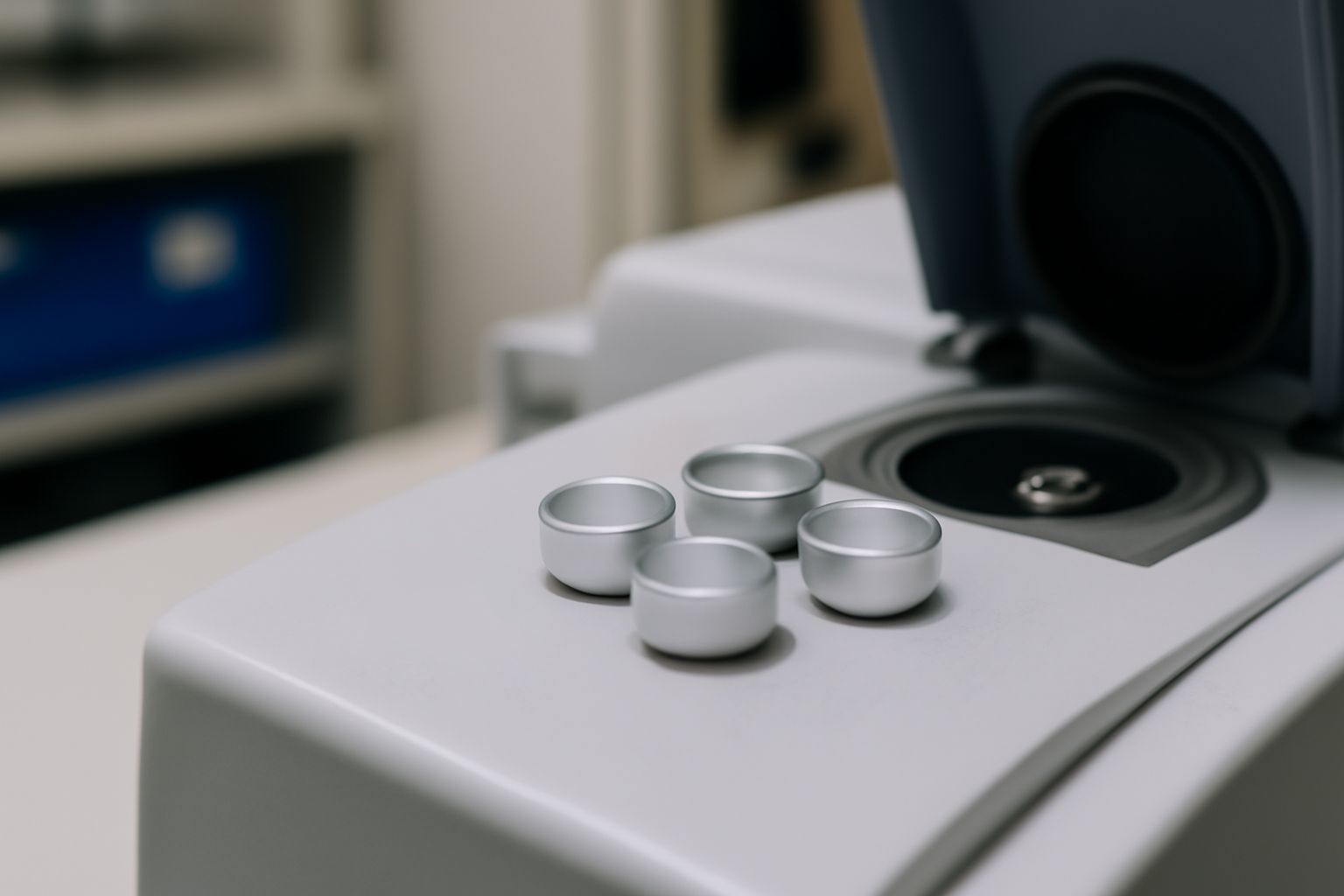
Common problems with DSC crucibles include inconsistent results due to poor sealing, misplacement, defective manufacturing, or unsuitable materials. Affordable crucibles from trusted suppliers, with good quality control, can reduce these issues while keeping costs low for thermal analysis labs.
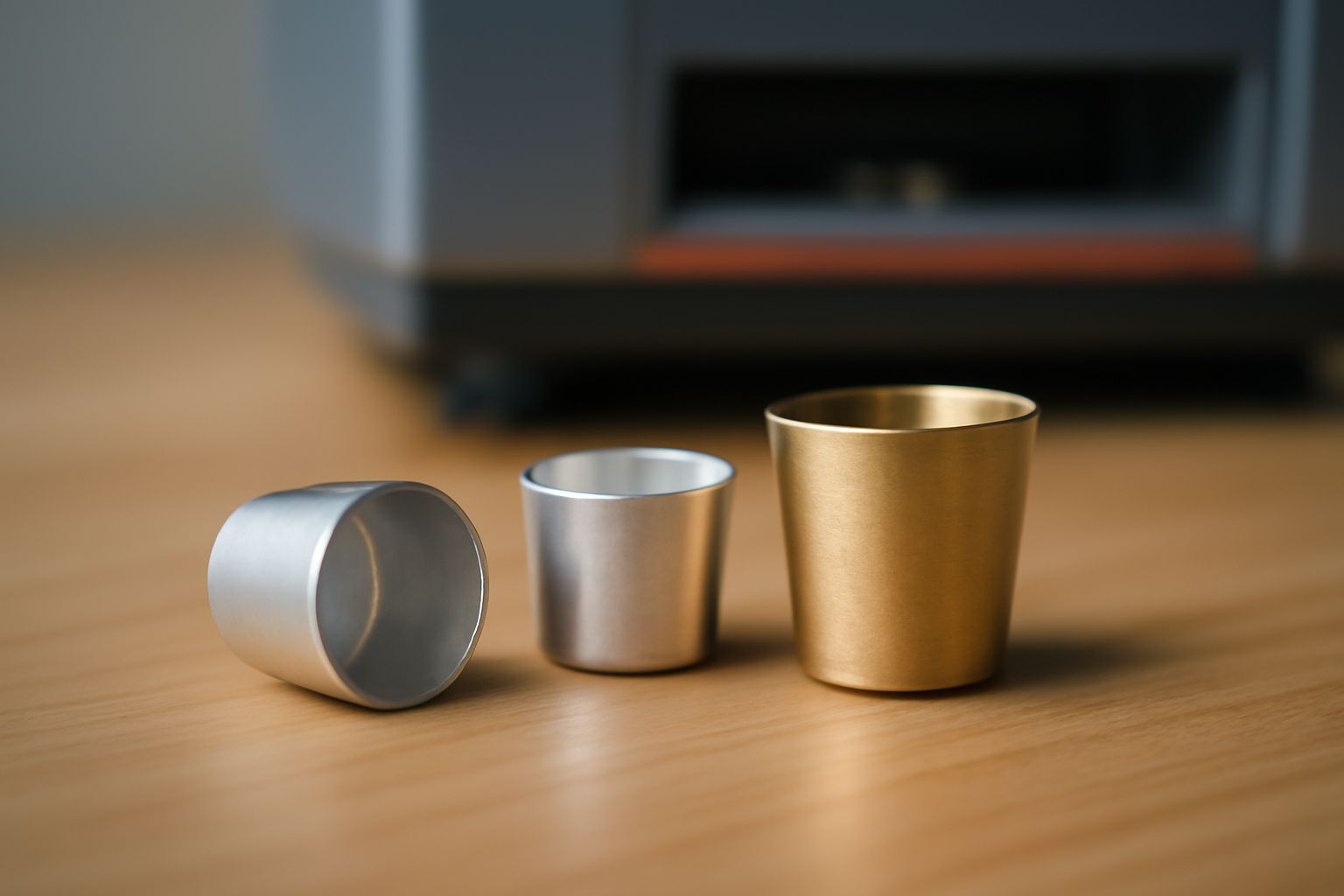
Budget-friendly DSC crucibles are typically made from high-purity aluminum, aluminum alloy, or ceramic. Key technical specifications include suitable temperature tolerance, dimensions that fit your equipment, and sufficient thermal conductivity for accurate and reliable sample testing.
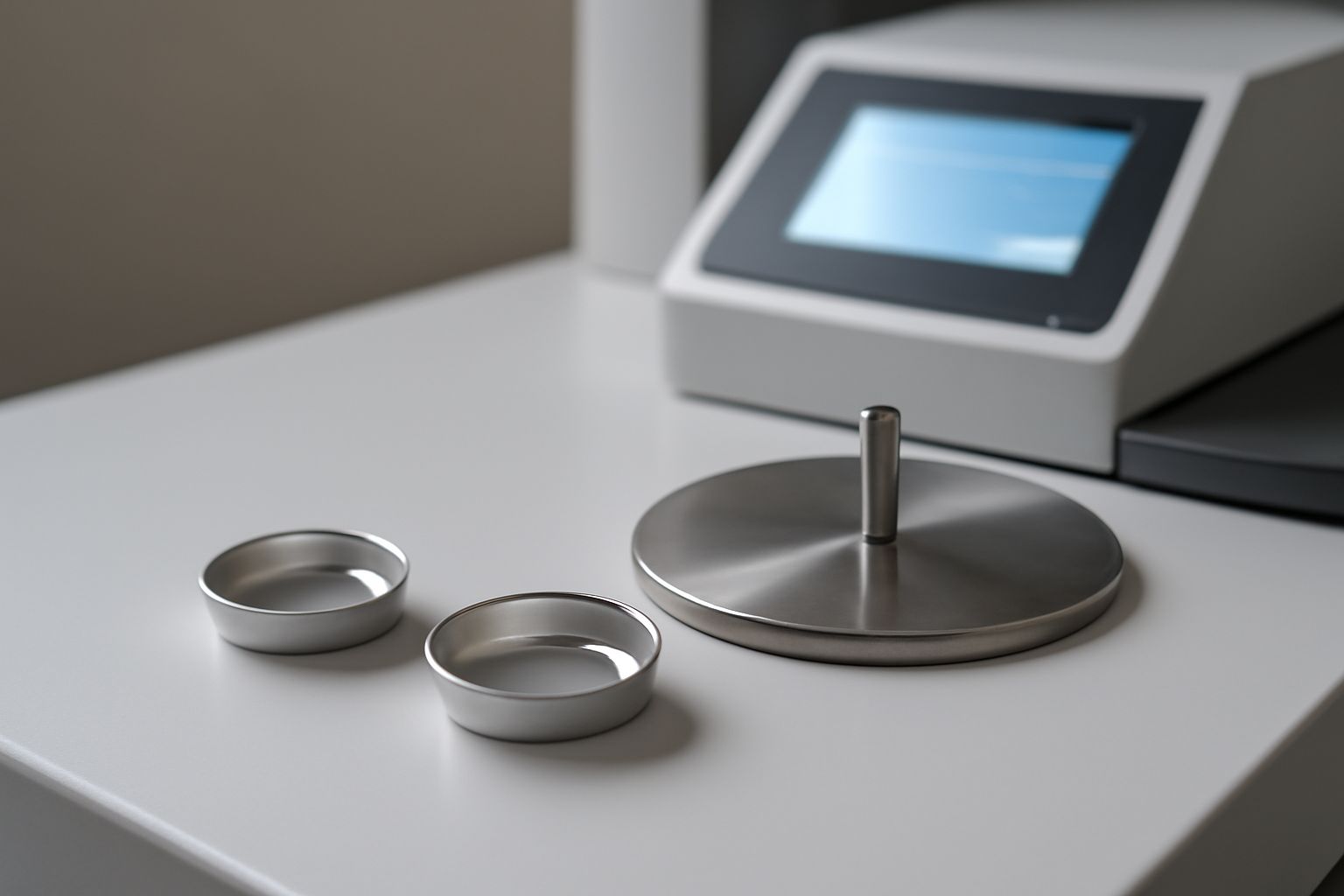
Market trends for DSC pans in scientific research include rising demand for precision, adoption of eco-friendly materials, advances in design like automatic sealing and improved alloys, and global growth driven by technology upgrades. Staying informed helps labs make better purchasing and research decisions.
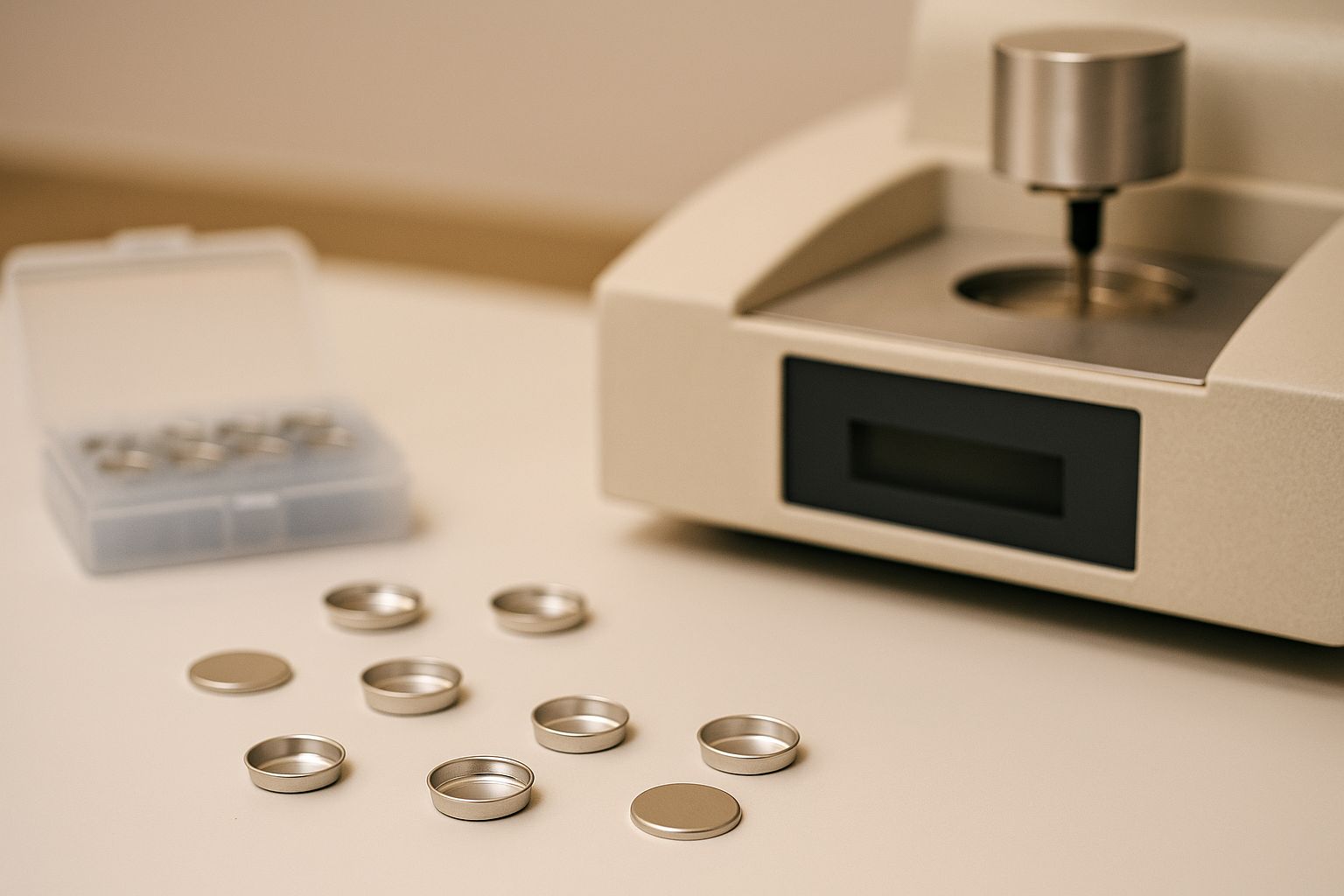
When finding the right DSC pans for your science projects, check compatibility with your equipment, review specifications like material and size, and buy from reliable suppliers. This ensures accurate thermal analysis and dependable, repeatable results in research and laboratory applications.
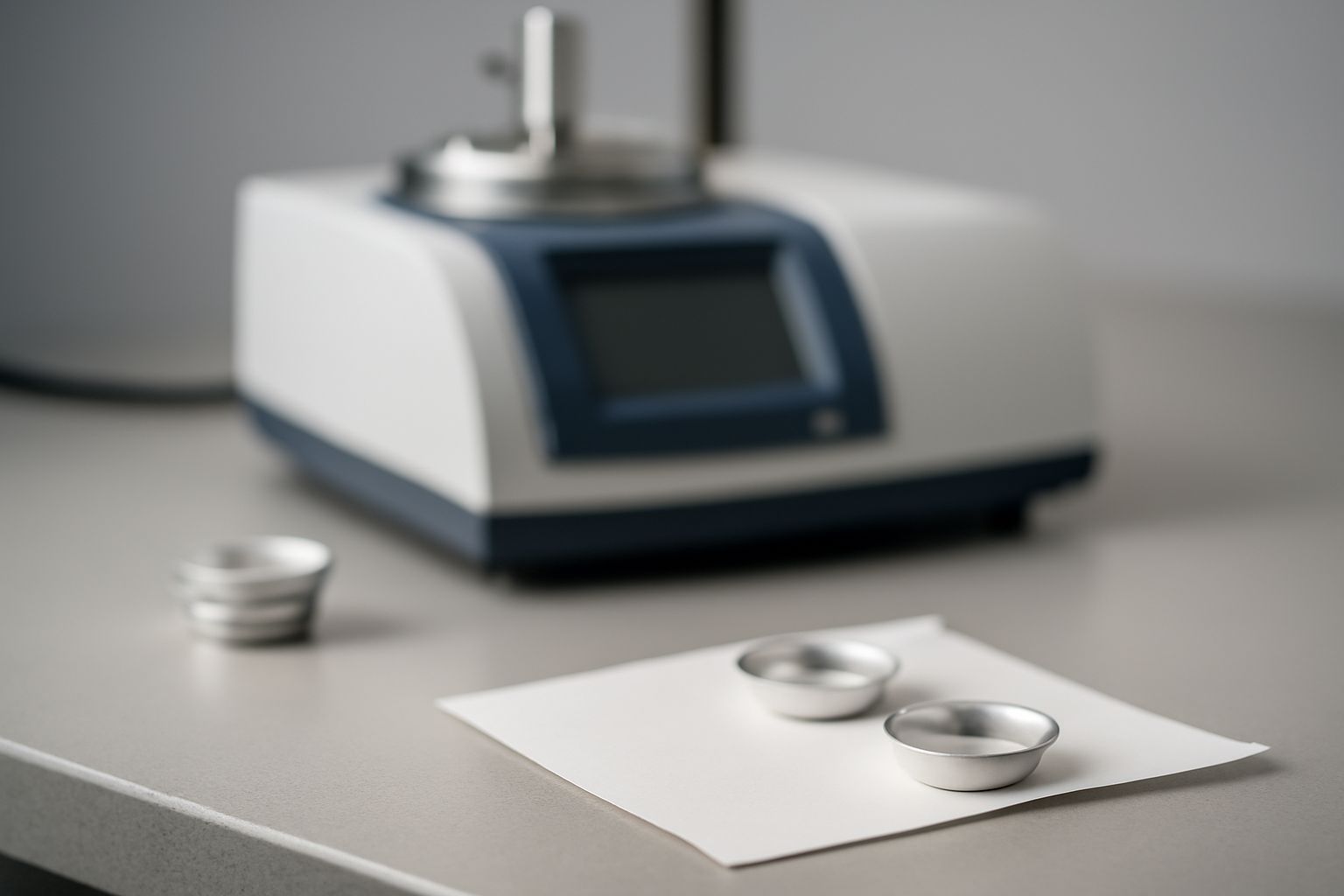
Aluminum pans are essential in student-level Differential Scanning Calorimetry (DSC) because they provide consistent thermal conductivity, affordability, and compatibility with common DSC instruments. These properties make aluminum pans reliable consumables for accurate sample analysis and repeated practical training in academic laboratory environments.
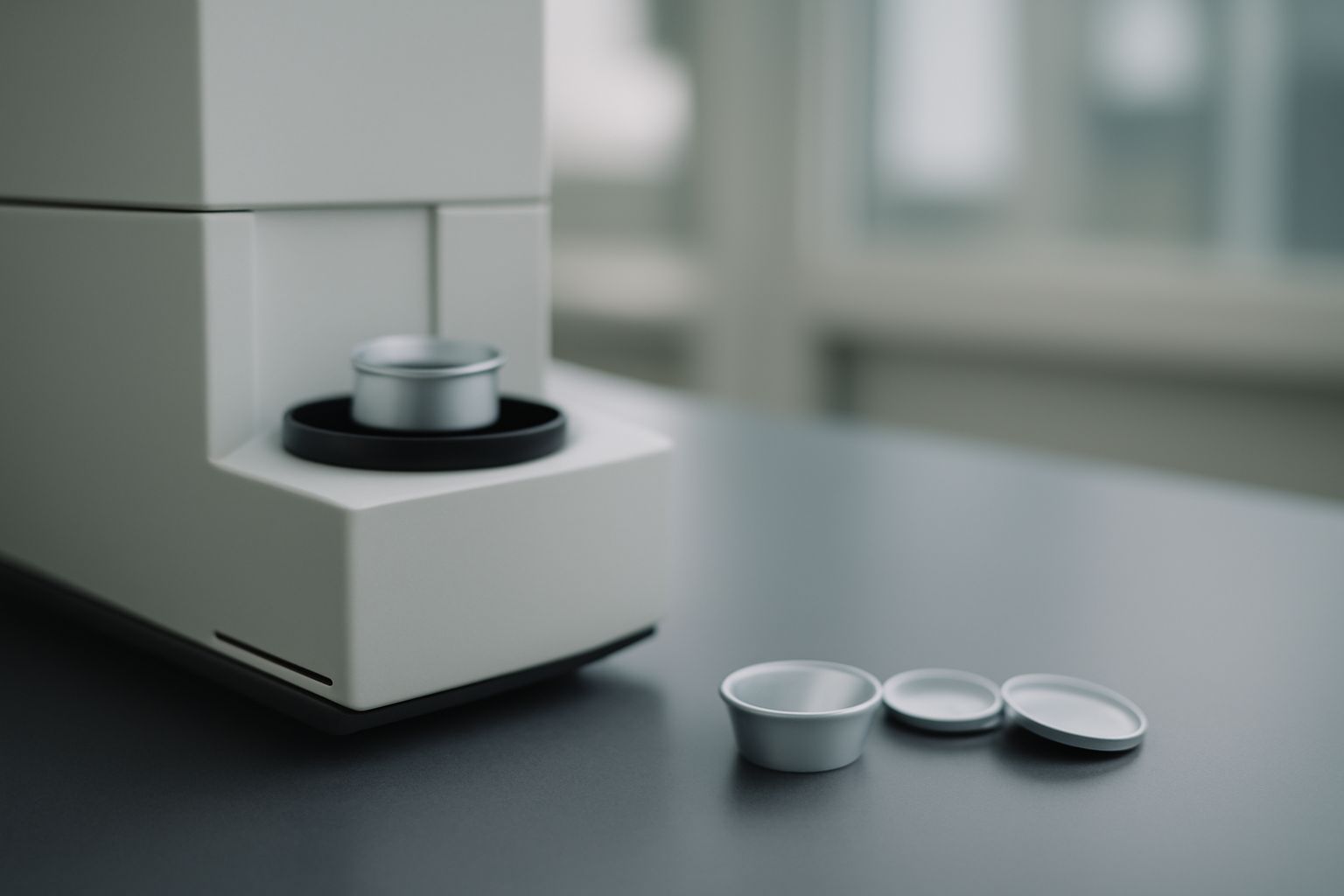
Students can adapt aluminum pans in DSC analysis by selecting pans compatible with their instrument, accurately weighing samples, and sealing pans tightly to prevent contamination or loss. Aluminum pans are key consumables in Differential Scanning Calorimetry, supporting precise thermal measurements and reliable, repeatable results in both academic and industrial research.
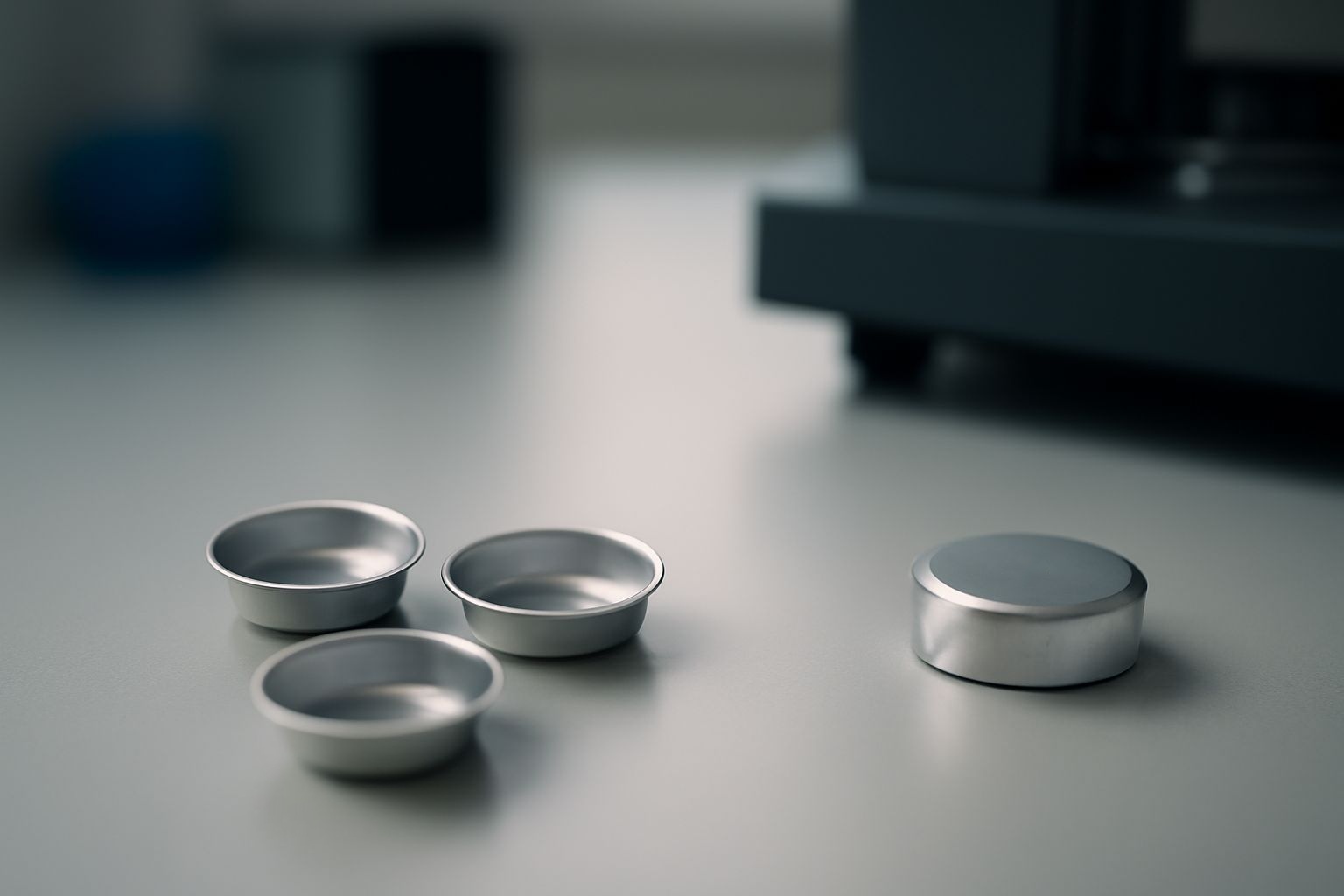
Technical specifications for small pack DSC sample pans include standard sizes (diameter and depth), material (high-purity aluminum, platinum), and temperature range (-150°C to 1600°C). Proper selection of these thermal analysis consumables ensures reliable results, prevents data errors, and supports the needs of differential scanning calorimetry experiments.

High-quality DSC crucibles provide better test accuracy, longer service life, and reduce failures compared to cheaper pans. Although the initial price is higher, these premium crucibles lower the overall cost per analysis by minimizing equipment downtime and repeat testing. Laboratories that invest in durable DSC sample pans benefit from more consistent results, reduced troubleshooting, and improved productivity.


C082.Wangdefu International Building, Furong, Changsha, Hunan, China


+86-19907415020