



SHOPPING CART
Your cart is empty.
shop now
Your cart is empty.
shop now
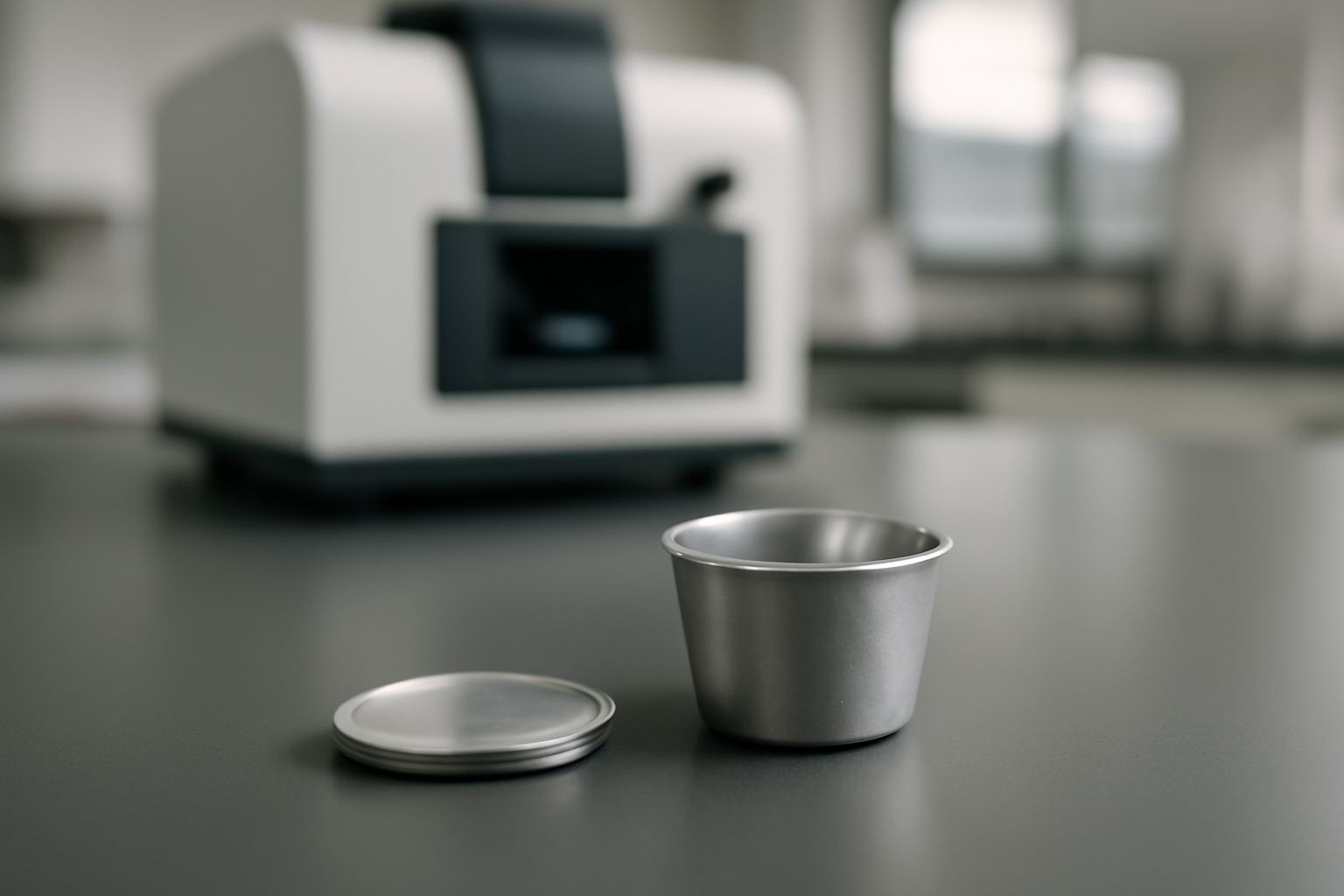
To choose the right DSC crucible for your lab needs, assess factors like instrument compatibility, sample type, temperature range, and supplier reliability. Selecting a high-quality DSC crucible that matches your material, testing method, and budget ensures accurate thermal analysis and supports laboratory efficiency.

Recent market trends for DSC pans compatible with XYZ Instrument show growing demand for certified consumables, innovation in manufacturing (like hybrid composites and digital tracking), distinct regional preferences, and a forecast for smarter, sustainable, and traceable products in laboratories.
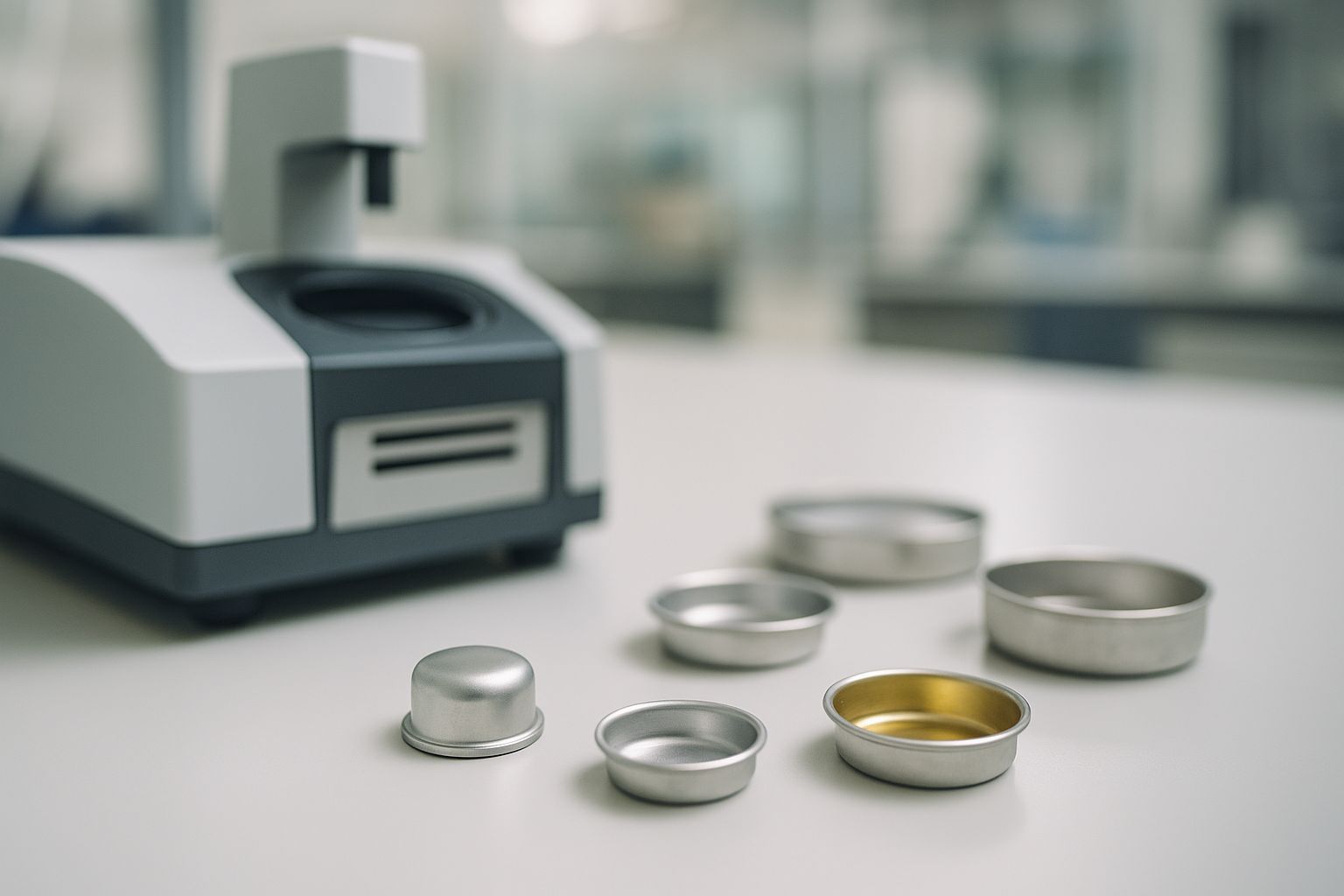
The right DSC pans for specific research scenarios with XYZ Instrument depend on your sample and analysis needs: use high-temperature pans for extreme heat, sealed pans for volatiles, and high-purity or inert pans for demanding pharmaceutical or environmental testing.

Technical specifications for DSC pans compatible with XYZ Instrument include size, material purity, wall thickness, heat resistance, and sealing type. Selecting pans matching these parameters ensures reliable thermal analysis data and protects instrument performance.

Using compatible DSC pans with XYZ Instrument enhances material science research by ensuring precise heat flow measurements and accurate characterization of thermal properties. Selecting the right pans supports repeatable, high-quality results and drives better experimental outcomes in advanced material analysis.
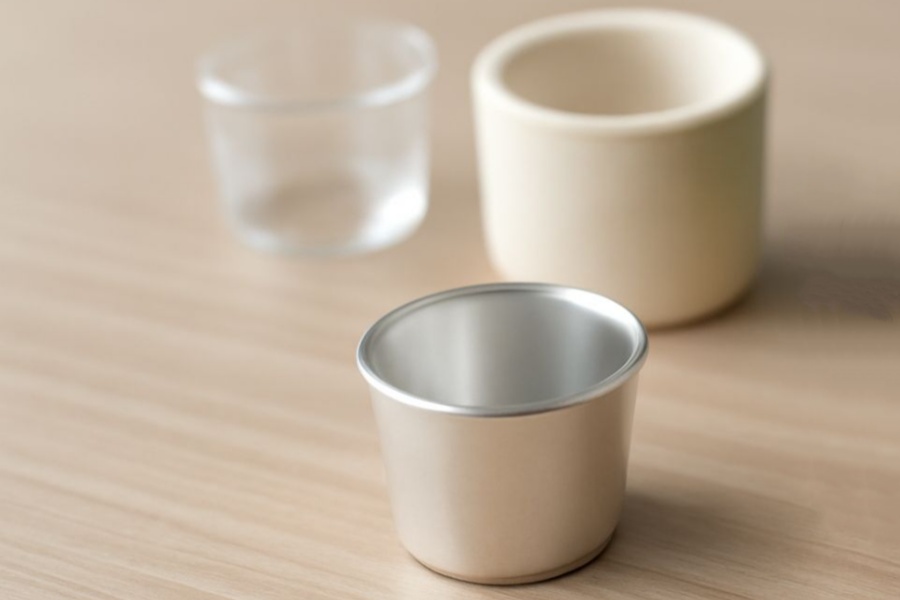
The main market trends in DSC sample pans for polymer applications include rising demand for high-purity materials, customized designs, and technological innovations that improve accuracy and compatibility with advanced materials science research.

Investing in high-quality DSC crucibles is cost-effective because it reduces experimental errors, lowers the risk of instrument damage, and minimizes sample loss, resulting in long-term savings and more reliable thermal analysis results.
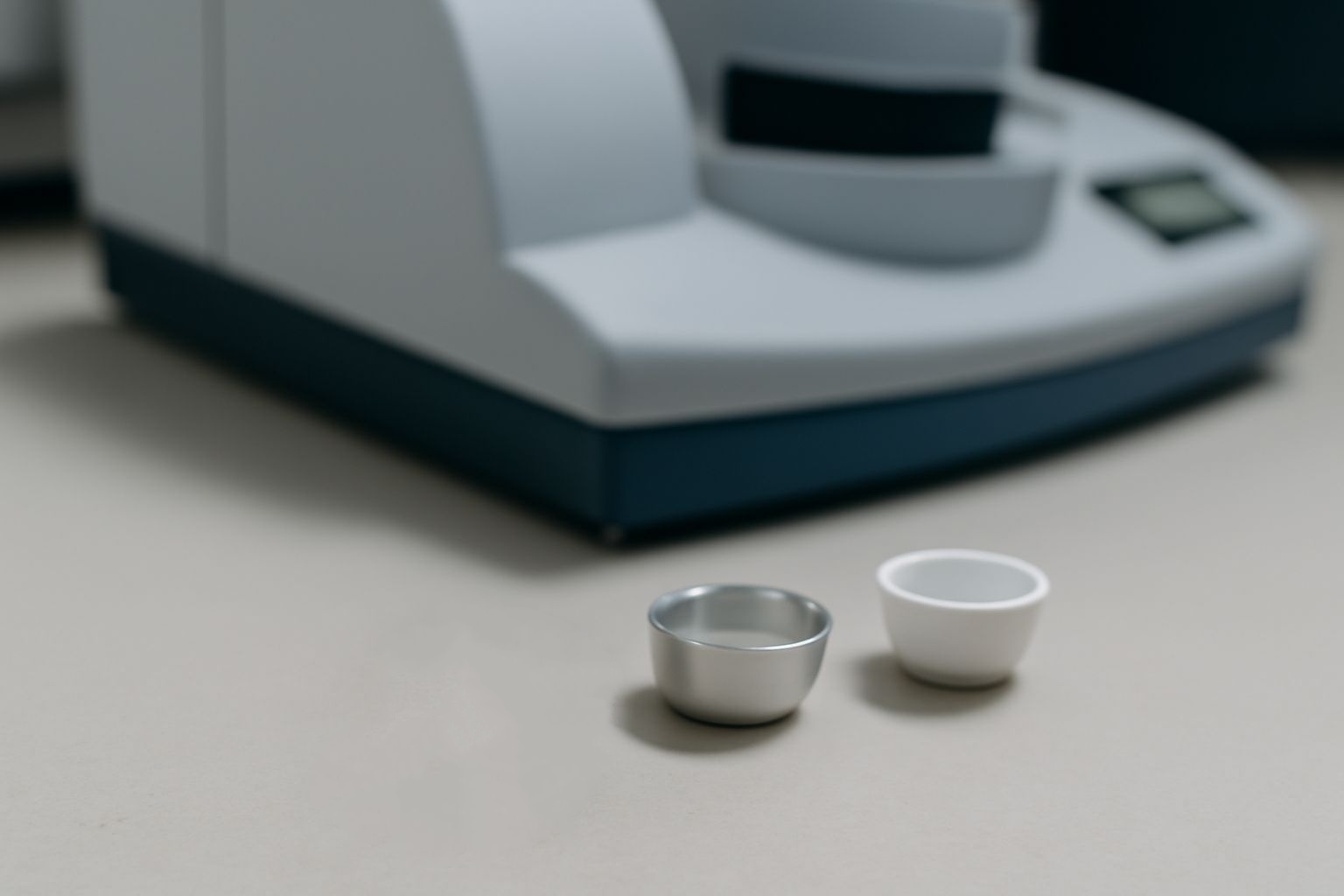
Incorrect DSC crucible material selection can cause sample contamination, false thermal signals, unpredictable baselines, and instrument damage. Choosing a compatible and pure crucible material prevents these issues and ensures reliable thermal analysis results.


C082.Wangdefu International Building, Furong, Changsha, Hunan, China


+86-19907415020