



SHOPPING CART
Your cart is empty.
shop now
Your cart is empty.
shop now
Many laboratories struggle to match the right DSC crucible to specific testing needs, leading to wasted time and budget. I have seen these problems make accurate results harder to achieve.
The right DSC crucible depends on sample chemistry, intended temperature, and equipment compatibility. Labs can save resources by choosing well-matched or alternative suppliers without sacrificing performance.
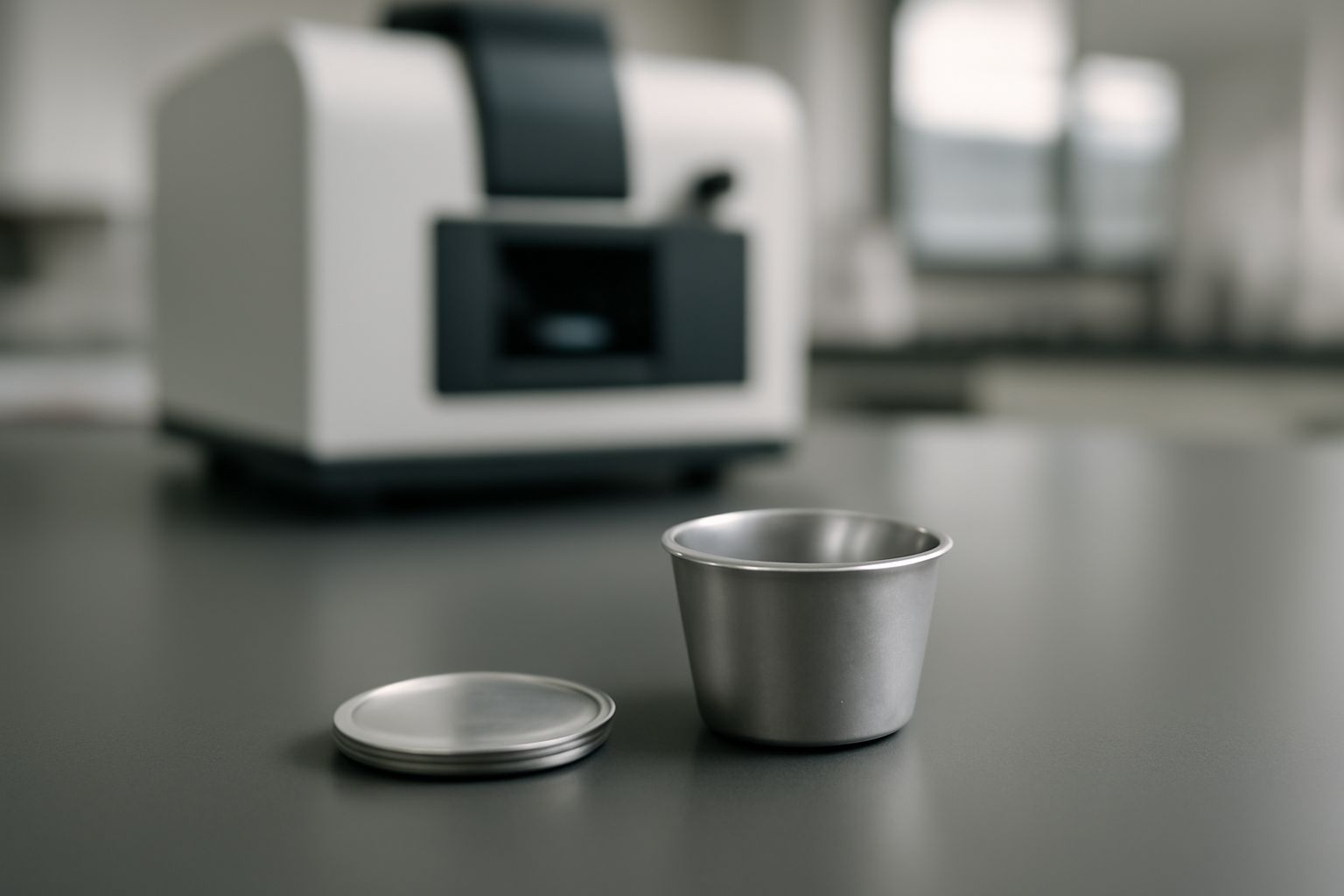
The selection process for DSC crucibles goes beyond price tags. I always look at chemical compatibility, size, and matching the instrument brand. Making a thoughtful choice leads to better accuracy and fewer supply headaches.
Labs often overlook simple but important factors when buying DSC crucibles. Over time, mismatched parts can cause test failures and slowed workflows in regulated environments.
Labs should check compatibility with the instrument, capacity, sealing style, temperature range, and vendor reliability. Good planning creates smoother testing and fewer interruptions.
For me, each time I order DSC crucibles, I run through this checklist below. It makes sure I pick the right product for efficient results. Each step addresses a crucial aspect of thermal analysis. In particular, I find consulting equipment manuals or supplier comparison tables helpful for verifying size and fit (calorimeter references are especially valuable).
| Consideration | Why It Matters | Typical Options | What To Check |
|---|---|---|---|
| Instrument Compatibility | Ensures fit and data accuracy | Brand/model matching | Reference device type |
| Pan Capacity | Fits sample mass | 20-50μL, or custom size | Evaluate sample volume |
| Material Robustness | Impact on heat flow and purity | Aluminum, ceramic, platinum | Match to sample chemistry |
| Sealing Mechanism | Prevents leaks or evaporation | Press-on, crimped, open | Compare to sample volatility |
| Temperature Range | Prevents melting or distortion | Up to 600°C (aluminum), higher for others | Test target temperature |
| Quality Standards | Reduces bad results | ISO 9000, ASTM | Vendor certifications |
Material selection can create success or failure in DSC testing. Incompatible materials distort results or trigger chemical reactions that weaken reliability.
Choosing the right crucible material requires matching it to the thermal and chemical properties of samples. Some materials offer better purity and thermal stability, while others provide cost savings. In my experience, using high-purity aluminum pans is best for general organic samples, while platinum is reserved for corrosive or extremely high-temperature analysis. Please refer to this concise table that covers material profiles, real-world uses, and selection tips. When in doubt, laboratory guides or differential scanning calorimetry handbooks help clarify the right match.
| Material | Temperature Limit (°C) | Chemical Stability | Best For | Drawbacks |
|---|---|---|---|---|
| Aluminum | 600 | Low reactivity, high purity | Polymers, pharmaceuticals | Not for strong acids/bases |
| Ceramic | 1200 | Stable, non-reactive | Oxidative/metallic samples | Fragile, expensive |
| Platinum | 1600 | Excellent, unreactive | Corrosive, high-temp tests | Very high cost |
| Graphite | Up to 2000 | Good, but oxidizes in air | Special inert atmosphere | Needs controlled conditions |
Standard crucibles may not address every sample or testing setup. Customization gives labs the power to match unique test requirements and gain accurate results more reliably.
I like to use custom DSC crucibles when working with odd-sized samples, volatile blends, or demanding sealing needs. Suppliers now easily tailor diameter, lid architecture, and compatible materials on request. Customization helps meet the requirements of freshly developed tests, especially in research and advanced industry environments. The next table shows benefits, possible options, and advice for custom design. Leading labs may also improve lab efficiency with laboratory informatics to track custom crucible usage.
| Benefit | Customization Option | Outcome | Lab Tip |
|---|---|---|---|
| Perfect Fit | Change size/shape | Maximum accuracy | Match to sample holder |
| Better Sealing | Add or adjust lids/seals | Improved containment | Seal for volatile samples |
| Material Changes | Alternative alloys/metals | Handles unique chemicals | Request samples from vendors |
| Efficient Batch Processing | Multipack design | Streamline operations | Consult with engineering teams |
| Performance Tracking | Barcoding, RFID | Easy management | Connect with LIMS |
Cost savings matter, but quality cannot be ignored. Choosing a low-price but non-standard crucible may ruin whole batches and inflate long-term spending.
I always compare trusted brands, check for certifications, and review independent feedback. Quality often depends on details—tight tolerances, clean finishes, secure packaging, and service follow-up. Many labs now use alternative sources to save money without compromising on quality. The following overview helps identify safe cost-control measures while ensuring consistent results. Market surveys and quality assurance reviews offer the latest data for reference.
| Factor | Cost-Effective Option | Quality Marker | Buying Advice |
|---|---|---|---|
| Supplier | Direct from manufacturer | ISO, traceability, support | Verify credentials |
| Brand Matching | Compatible alternatives | True fit, user reviews | Order samples when possible |
| Batch Size | Smaller, test first | Low defect rate | Start with minimum order |
| Post-Sale Service | Technical support | Quick problem resolution | Check return policies |


C082.Wangdefu International Building, Furong, Changsha, Hunan, China


+86-19907415020