



SHOPPING CART
Your cart is empty.
shop now
Your cart is empty.
shop now
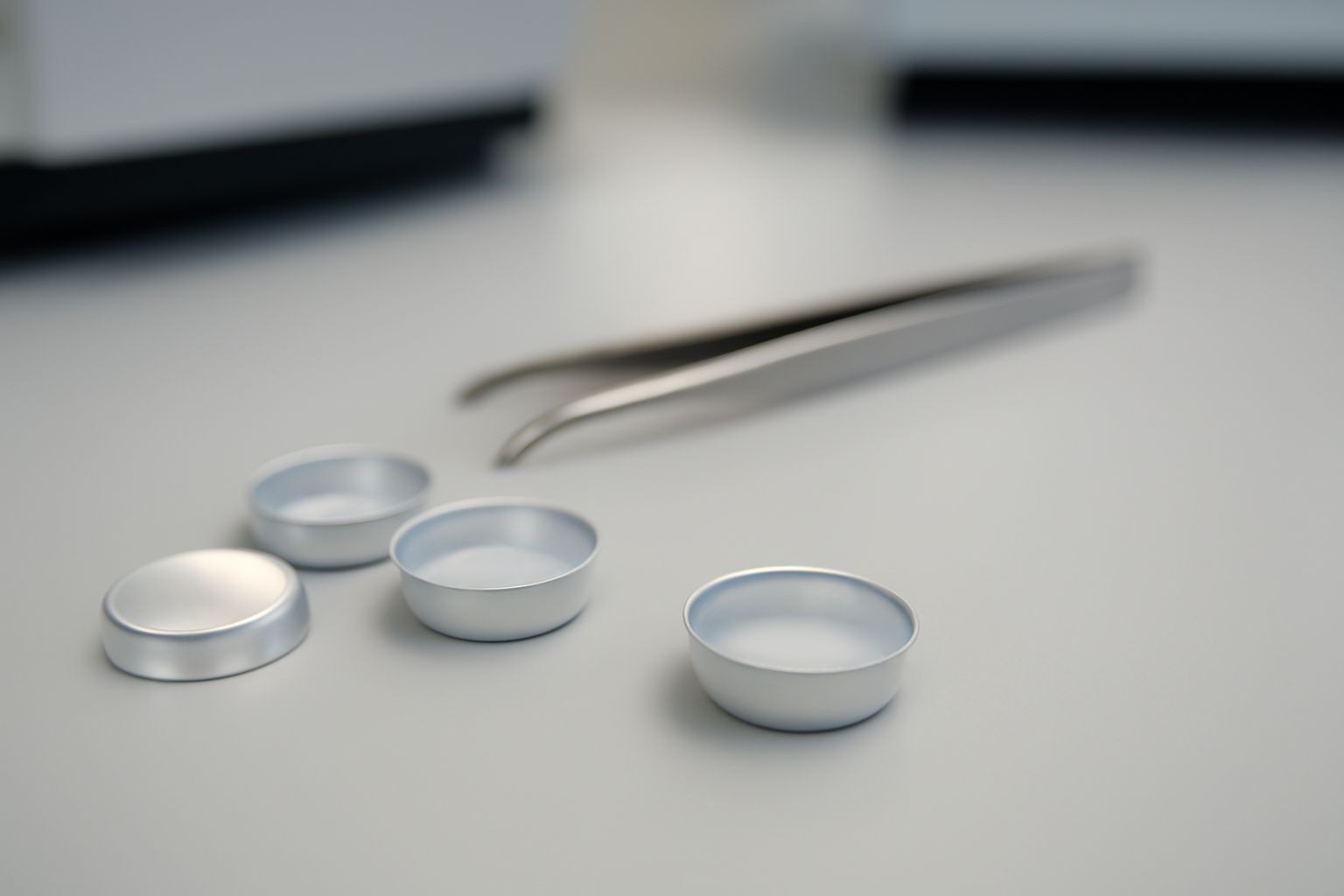
When small labs switch to new thermal analysis sample pans, baseline drift and inconsistent results can occur. To troubleshoot, compare known reference standards, ensure compatibility between the pans and equipment, and inspect the pans for material defects or improper sealing. It’s essential to conduct trial runs, visually inspect pans for defects, and consult the supplier for additional specifications. By taking these steps, labs can effectively solve issues and restore accurate thermal analysis results.
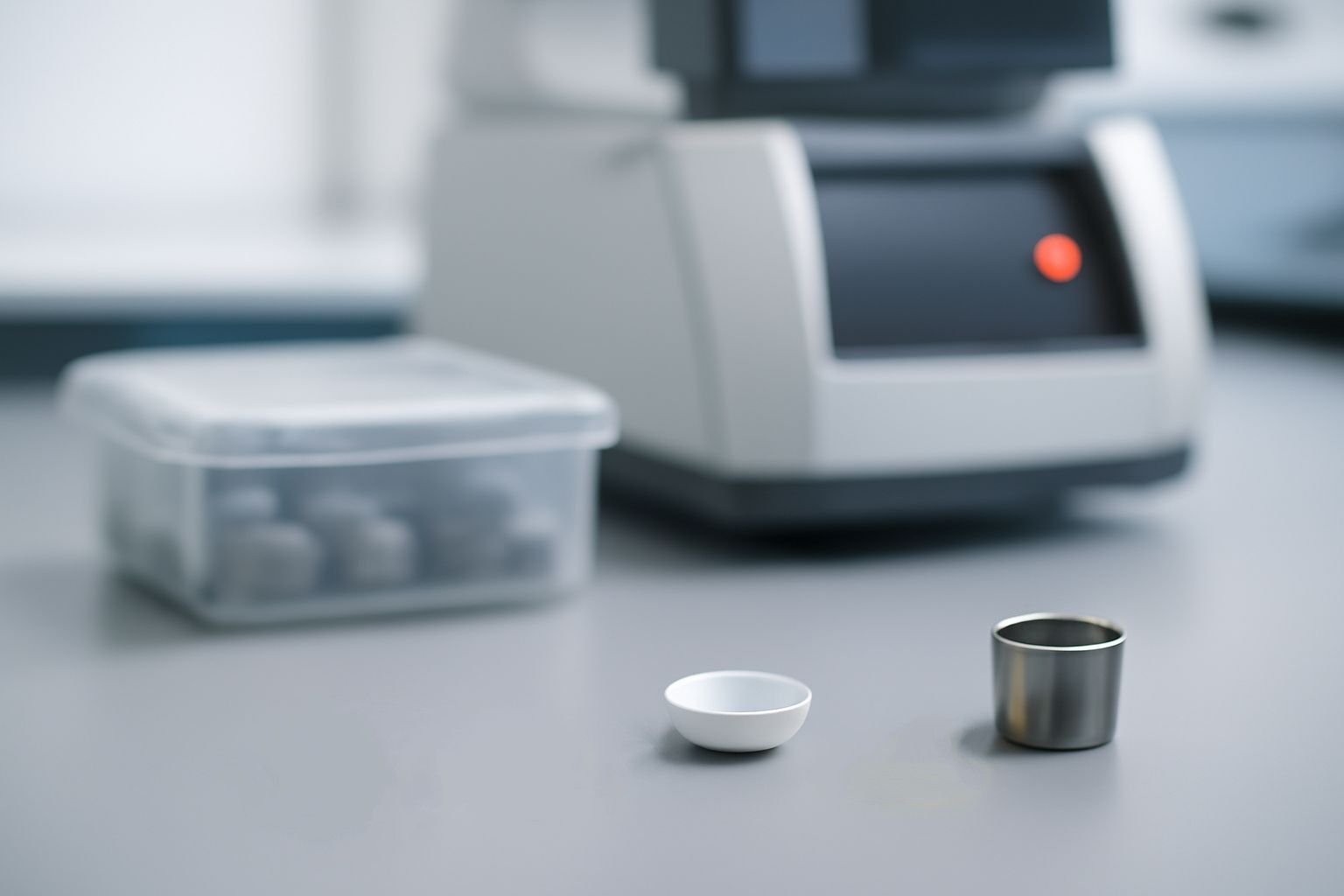
To select the right DSC accessories for polymer and pharmaceutical analysis in personal labs, it's crucial to choose the correct sample pans and lids. For polymers, aluminum or platinum pans are ideal for high temperatures and viscous melts, while pharmaceuticals require hermetic or crimped pans to prevent sample loss and degradation. Matching the right material and lid type helps maintain sample integrity, ensuring reliable results.
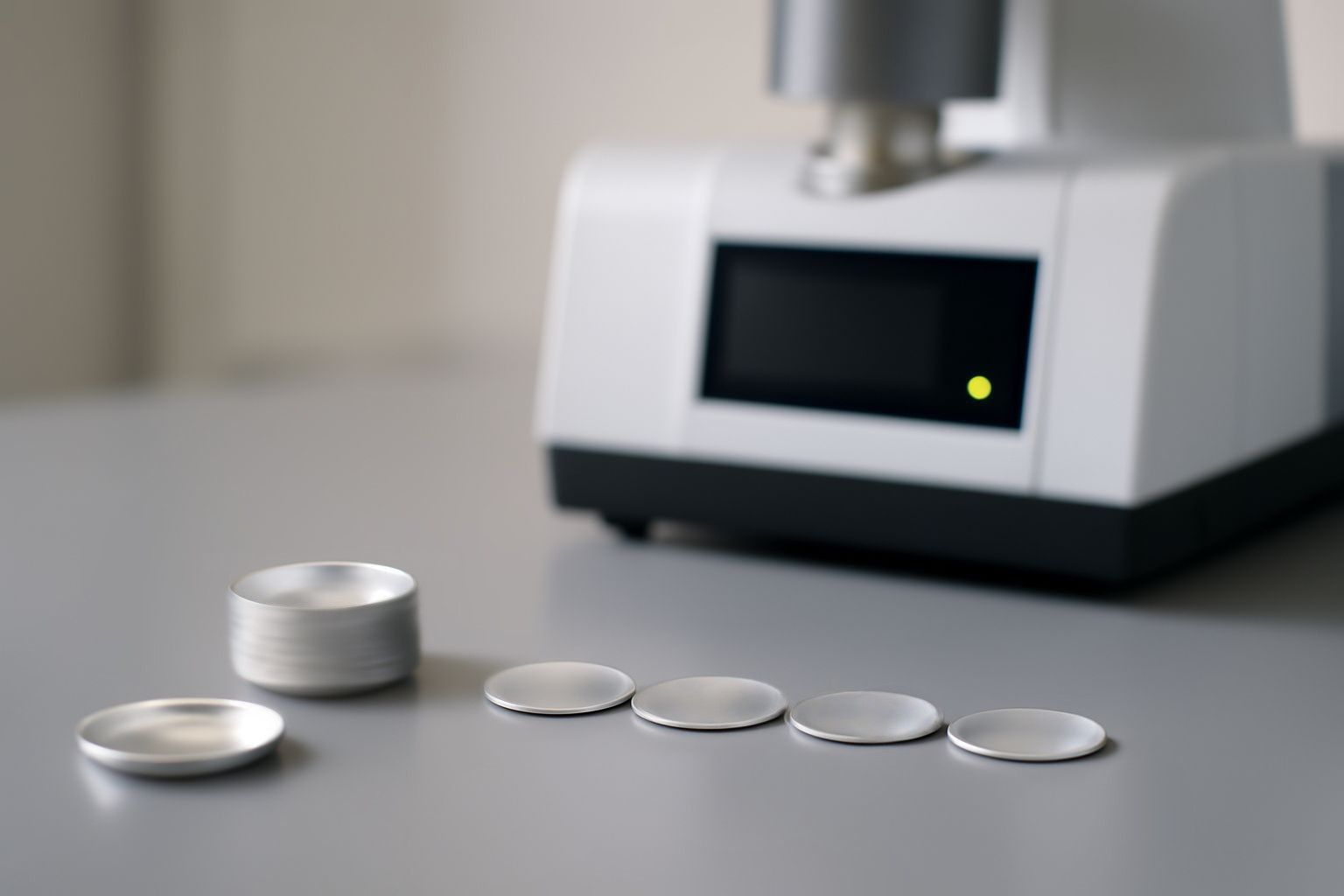
To lower the cost of personal lab DSC accessories without sacrificing quality, it’s important to consider certified third-party suppliers, compare vendors, and request sample packs for testing. Third-party DSC accessories, such as sample pans and lids, can meet the same high standards as original brands if selected carefully. Look for material purity certifications, size tolerances, and brand compatibility to ensure the best performance. By following these strategies, researchers can save money without compromising the accuracy or reliability of their thermal analysis tests.
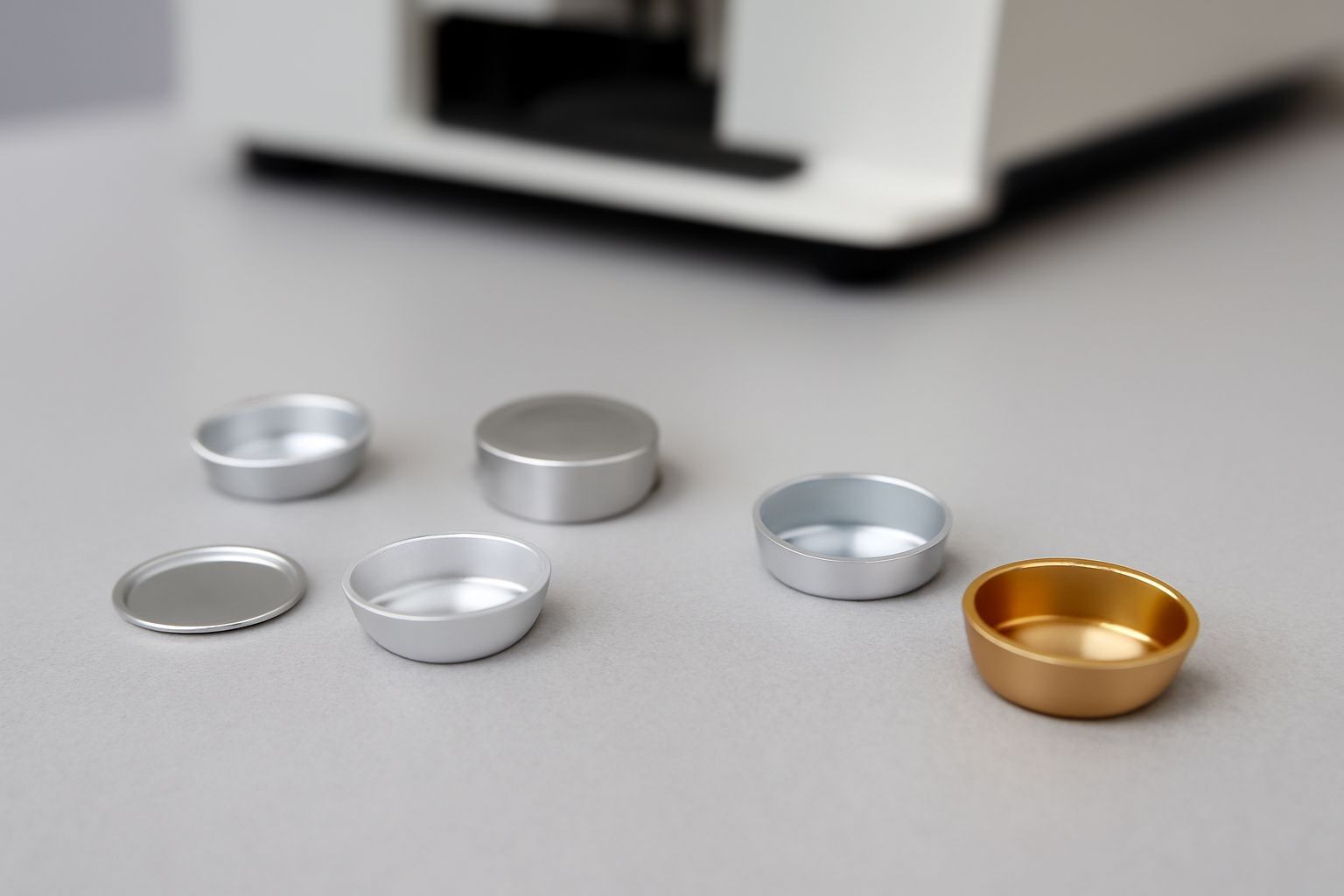
The right DSC sample pans are essential for addressing common challenges in pharmaceutical DSC testing. By selecting pans made from high-quality materials like aluminum, platinum, or gold-coated pans, labs can minimize issues such as baseline drift, contamination, and sample loss. Proper pans help maintain consistent heat transfer, improving the accuracy of thermal data and ensuring reliable results. These pans also prevent contamination by using smooth, electropolished surfaces and high-purity alloys, which are crucial for repeat tests and regulatory compliance.
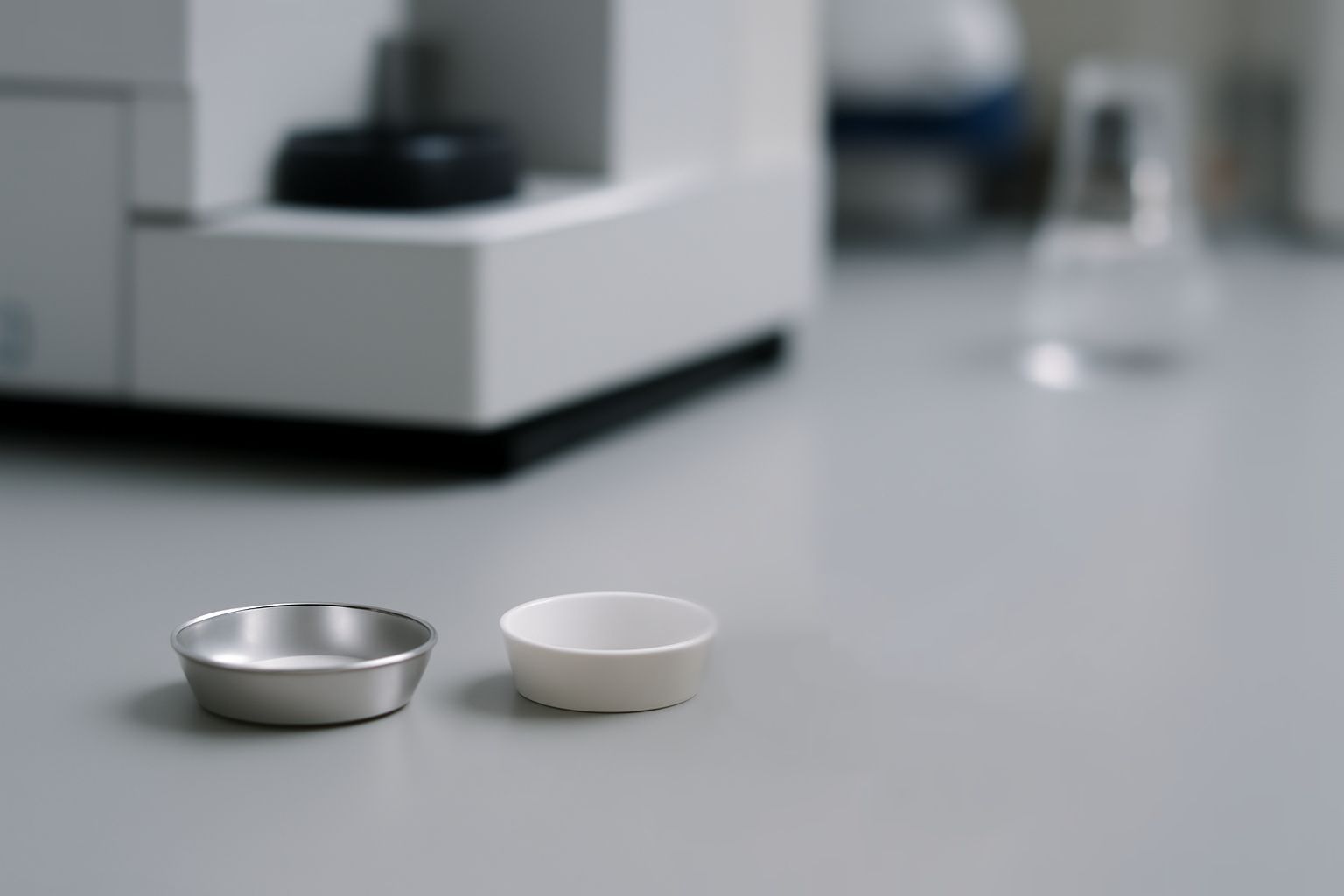
To ensure accurate pharmaceutical DSC analysis, selecting the right sample pan is critical. Key specifications include material properties like thermal conductivity, chemical inertness, and mechanical strength, all of which influence the precision and reliability of results. Choosing a pan made from materials like aluminum or platinum, ensuring it fits the thermal range of your test, and selecting the correct size and purity can prevent errors such as false peaks or sample contamination, ultimately enhancing the reliability and repeatability of DSC results in pharmaceutical research.
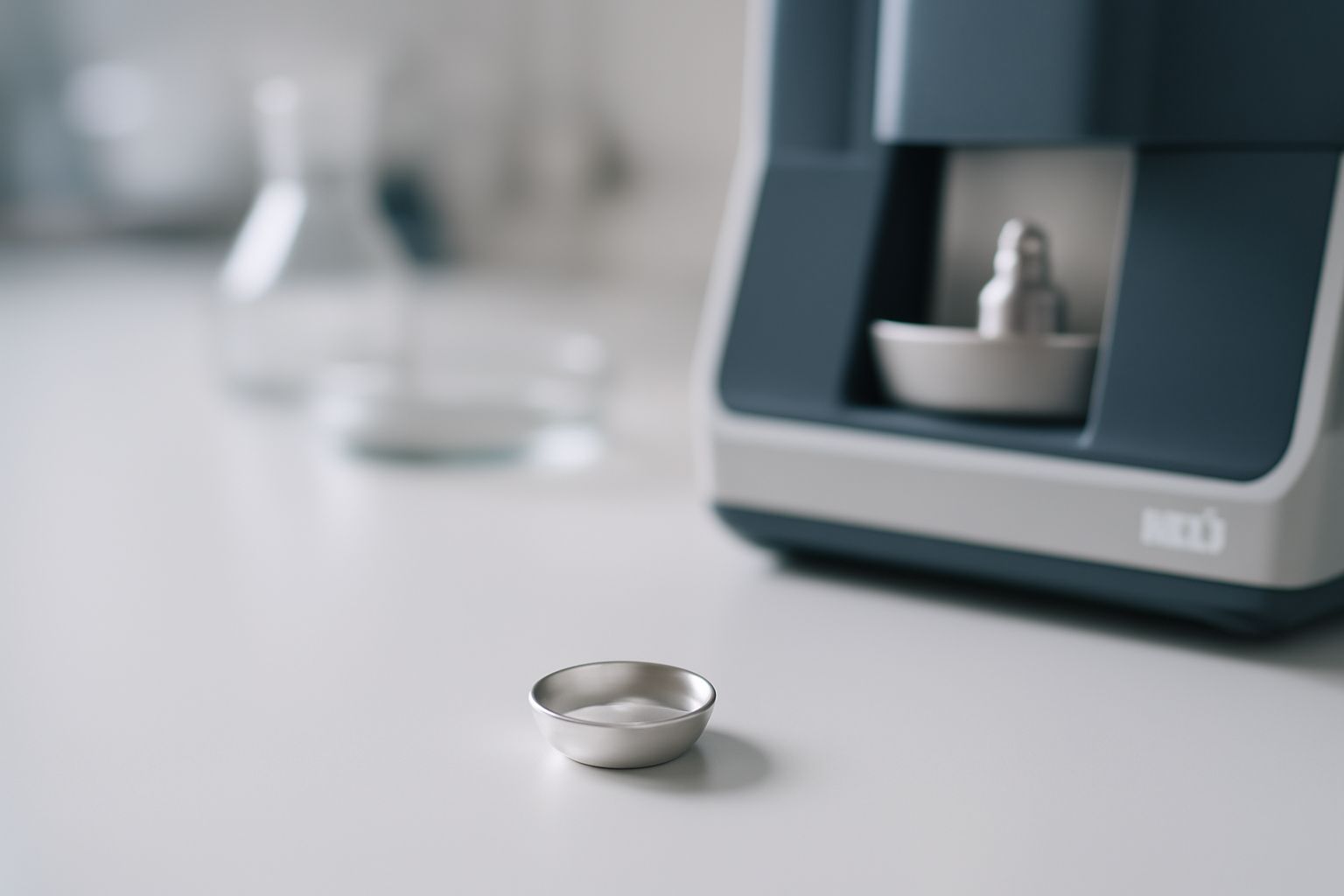
Choosing the Right Sample Pans for Pharmaceutical DSC Testing is critical for ensuring accurate measurements in drug development. Buyers should prioritize material purity, sealing quality, and compatibility with DSC systems to avoid inaccurate data and costly errors. Opting for high-purity aluminum or platinum pans ensures sample integrity, while tight seals protect from moisture loss. Matching the correct pan size and instrument compatibility is essential for precise results. Purchasing from reliable suppliers like REDTHERMO guarantees high-quality, certified products that meet industry standards.

Sample pans play a crucial role in pharmaceutical DSC testing by ensuring accurate, reliable, and repeatable results in drug development. High-quality pans prevent contamination, sample loss, and interference, allowing for precise measurements of thermal transitions. This precision is essential for pharmaceutical research, as it directly impacts drug stability and formulation testing. Innovations like gold coatings and high-pressure seals further enhance the performance of sample pans in handling sensitive compounds and maintaining data integrity.

This buyer's guide provides essential information for selecting DSC pans for polymer analysis labs. To ensure accurate and reliable results, it’s crucial to choose pans that are compatible with your DSC model and made of suitable materials like aluminum or platinum. Key factors to consider include pan material, sample requirements, sealing needs, and thermal range. Affordable alternatives from brands like REDTHERMO offer high-quality pans that match OEM standards while reducing costs, making them ideal for routine testing. Proper selection helps avoid test failures, saves money, and enhances lab efficiency.


C082.Wangdefu International Building, Furong, Changsha, Hunan, China


+86-19907415020