



SHOPPING CART
Your cart is empty.
shop now
Your cart is empty.
shop now
Switching from disposables to reusable DSC sample pans can be confusing and may cause resistance within your team. Proper planning changes the process from hassle to smooth improvement.
Transitioning to reusable DSC sample pans involves selecting the right pan, staff training, and solid inventory management. Following a structured plan, you can enjoy long-term cost savings and increase lab sustainability without interrupting research.
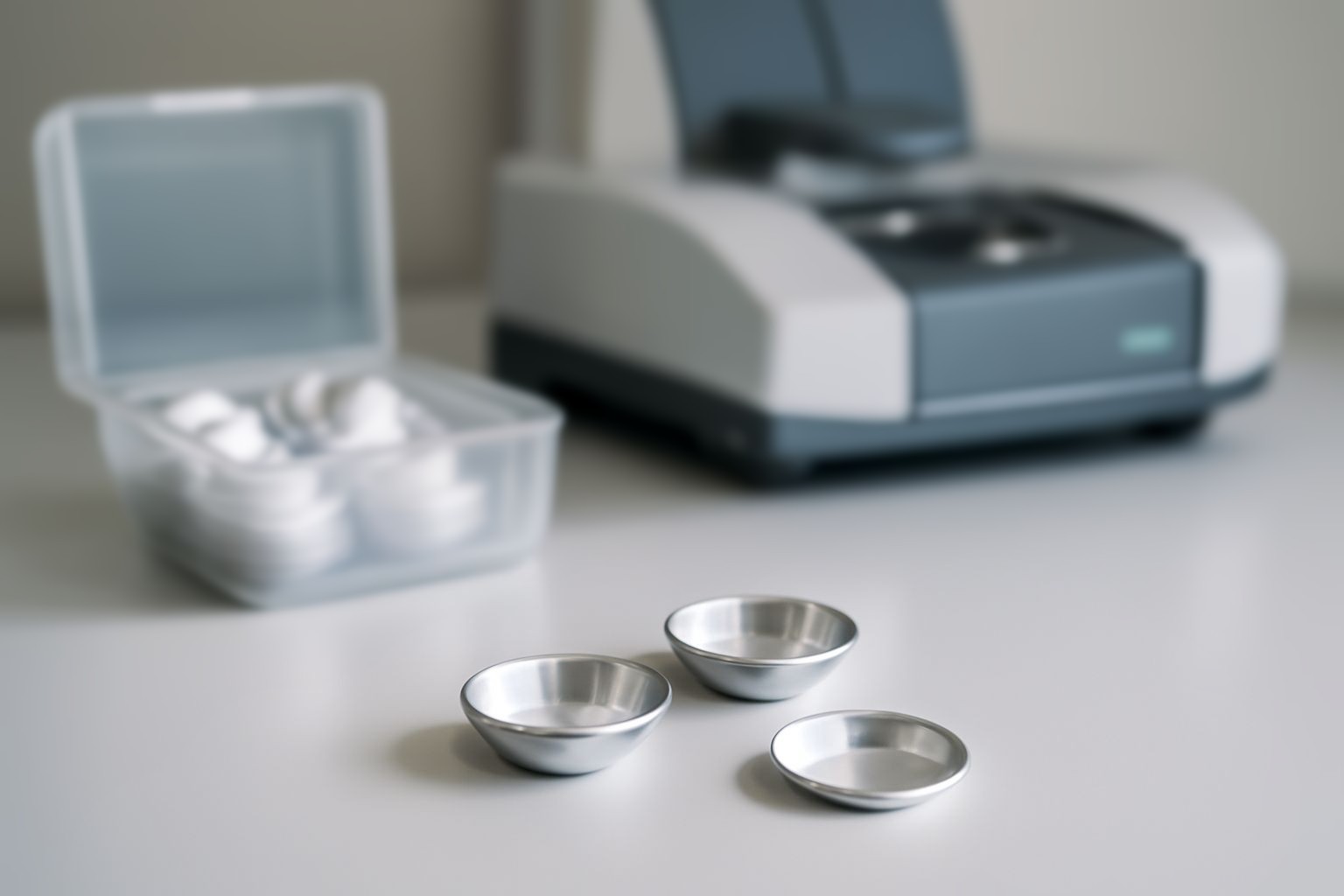
Most labs can improve their workflow by switching to reusable pans. I will share practical advice from my experience in planning changes, training, inventory, and cost tracking so your transition pays off and runs smoothly.
Labs often find switching processes overwhelming without clear steps or supply guidelines. Starting with the right approach can help avoid costly mistakes.
First, match reusable DSC pan specifications to your current instrument. Then create a transition schedule, phasing out old disposables as stock runs out. Test a small batch to confirm performance before making a full purchase for the lab.
| Step | Action | Reason |
|---|---|---|
| Compatibility Check | Compare pan sizes to machine specs (DSC models) | Ensures smooth fit |
| Supplier Sample | Order several reusable pans | Verify lab performance |
| Transition Timeline | Phase out disposables gradually | Prevents workflow disruption |
| Feedback & Adjustments | Get team input after each phase | Resolves issues early |
| Full Implementation | Switch all processes to new pans | Standardizes across lab |
It took my lab several weeks to phase out older consumables. I always advise consulting instruction manuals and using manufacturer technical support for smooth adoption. Resources like REDTHERMO and other leading suppliers offer good guidance for purchase and setup.
Proper staff training prevents damage and ensures you get a full lifespan from every pan. Many mistakes happen because users did not learn new handling and cleaning habits.
Train all team members in correct pan loading, sample handling, cleaning methods, and inspection routines. Include hands-on sessions, checklists, and easy access to cleaning supplies to build good habits from the start.
| Training Topic | Key Steps | Outcome |
|---|---|---|
| Safe Handling | No force, use tongs or gloves | Prevents deformation |
| Sample Placement | Center sample, gentle contact | Even heat response |
| Cleaning Protocol | Use correct solvent, thorough rinsing | Removes contamination |
| Inspection | Check for scratches/dents before use | Spots worn-out items |
| Record Keeping | Log cycles per pan in spreadsheet | Easy performance tracking |
I run check-ins every month to review technique and update team members when protocols change. Technical product literature from pan suppliers helps fill in knowledge gaps for complex equipment setups.
Without a clear plan, pans get lost, overused, or mixed up between projects. Labs need an organized inventory and maintenance process for smooth operations.
Set up inventory logs with unique IDs for each pan and track their cleaning and usage cycles. Schedule regular visual inspections and retire any pans with visible damage to maintain test consistency and accuracy in the lab.
| Inventory Step | Management Action | Lab Benefit |
|---|---|---|
| ID Assignment | Label or engrave pans | No mix-ups |
| Cycle Tracking | Log every use or batch | Timely retirements |
| Cleaning Record | Note solvent/cleaning date | Detects careless routines |
| Storage System | Keep pans dry, clean, in order | Avoids corrosion, misplacement |
| Periodic Audit | Monthly cross-check by staff | Long-term performance (inventory control) |
My team uses a simple spreadsheet and color-coded tags. Maintaining a schedule for cleaning and audits improves both shelf life and accuracy whenever pans are needed for high-stakes projects.
Labs often worry about the higher upfront price of reusable pans. A structured approach for tracking and demonstrating savings can help build support across teams and leadership.
Compare ongoing costs for disposables with projected life cycle expenses for reusables. Share reports showing savings in both supply and waste removal accounts. Use these results to secure internal funding for future equipment upgrades and pan replacements.
| Strategy | Action | Financial Impact |
|---|---|---|
| Cost Comparison | Calculate disposable vs. reusable long-term | Reveals true savings |
| Waste Fee Reduction | Subtract disposal charges from budget | Lowers total spend |
| Grant Reporting | Highlight sustainable spending | Eligible for extra funds |
| Performance Review | Log pan use/performance each quarter | Builds management confidence |
| Vendor Negotiation | Request volume discounts for reusables | Better price for bulk |
I submit annual reports showing cost avoidance to my management team. This keeps support strong and smooths future equipment updates, as savings can be redirected to staff training or critical research supplies.


C082.Wangdefu International Building, Furong, Changsha, Hunan, China


+86-19907415020