



SHOPPING CART
Your cart is empty.
shop now
Your cart is empty.
shop now
Research progress in universities often depends on reliable and precise thermal analysis. Using poor-quality supplies can waste valuable time and risk key experimental outcomes.
Thermal analysis supports university research by providing reliable data on material properties such as melting points and heat capacity. High-quality supplies help ensure these results are precise and reproducible.
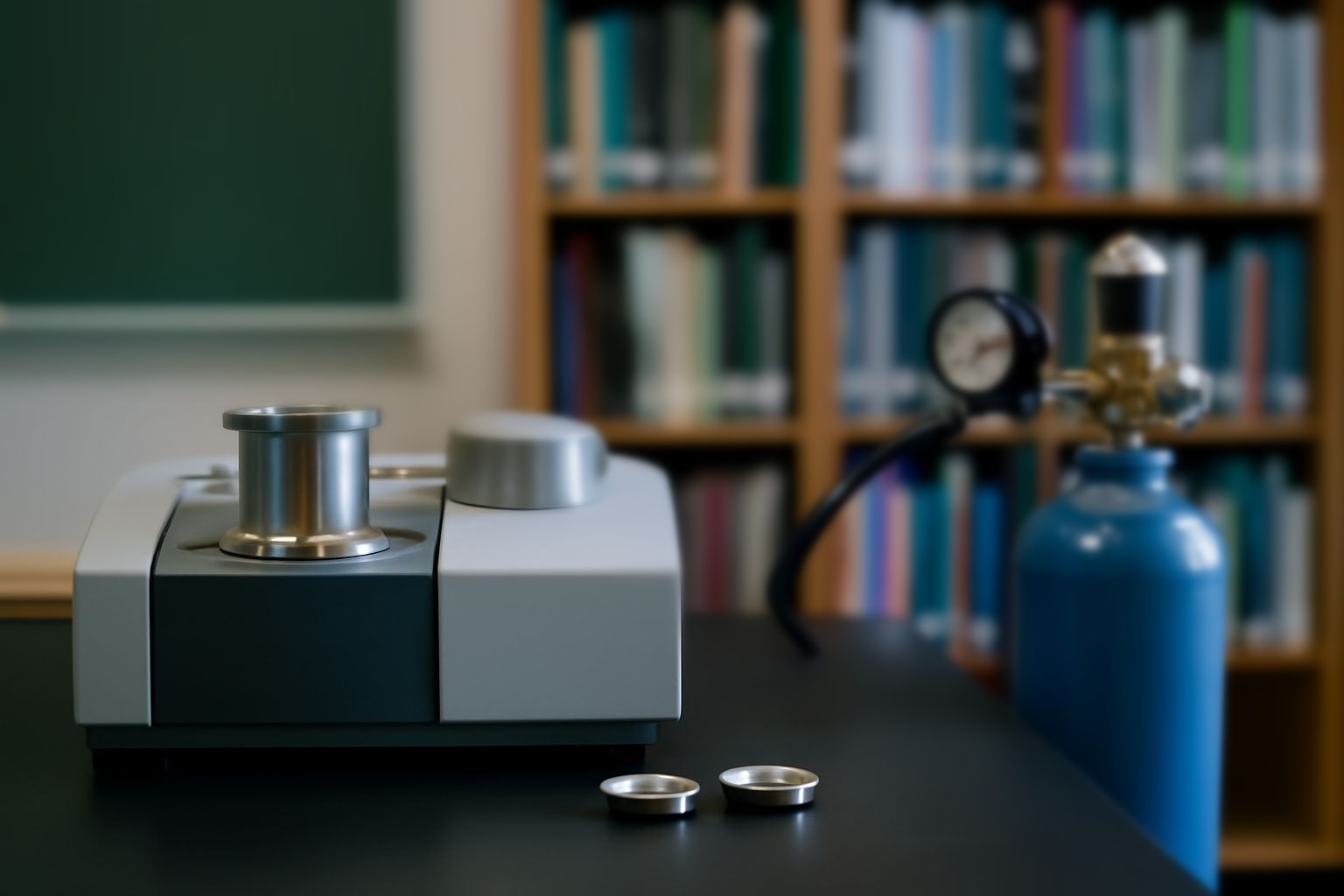
I have helped many academic labs streamline their research and troubleshoot technical challenges with the right choice of thermal analysis supplies. Choosing the correct equipment, and knowing how to maintain it, is at the core of every successful research project. This article explores how these tools support innovation, why reliable consumables are critical, and how university labs can optimize their setup.
Research breakthroughs in universities need accurate measurement of material properties. Thermal analysis methods help make this possible across chemistry, materials, and life science.
Thermal analysis measures physical changes in materials as temperature changes, guiding the design of new compounds and quality checks in research projects.
| Thermal Technique | Application in Research | Example Field | Learn More |
|---|---|---|---|
| DSC | Measures heat flow; detects phase transitions like melting or glass transition | Polymer science, pharmaceuticals | DSC in Research |
| TGA | Monitors weight changes as a sample is heated | Material decomposition, environmental studies | TGA Overview |
| DMA | Studies viscoelastic properties of polymers | Composite research, elastomers | DMA Explained |
In my experience, teams rely on methods like DSC or TGA to check for purity, study stability, and explore new synthesis paths. Robust thermal analysis lays the framework for repeatable science and trusted publication.
Even the best-designed experiment will fail if the lab supplies are inconsistent or contaminated. Quality matters in every step of thermal analysis.
University labs need high-quality pans, crucibles, and other thermal supplies to reduce error, prevent contamination, and obtain dependable results in thermal testing.
| Supply Type | Risk With Poor Quality | Key Benefit | Reference |
|---|---|---|---|
| Sample pans | May cause baseline drift or unknown signal artifacts | Consistent heat transfer and reliable baselines | Crucible basics |
| Sealing lids/caps | Risk of leaks or sample evaporation during heating | Preserves sample integrity in volatile sample studies | Sealing methods |
| Reference standards | Can distort calibration and invalidate results if impure | Ensures accurate calibration points in each run | Calibration |
I have seen research projects fail due to cheap pans or faulty caps that let samples escape. Reliable products are the base for every academic publication and guarantee trust in published data. Spending wisely on validated consumables prevents costly repeat experiments.
Every thermal analysis experiment needs specific consumables. Picking the right ones depends on both your device and the material tested.
The most needed thermal analysis supplies in universities include aluminum/sample pans, crucibles, lids, sealing tools, calibration standards, and sometimes cleaning agents for reusable items.
| Item | Typical Use | Material Basis | Extra Info |
|---|---|---|---|
| Aluminum pans | Most common for organic and polymer samples | Aluminium | REDTHERMO products |
| Platinum crucibles | Used for high-temp or corrosive sample work | Platinum | See crucible types |
| Sealing press/tools | Seals volatile or air-sensitive samples in pans | Stainless steel, PTFE | PTFE overview |
| Calibration standards | For device calibration and validation tests | Indium, tin, zinc | Calibration usage |
When I help university labs, I always check their supply of aluminum pans, platinum crucibles, and reference metals first. These basics remain the backbone for most teaching and research experiments in the thermal field.
Poor storage can lower the lifespan and quality of supplies. Well-organized maintenance saves money and assures valid data.
Consistent protocols help store and maintain thermal analysis supplies: use labeled containers, avoid cross-contamination, and monitor both inventory and usable life of each consumable.
| Maintenance Step | Purpose | Further Reading | Linked Resource |
|---|---|---|---|
| Dedicated storage bins | Reduces mix-ups and prevents contact with dust/moisture | Storage organization | LabManager tips |
| Inventory tracking | Prevents running out of key consumables before experiments | Inventory | ScienceDirect resource |
| Routine cleaning | Especially crucial for platinum and reusable items | Cleaning | Lab Cleaning |
In my experience, university labs perform best when students follow labeled storage, keep an updated inventory, and learn how to handle supplies after each experiment. Keeping every item clean and tracking batches makes it easy to troubleshoot results and lowers replacement costs. Most problems come from mix-ups or degraded materials, not expensive equipment failures.


C082.Wangdefu International Building, Furong, Changsha, Hunan, China


+86-19907415020