



SHOPPING CART
Your cart is empty.
shop now
Your cart is empty.
shop now
Unexpected errors, contamination, or data drift in thermal analysis can delay projects and reduce confidence in your results. Many labs overlook small details in crucible handling until it causes a major setback.
Most common problems with NETZSCH thermal analysis crucibles—like inaccurate results, contamination, and damage—are solved by correct handling, regular cleaning, and using compatible, undamaged pans tailored to your system.
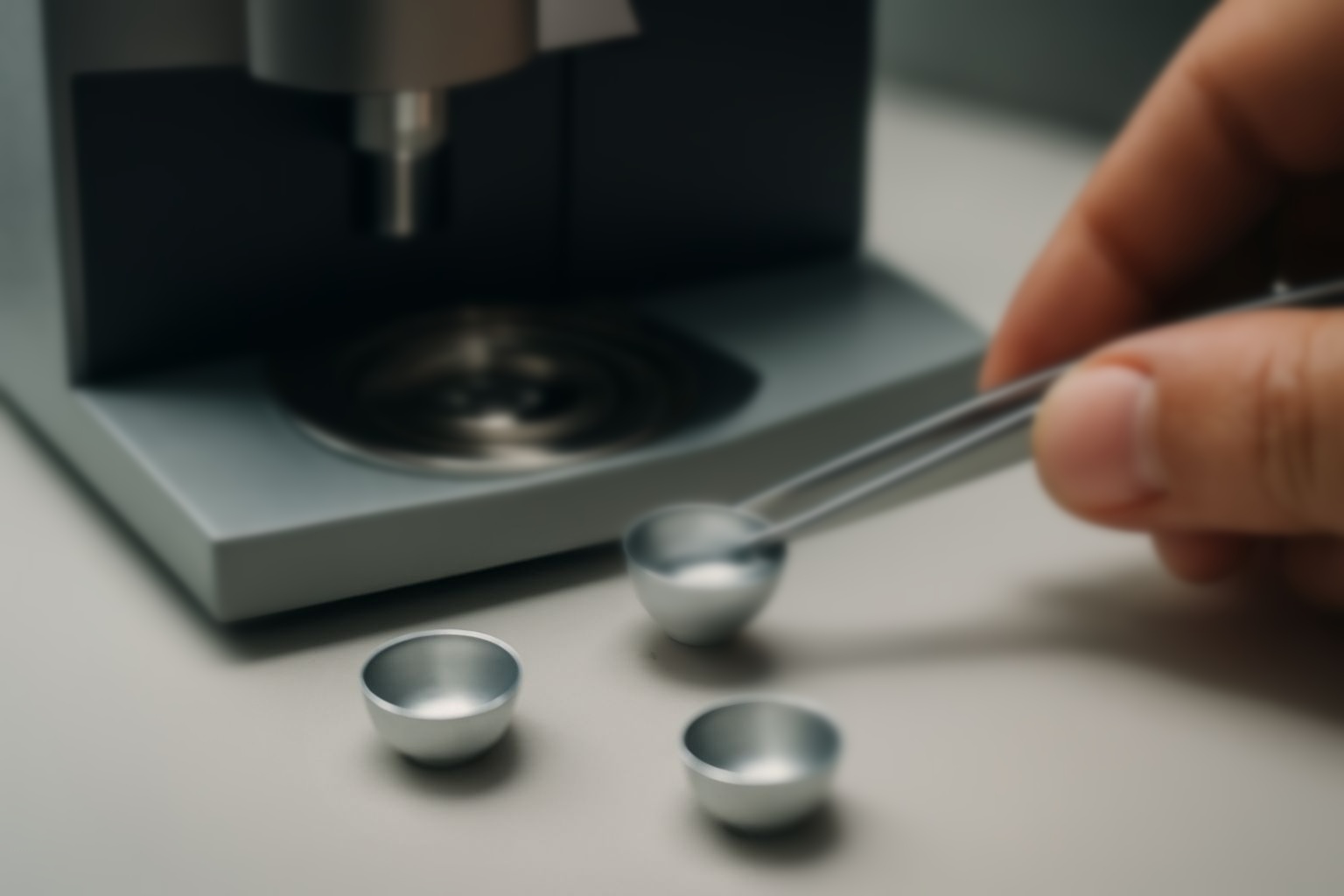
Over the years, I have consulted for labs facing repeated errors because of small oversights with crucibles. Rethinking lab habits and using a structured approach always led to better data, fewer wasted runs, and improved safety for everyone on the team.
Inconsistent or unreliable measurements can be deeply frustrating for the whole lab. Small physical flaws or improper selection are frequent but fixable causes.
Inaccurate results are often the result of pan warping, contamination, wrong type selection, or using an old or damaged crucible that no longer meets system requirements.
| Root Cause | Solution | Reference |
|---|---|---|
| Physical Damage | Visually check for dents, warping; replace immediately | crucible care |
| Contaminants | Clean with approved solvents, check for residue before use | Lab standard operating procedures |
| Incorrect Pan Type | Match pan to sample and test method (TGA, DSC, etc.) | Check instrument compatibility list |
| Old or Reused Crucible | Retire worn pans, use new for critical runs | Replace on visible fatigue or after tough chemicals |
I have witnessed several labs get erratic TGA/DSC results from mixing up pan types or reusing old, unseen-damaged crucibles. Since improving training and labeling, our data scatter reduced, and reporting confidence increased.
Even trace contaminants can produce false signals or interfere with heat flow results. Labs that set simple cleaning habits see fewer failed tests.
Always clean pans after each use, use gloves and dedicated tools, and store crucibles in dust-free containers to eliminate major contamination risks in routine testing.
| Contamination Source | Prevention | Advice/Reference |
|---|---|---|
| Residual Sample | Use solvent rinse or heat clean after each run | See glassware cleaning protocols |
| Airborne Dust | Store only in closed containers on clean shelves | Avoid open stacking of clean pans |
| Fingerprints/Oil | Always handle pans with gloves or tweezers | Wear new gloves for sensitive samples |
| Cross-Experiment Carryover | Assign pans per chemical group or method | Keep a written log of each pan’s use |
My worst TGA baseline drift came from a “clean” pan left in the open overnight. Wiping down, storing in original packs, and extra care in high-humidity months now keep my runs contamination-free.
Using a damaged or cracked crucible invites error or even disaster. Physical issues almost never fix themselves and can get worse with each run.
If you find any dents, cracks, or warping, retire the crucible and replace it with a new, certified pan to restore measurement accuracy and system safety.
| Damage Type | Action to Take | Reference/Tip |
|---|---|---|
| Dent, Scratch, Warping | Remove immediately, do not attempt repair | Manufacturer’s best practice (thermal analysis) |
| Cracking/Breakage | Sweep out all fragments, inspect sensor area, install new pan | Document incident in lab log for traceability |
| Surface Pitting/Corrosion | Dispose of pans if surface no longer smooth | Avoid reuse with strong acids or after oxidation events |
| Repeated Mechanical Stress | Replace pans at the first sign of fatigue | Do not bend or reshape pans for reuse |
My lab once made the mistake of “flattening” dented pans with pliers. Later, those runs failed audits, and I lost valuable time. Now, every pan with damage is replaced and logged before the next use.
Systems and pans that do not match will cause leaks, bad fits, or data loss. Equipment manuals often get ignored during the ordering process.
To ensure compatibility, match crucible type and size to your NETZSCH instrument reference and application method. Check current model guides and perform a test run with a reference sample.
| Compatibility Check | Best Practice | Reference |
|---|---|---|
| Instrument Model | Confirm pan code against NETZSCH data sheet | See calorimeter for basics |
| DSC/TGA Protocol | Use only pans suited for designated temperature/mass range | Instrument compatibility list/documentation |
| Sealing/Fit Design | Choose proper pan lid or open style as sample requires | Get technical advice if unsure |
| Reference Test | Run a water or indium test for baseline and fit | Compare to prior performance trends |
I review the accessory chart every time I test a new sample or project. My best habit is a quick test run with reference before any critical batch. This routine has caught mis-ordered pans at least three times in one year.
Regular care, proper handling, and matched system requirements are the best ways to solve and prevent problems with NETZSCH thermal analysis crucibles, protecting sample integrity and data quality.
Contact Us: info@redthermo.com

C082.Wangdefu International Building, Furong, Changsha, Hunan, China


+86-19907415020