



SHOPPING CART
Your cart is empty.
shop now
Your cart is empty.
shop now
Buying the wrong DSC crucible wastes lab time and budget, and can disrupt important research cycles. Choosing the right product requires careful, informed decisions every time.
Selecting DSC crucibles means reviewing key specifications, checking equipment compatibility, considering procurement channels, and understanding material options. This process helps guarantee dependable performance and consistent results.
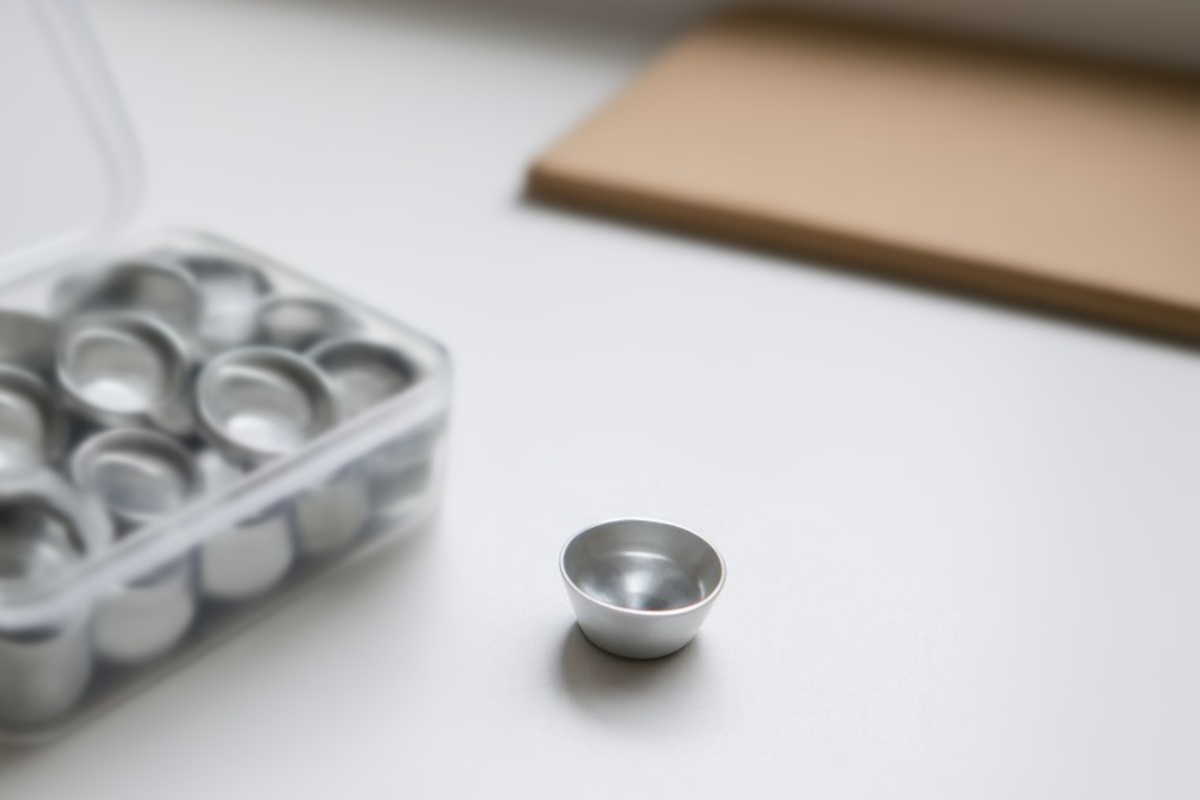
I often consult for labs frustrated with slow sourcing or mismatched pans. A step-by-step approach when buying crucibles makes processes smoother and final results more trustworthy, especially for high-stakes thermal analysis projects.
Crucibles that do not meet your requirements lead to test failure or unreliable data. Proper specs are the foundation of quality analysis and repeatable results.
Key specifications for DSC crucibles include material purity, volume, lid sealing, maximum temperature rating, and tight dimension tolerances for your chosen sample type and protocol.
| Specification | Importance | Reference/Tip |
|---|---|---|
| Material Purity | Prevents sample contamination and volatile changes | Choose >99.9% Al or Pt for sensitive tests (Aluminum) |
| Volume (µL/mg) | Fits your typical sample mass for better accuracy | Match to test guidelines |
| Temperature Range | Crucible must withstand all cycle temps | Refer to device range; check maximum limits |
| Seal Type | Controls volatility, prevents leaks | Hermetic for moisture/volatile samples |
| Dimension Tolerance | Keeps instrument fit precise for reproducibility | ±0.01 mm for leading brands |
I have seen pan selection errors ruin weeks of R&D. Now, I align test protocols, method requirements, and each batch order on lab-proven specs before final approval.
Compatibility issues halt productivity and create extra costs. Even small mismatches can force project delays or result in equipment damage.
Confirm model and series fit, consult compatibility charts, and check for software updates or accessory recommendations directly from the instrument manufacturer and supplier.
| Compatibility Check | Required Actions | Source/More Info |
|---|---|---|
| Model Match | Confirm crucible code matches DSC instrument model | Manufacturer datasheet or web catalog |
| Fixture Fit | Test pan fit and rotation inside sensor | Instrument user manuals |
| Software Version | Update to recognize new or special pans | Device support downloads |
| Accessory Standard | Check required tools or presses for correct sealing | Lab equipment supplier verified list (DSC) |
I always run a reference sample on newly acquired pans before approving bulk use. Any fitting or software mismatch is easier to fix before critical projects begin or before batch samples run out.
Where you buy affects both the price and assurance of quality. Some procurement shortcuts lead to lack of documentation or support when you need it most.
Purchasing directly from offers benefits like authentic product assurance, batch documentation, full warranty, and technical support, while established resellers may offer faster delivery or lower minimum orders.
| Buying Channel | Pros | Cons |
|---|---|---|
| Direct | OEM warranty, support, full traceability | May have higher MOQ, longer lead for rare types |
| Approved Reseller | Often quicker ship, smaller packs, price deals | Documentation and batch matching varies, less tech support |
| Generic 3rd Party | Low price, wide inventory sources | Risk of mixed specs, no guarantee, poor returns (QA) |
I guide teams to buy direct or from certified resellers for mission-critical projects. For routine R&D, a mix of official and third-party pans can work if quality is checked and records are kept for every lot.
Not all DSC applications use the same pan type. Material choices can affect cost, test performance, and even safety in routine or advanced lab work.
Main crucible materials include high-purity aluminum, platinum, gold, and alumina ceramics. Each option matches unique application needs in terms of inertness, heat resistance, and interaction with sample types.
| Material | Best For | Caution/Advice | Reference |
|---|---|---|---|
| Aluminum | General purpose, most organics, daily QA runs | Melting point ≤ 600°C (Aluminum) | Routine testing |
| Platinum | High temp tests, strong acids, oxidizing samples | Expensive but reusable and resistant | Platinum |
| Gold | Ultra-pure pharma, rare conformance work | Not for most routine labs | Chemistry reference |
| Alumina Ceramic | Harsh chemicals, strong alkalis, high temp | Brittle, not for very small mass samples | Alumina |
In my work, I match pan material to both the test protocol and sample type to balance budget with test accuracy. Documenting this choice helps avoid confusion during audits and supports regulatory submissions.
Smart procurement of DSC crucibles means checking specifications, equipment fit, buying channel, and pan material. Doing so ensures robust, compliant, and cost-effective research and analysis in your lab.
Contact Us: info@redthermo.com

C082.Wangdefu International Building, Furong, Changsha, Hunan, China


+86-19907415020