



SHOPPING CART
Your cart is empty.
shop now
Your cart is empty.
shop now
Frequent sample holder breakdowns slow my experiments and frustrate lab teams everywhere. Damage, contamination, and leaks waste resources and delay projects.
I tackle typical sample holder issues by inspecting for wear, regular cleaning, and using parts that match my equipment's needs. This approach means more reliable results.
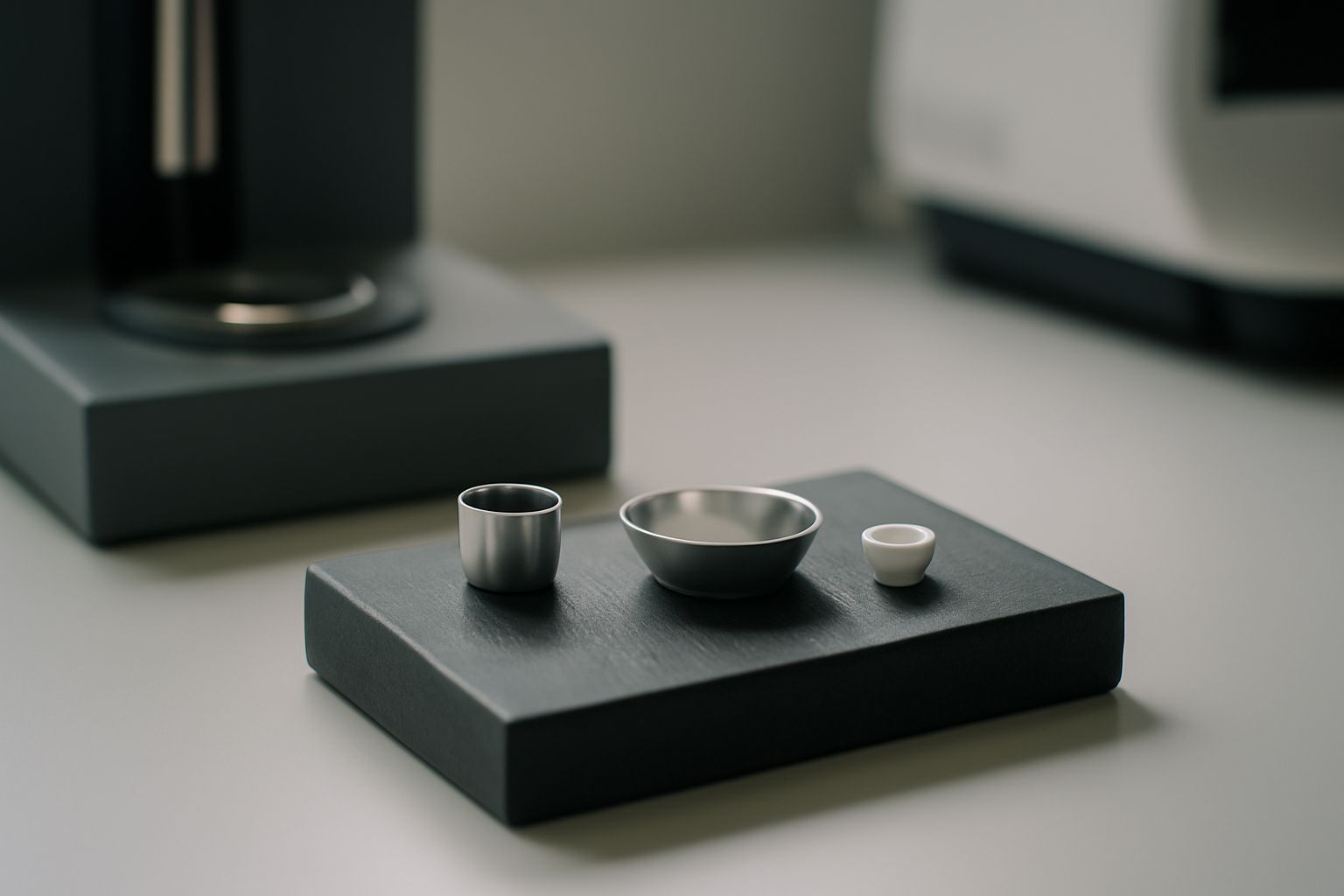
Solving sample holder problems improves test quality across every laboratory. At the start of my career, careless mistakes with holder maintenance led to incorrect test data and equipment shutdowns. Over time, I developed a checklist: spot problems early, use correct cleaning routines, and replace parts when needed. These simple steps keep the lab running and cut overall costs. Let’s break down common points of failure and how to fix them.
Inconsistent results or sample failures often trace back to minor sample holder faults. I have seen residue build up or tiny cracks disrupt entire batches of analysis.
Major problems include deformation from repeated heat cycles, surface contamination, poor sealing, and corrosion. Each issue threatens the accuracy of thermal analysis results.
| Problem | Cause | Symptom | Impact |
|---|---|---|---|
| Material Fatigue | Continuous heat/cool cycles | Warping or cracks | Rejected test results |
| Surface Contamination | Poor cleaning practices | Unexpected peaks in data | False readings |
| Corrosion | Exposure to harsh chemicals | Discoloration or pitting | Loss of pan structure |
| Poor Sealing | Misfitting lids or damaged gaskets | Sample leaks, pressure drop | Low repeatability |
Having basic knowledge of thermal analysis helps diagnose these failures. I recommend checking holders under a microscope after use. Many case studies highlight that regular inspection, as found in lab QA reports, prevents hundreds of faulty tests each year.
Performance drops when holders are overused or mismatched to new test types. I always improve outcomes by focusing on cleaning methods, proper loading, and correct part selection.
You can boost performance by using fresh or high-purity holders, adopting a strict cleaning schedule, and verifying compatibility with your instrument and samples.
| Action | How It Helps | Considerations | Reference |
|---|---|---|---|
| Regular Cleaning | Removes residues that interfere with heat transfer | Requires solvents or non-abrasive wipes | Lab SOP Manual |
| Use High Purity Holders | Reduces contamination and boosts accuracy | Choose aluminum, platinum types | Platinum standards |
| Check Compatibility | Prevents misfits and leakage | Cross-reference instrument and pan specs | Supplier tables |
| Replace Damaged Parts Quickly | Avoids compound failures | Keep spares on hand | Quality assurance |
Based on my years with thermal analysis, frequent cleaning and careful handling reduce performance errors. I keep a set of backup pans and compare my results before and after maintenance, as detailed in SOP guidelines. This simple approach supports stable, reproducible data.
I have cut holder costs in my lab by having a clear maintenance plan. Simple habits preserve performance over many cycles.
Sample holders last longer with gentle cleaning, safe storage, and immediate removal of chemical residues. Handle with care to prevent dents or scratches.
| Task | Frequency | Why It Matters | Tools/Products |
|---|---|---|---|
| Wash After Each Use | Every test | Removes reactive or sticky residues | Mild detergent, deionized water |
| Inspect for Damage | Weekly | Catches cracks, warping early | Microscope, magnifier |
| Store in Dry Place | Always | Prevents corrosion and oxidation | Sealed box, silica gel |
| Replace Worn Lids/Gaskets | As needed | Seals prevent leaks in pressure tests | Spare gaskets |
My experience matches the findings from industry QA programs—routine inspection with a microscope finds nearly all issues before they disrupt testing (Source: REDTHERMO support files, 2023). Using a dedicated storage area also keeps holders free from airborne dust or chemicals between uses.
Replacement lids, gaskets, and even whole pans prevent downtime and lost sample runs. I always keep a small set of spare parts in my storage drawer.
Most suppliers offer common replacement parts for popular holder models. You can buy these as single units or in packs based on your lab's volume of use.
| Part | When to Replace | Source | Notes |
|---|---|---|---|
| Lid | Bent, warped, or lost seal | Supplier or OEM site | Vital for pressure control |
| Gasket/O-ring | Loss of elasticity or breakage | Online lab consumable store | Check for O-ring sizing |
| Pan | Visible cracks, heavy corrosion | REDTHERMO or similar | DSC/TGA compatible |
| Holder base | Distortion or unremovable buildup | Special order from manufacturer | Fewer suppliers carry this |
A quick check of laboratory equipment supplier pages shows most parts can be ordered by individual SKU. Keeping part numbers on file streamlines ordering and prevents mix-ups.
With the right care, spare parts, and regular cleaning, any lab can avoid holder failures and keep thermal analysis results consistent and reliable.


C082.Wangdefu International Building, Furong, Changsha, Hunan, China


+86-19907415020