



SHOPPING CART
Your cart is empty.
shop now
Your cart is empty.
shop now
Lab managers need to watch every cost. The wrong crucible choice can drive up expenses, disrupt workflows, and risk critical sample loss over time.
Universal crucibles may seem more expensive at first. However, their versatility and repeat-use potential can cut long-term laboratory costs, especially when testing needs or equipment change often.
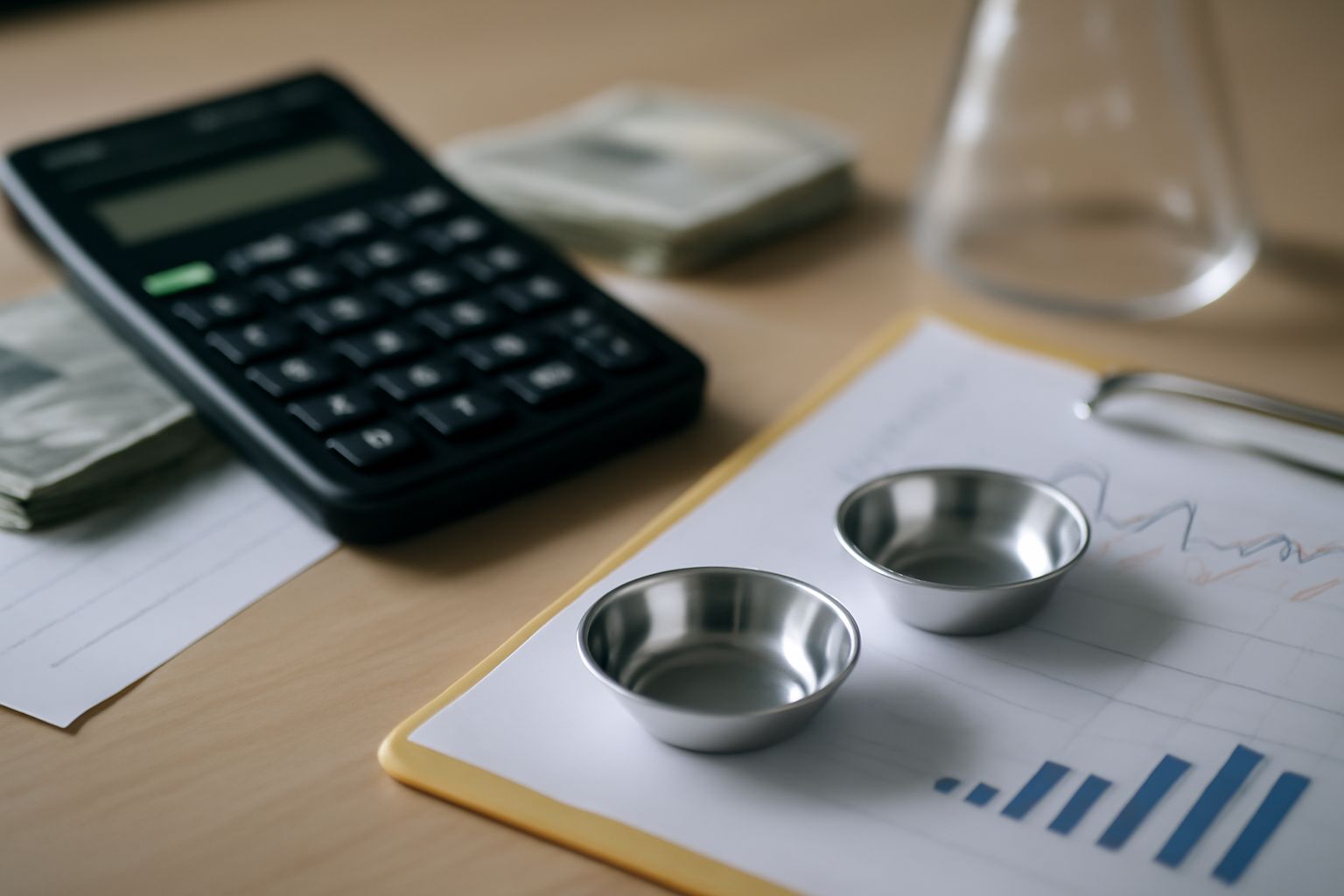
I have seen labs save thousands by standardizing on universal crucibles and reducing stock, waste, and equipment-specific procurement headaches.
Switching crucibles for every brand or test leads to overstock, confusion, and wasted money. I have audited labs with drawers of unused pans for obsolete tools.
Universal crucibles slash long-term costs by working across multiple devices, allowing bulk buying, and reducing spend on specialty inventory or rushed replacements.
| Mechanism | How It Works | Lab Saving Result | Reference |
|---|---|---|---|
| Cross-compatibility | One pan for most analyzers | Lower SKU count, fewer mistakes | Interoperability |
| Bulk purchasing | Larger volumes, unit price drops | Reduced per-test cost | Economies of Scale |
| Streamlined training | Fewer pan types to learn | Lower onboarding cost | Lab Training |
| Less obsolescence | Fits next-gen and legacy gear | Unused stock loss drops | Obsolescence |
Reducing obsolescence gave my lab a measurable drop in annual procurement costs. Cross-compatibility expands long-term savings as equipment upgrades.
Some specialized pans seem cheap upfront but carry hidden costs: minimum order, inflexible use, or batch-specific parts that pile up unused.
Universal crucibles are priced $6–$15 per unit, higher than $2–$8 for specialized types. However, one universal pan can replace several specialty versions in real-world workflows.
| Type | Unit Price Range | Replacement Ratio | Reference Source |
|---|---|---|---|
| Universal (Aluminum) | $6–$9 | 1:3 | Aluminum |
| Universal (Platinum) | $12–$15 | 1:5 | Platinum |
| Specialized | $2–$8 | 1:1 (test-specific) | Specialized Crucible |
I track procurement logs and see specialized pans become “dead stock” when a test type ends. Universal pans flow through the lab for longer and keep cost per use lower on average.
Lab managers often juggle many analyzers and research projects. The right crucible strategy underpins testing efficiency, budget, and lab staff workloads.
Universal crucibles reduce stockouts, training costs, and errors. Their efficiency, reliability, and multi-device fit drive value in labs with routine and advanced analysis.
| Benefit | Universal Crucibles | Specialized Crucibles | Info Link |
|---|---|---|---|
| Inventory needed | Simple, lower overall | Multiple types, risk of shortage | Inventory Control |
| Training hours | Short, faster onboarding | Longer for each tool | Lab Training |
| Flexibility | Adapts to any routine | Locked to test or device | Interoperability |
| Error rate | Lower, fewer SKU mix-ups | Higher, more choices/risks | Quality Control |
When I manage a mixed equipment lab, a universal set shrinks my SKU and headache count. It also speeds up new project launches and lowers training costs every year.
Real ROI is not just unit price, but includes less “dead” inventory, easy lab scaling, reduced retraining, and fewer urgent last-minute shipments.
Calculate ROI by comparing the total cost of ownership per test: factor in buying price, replacement cycle, storage, labor, and waste for both universal and specialized crucibles.
| Cost Component | Universal | Specialized | ROI Factor | Source |
|---|---|---|---|---|
| Purchase Price Per Unit | Higher ($6–$15) | Lower ($2–$8) | - | Cost |
| Inventory Holding | Low, fewer SKUs | High, many SKUs | Savings | Inventory |
| Replacement Rate | Longer lifespan | Frequent, single use | Savings | Wear |
| Labor & Training | Lower | Higher | Savings | Lab Training |
| Waste Disposal | Reduced | Often higher | Savings | Waste Management |
I use spreadsheets to factor all lab costs, and universal pans bring proven long-term value—especially when upgrading or changing thermal analyzers.


C082.Wangdefu International Building, Furong, Changsha, Hunan, China


+86-19907415020