

SHOPPING CART
Your cart is empty.
shop now
Your cart is empty.
shop now
Many labs struggle with costly, slow supply of original DSC sample pans. This can disrupt schedules and limit flexibility when working with multiple instruments at once.
Multi-brand compatible DSC sample pans offer labs a smooth way to test across various brands like TA Instruments and METTLER. They simplify workflows, improve cost control, and reduce testing interruptions—making them a smart upgrade for research and QC labs.
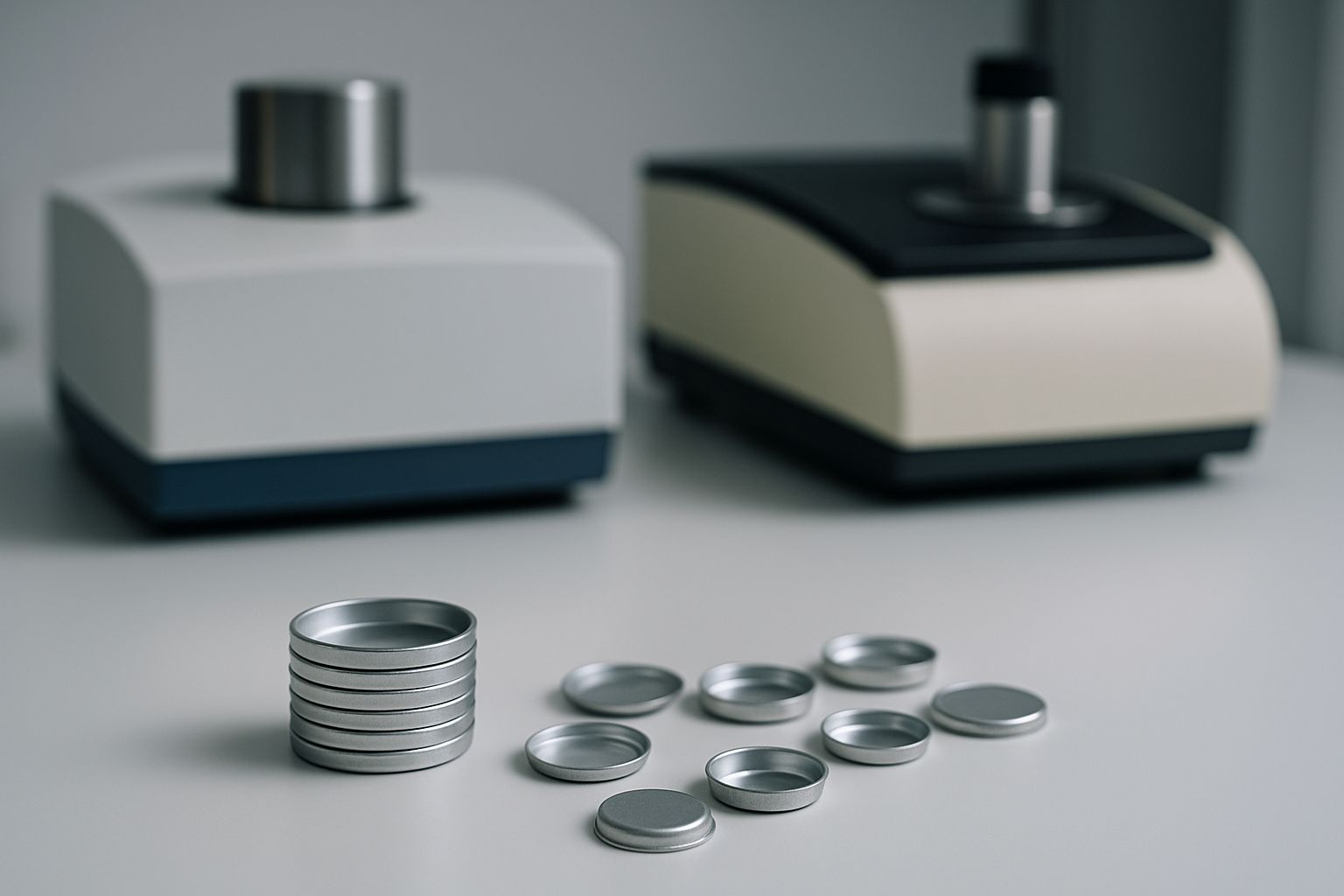
Switching between DSC instruments often causes delays and higher costs. Labs need solutions that save time while giving trusted results. I found that compatible sample pans help teams handle more projects and respond to new research tasks without long lead times. Let’s take a closer look at why these pans matter, which labs benefit most, and what to watch out for when choosing them.
Testing materials as quickly as possible is key for R&D and QC teams. Original sample pans for each DSC brand are expensive and hard to buy in a rush.
Labs pick multi-brand compatible DSC pans because they fit different testing needs while lowering supply headaches. Using one proven set across brands means fewer missed deadlines and better workflow control.
| Reason | Description | Reference |
|---|---|---|
| Consistency | Pans with matched specs provide stable test performance across DSC models. | Differential Scanning Calorimetry |
| Supply Chain | One source supplies many instrument types, which reduces wait time for repeat orders. | Supply Chain Management |
| Flexibility | Engineers can test urgent samples on any available device, not just one brand. | R&D Labs |
| Cost | Buying large sets of universal pans usually gives lower prices than brand-specific stock. | Procurement |
Material science labs often use DSC instruments from brands like Netzsch, METTLER, PerkinElmer, and TA Instruments. Switching pans every time is frustrating.
One set of multi-brand compatible pans keeps all workflows smooth. Technicians move between instruments faster with fewer errors or supply gaps.
| Feature | Why It Matters | Application Example |
|---|---|---|
| Cross-brand Fit | Universal design suits multiple DSC holders with high tolerance accuracy. | Run tests on TA and PerkinElmer with same pans. |
| Speed | Switch pans quickly on different bench setups without looking for special parts. | QC labs with shared equipment finish daily samples faster. |
| Reduced Waste | One pan type lowers risk of mixing stock or running out during a busy season. | Centralized storage for all R&D teams cuts backup stock need. |
| Fewer Errors | No need to check dozens of small part numbers—training new staff is simpler. | Technicians can focus on test setup, not sorting pans. |
Some labs run only basic quality checks, but others jump between complex research and routine tasks every day. These busy environments gain the most from cross-brand pans.
Projects that demand lots of testing, time changes, or frequent team swaps work better with multi-brand DSC pans. Faster switching and steady supply mean fewer delays for results.
| Research Area | Benefit | Example or Source |
|---|---|---|
| Polymer Analysis | Requires many runs on different devices for cross-checking data. | Large material science labs handling client sample rush orders. |
| Pharmaceutical Screening | Tests on stability and purity benefit from same pan models across all DSC holders. | Drug development QC daily testing pace (source). |
| Failure Analysis | Root cause assessment needs repeatable results between brands to compare performance. | Electronics firms tracing process defects in supply chain. |
| Teaching Labs | Training students on more than one brand without extra prep or supply tracking. | University materials research courses. |
Not every universal DSC pan fits all experiments. Cross-brand pans must match safety and thermal stability demands of each brand’s original parts.
It’s important to review purity, sealing, and fit. Some sensitive research, such as high-pressure calorimetry, still needs original or ultra-high-quality custom pans. Always check specs before wide use.
| Requirement | Key Notes | Where to Learn More |
|---|---|---|
| Material Purity | 99.99% Aluminum is standard, but some work requires platinum or other materials. Purity affects signal. | Aluminum Types |
| Sealing | Pans must close tight for volatile or oxidative samples—brand tolerances may differ slightly. | Sealing in Labware |
| Temperature Range | Make sure the pan’s design fits the max test temperature needed (usually up to 600°C for most aluminum pans). | DSC Temperature Info |
| Fit/Dimensions | Even small errors can cause poor results or equipment wear. Always check product datasheets. | ASTM E1952 |
Multi-brand compatible DSC sample pans help laboratories work faster and handle many research needs with less downtime—but engineers must always check fit and material details for best results.
Contact REDTHERMO for Technical Support

C082.Wangdefu International Building, Furong, Changsha, Hunan, China


+86-19907415020