


SHOPPING CART
Your cart is empty.
shop now
Your cart is empty.
shop now
Are you frustrated by the high cost and long wait times for branded sample pans? You might worry about choosing third-party DSC pans for your instruments.
To select suitable multi-brand DSC pans, check pan size, material quality, sealing type, and compatibility with your equipment model. Always look for reference tables and real customer feedback before purchase decisions.
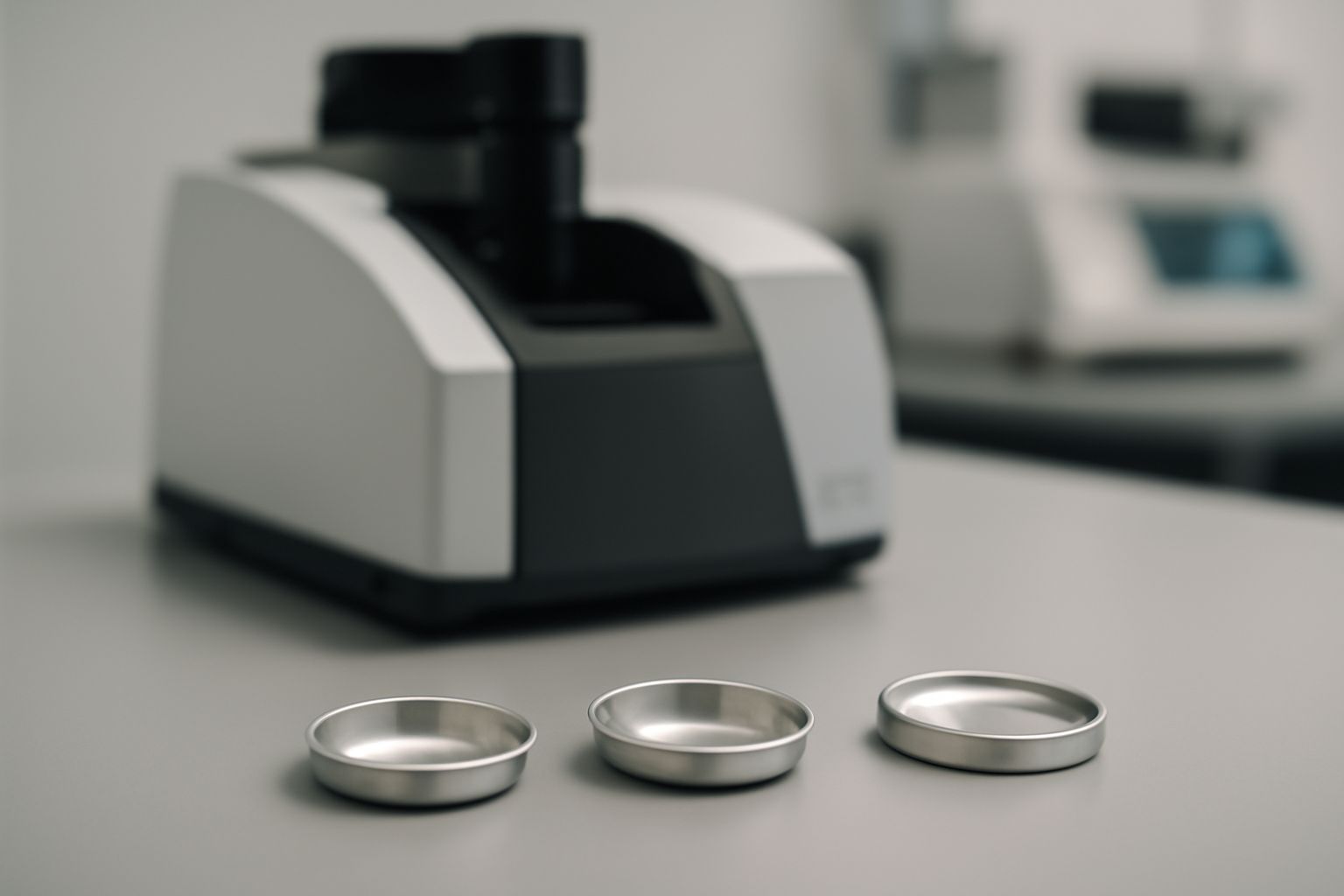
Buying DSC pans feels risky when results and budgets are on the line. I also spent days checking technical specs and matching pans to my own lab devices. Knowing what matters most helps you save both time and money. Choosing quality pans boosts your work and keeps stress away. Stay with me as I break down every key step, so your decision is simple and smart.
Confused by all the DSC pan options out there? Missing one detail could ruin your test results or cost your lab money.
The most important DSC pan specs are diameter, height, material purity, sealing style, and maximum working temperature. Ensure each pan meets your instrument’s requirements before you order.
| Specification | Why It Matters | Typical Range / Notes |
|---|---|---|
| Diameter | Pans must fit DSC holders exactly, or leaks or instrument errors may occur. | 5.0–6.7 mm (common); check your model’s specs |
| Height | Pans that are too tall can block the sensor; too short causes poor sealing. | 1.5–3.0 mm typical |
| Material Purity | Affects heat transfer and background stability during analysis. | 99.99% Aluminum, Platinum, or Gold |
| Sealing Mechanism | Prevents sample loss and ensures pressure integrity. | Manual/lid press, O-ring, crimp seal |
| Max Working Temperature | Pans must survive test conditions without deformation or release of contaminants. | 350–1600 ℃ (depending on metal) |
| Instrument Compatibility | Avoids measurement errors and hardware damage. | Match pan shape and size to specific DSC models |
Even well-known third-party brands show small differences between batches. I always ask for the latest technical datasheet and real-world compatibility confirmations before buying.
You might worry if a compatible DSC pan will fit your equipment, especially with so many model numbers and brands in your lab.
Start by checking your instrument’s manual and find the official pan part number. Match it to a compatibility chart from your supplier before purchasing.
| Instrument Brand | Model | Official Pan Part No. | Actions to Confirm Fit |
|---|---|---|---|
| TA Instruments | Q2000, Q20, Q10 | 900786.901 | Check vendor’s compatibility list |
| Netzsch | DSC 214, 204 F1 | 40 87 608 | Compare with technical drawing before using |
| METTLER | DSC 1, TGA/DSC 3+ | ME-27331 | Request measurement data and sealing test video |
| PerkinElmer | DSC 8000, 6000 | 02190047 | Match pan height and shape directly |
| Other Major Brands | Shimadzu, Hitachi, Rigaku | Various | Send a photo or drawing to supplier for visual check |
I learned that sending photos of my current pans, as well as requesting pan-drawing PDFs, helped avoid mismatched batches. Many labs now keep these records for every DSC instrument. See also: Lab Manager reference.
Deciding between saving money and reliable results is always tricky. Labs with tight budgets might pick low-cost pans, hoping for the best.
Always prioritize compatibility first, then compare cost. A pan that does not fit causes wasted tests and higher costs in the long run.
| Decision Factor | Short-term Impact | Long-term Impact |
|---|---|---|
| Lower Upfront Price | Saves money on a single purchase | Possible test failures, risk of re-testing and higher overall cost |
| Guaranteed Compatibility | Less risk, smooth setup | Reduces failures, preserves data accuracy, supports lab reputation |
| Bulk or Custom Orders | Lower unit price per pan | Custom-fit pans reduce error rates in regular work |
| Poor Data from Bad Fit | Test interruption or inconsistent results | Loss of funding, project delays, client complaints |
Labs using pans with wrong specs often ignore small leaks or poor seals—these small mistakes damage long-term test reliability. Reports from the National Institute of Standards and Technology also warn of the risks. In my experience, spending a little more on a certified, compatible pan always pays off.
You might feel uncertain about third-party pans, even if you like their price. Some labs fear lower quality or that results will be hard to trust.
The main risks are poor fit, lower material standards, missing certifications, and no technical support. Check all product documents before buying third-party pans.
| Aspect | Brand-name Pan | Third-party Pan |
|---|---|---|
| Dimension Tolerance | ±0.01mm (strict QC) | Varies by supplier, can be looser |
| Material Grade | Always certified | Varies, sometimes needs external test report |
| Batch Quality | Traceable, ISO certified | Request lot documents, check for quality assurance systems |
| Customer Support | Direct channel, warranty, fast replace | Depends on vendor, check review scores |
| Price | High, sometimes 2–3x more | 30–50% lower, especially in bulk |
I always ask for recent third-party batch test reports and scan forums like ResearchGate for real user feedback before my purchase. This helps cut risk and improves decision confidence.


C082.Wangdefu International Building, Furong, Changsha, Hunan, China


+86-19907415020