



SHOPPING CART
Your cart is empty.
shop now
Your cart is empty.
shop now
Worried about costly testing errors or damaged equipment? Most labs discover compatibility issues only after test failures or wasted materials.
To verify consumable compatibility, always use manufacturer tables, match model specs precisely, and run preliminary validation—this prevents mistakes, protects test data, and maintains safe lab operations.
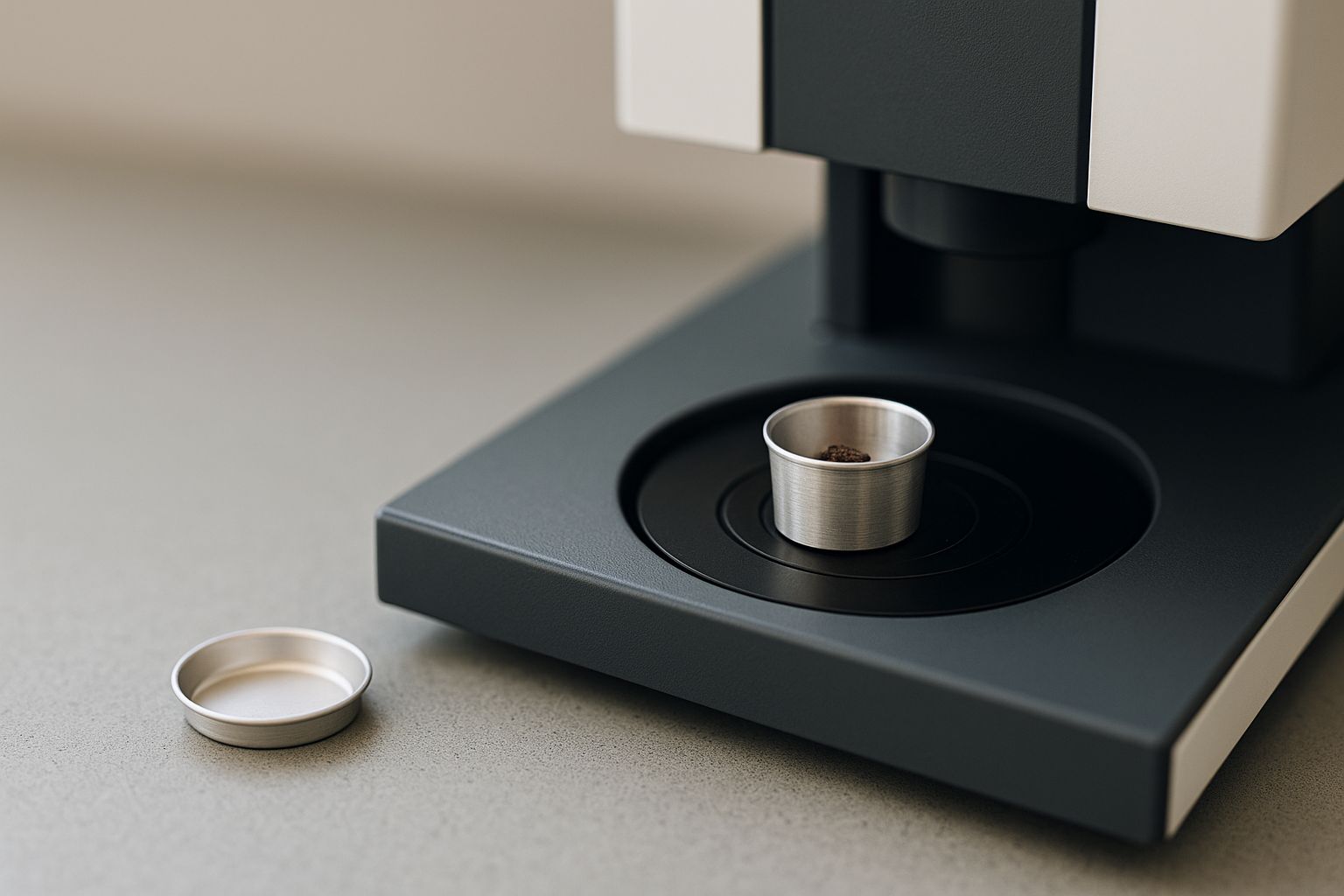
Getting the right match between consumables and your test equipment is not only a technical need, it is vital for every R&D, quality control, or lab technician. I have learned that anticipating common issues and following a reliable step-by-step method makes all the difference. Let’s take a closer look at the most important checks every professional should know.
Sudden sample loss, poor sealing, and damaged instruments can all result from choosing the wrong consumables. These issues cost time, increase the risk of failed experiments, and can even harm expensive lab instruments.
The typical compatibility problems are wrong dimensions, incorrect sealing, incompatible materials, and unsuited temperature ranges. Each mistake can lead to leaking samples, unpredictable readings, or broken equipment. Careful selection prevents expensive lab downtime and broken trust in your results.
| Issue Type | High-Risk Impact | Example Brands | How to Avoid |
|---|---|---|---|
| Dimension mismatch | Sample pan won’t fit; equipment fails to close properly | TA Instruments, NETZSCH, METTLER | Check exact outer diameter, height, and compatible reference numbers |
| Material incompatibility | Reacts with sample; causes contamination or corrosion | PerkinElmer, Shimadzu | Only use specified materials (e.g., 99.99% Al, gold) |
| Temperature rating error | Pan deforms or melts; instrument damage | Setaram, Hitachi, Rigaku | Cross-reference max operating temperature for each pan |
| Improper sealing | Sample escapes; test result variance rises | All brands | Follow each equipment’s sealing instructions with matching lids or rings |
Dimension accuracy is especially vital for instruments using automated sample changers. Reviewing exact technical sheets and learning from detailed reference tables shields labs from unnecessary headaches.
Incorrectly matching a consumable model is a common source of failed measurements. Even brands with similar part names may have subtle differences that matter for test results.
To match sample pans or crucibles, locate your equipment’s approved consumable list, find the precise model or part number, and source exact equivalents. If you use alternatives, cross-check every spec—dimension, material, and seal type—against official data sheets or compatibility tables.
| Equipment Brand | Part Number Format | Key Fields to Match | Helpful Resource |
|---|---|---|---|
| TA Instruments | Example: 900786.901 | Outer diameter, height, material, capacity | Serial numbers guide |
| NETZSCH | Example: 6.239.2 | Seal type, wall thickness, TGA/DSC usage | Official container specs |
| METTLER | Example: ME-27331 | Capacity, fitting, shape (flat/cone) | Part number info |
I always recommend double-checking model lists when switching suppliers. Most errors happen when buyers skip reading the compatibility guide or lack a professional cross-reference. In my experience, one overlooked digit can stop a whole week’s worth of lab work.
Even a small mismatch in tolerances may lead to leaks, poor heat transfer, or improper seating. This affects repeatability and destroys trust in your test readings.
Dimensional tolerances define the accepted size variation a pan or crucible can have. If tolerances are tight (like ±0.01 mm), pans will seat perfectly, give accurate calibration, and stay put during robotic handling. Wide or mismatched tolerances lead to errors, which affect sensitive DSC and TGA outcomes.
| Tolerance Type | Recommended Value | Impact on Testing | Reference Standard |
|---|---|---|---|
| Outer Diameter | ±0.01 mm | No wobble, system seats and seals correctly | ISO 286 |
| Height | ±0.02 mm | Consistency in heat flow, avoids misreading | Brand datasheet |
| Wall Thickness | ±0.005 mm | Controls thermal lag, prevents false signals | OEM guide |
To maintain test confidence, always order sample pans or crucibles from brands that publish accurate specs. If you do not control tolerance, your thermal analysis may suffer from sources of error you cannot see. For advanced labs, checking actual delivered tolerances using a precision micrometer is a great daily habit.
Changing suppliers is risky without stepwise validation. One wrong batch can cost expensive downtime. I follow the same careful routine every time I switch.
To validate, start by reviewing supplier-published compatibility sheets. Order a small test quantity, then run a known reference test (using a standard material or setup). Compare test output, sealing, and see if consumables pass your equipment’s official checks and benchmarks before full-scale use.
| Step | Action | Purpose | Key Tool/Reference |
|---|---|---|---|
| Check technical sheets | Collect official dimensions, tolerances, max temperature | Identifies visible mismatches before ordering | Supplier datasheet, OEM guide |
| Compare model/part numbers | Ensure numbers match original lab consumables | Prevents ordering mistakes | Published cross-reference |
| Small-quantity test | Use minimal batch in standard routine test | Early warning for functional/fit problems | Lab protocol |
| Performance check | Compare test data, physical fit, sealing after use | Trust the new consumable’s real-world effect | QA logbook |
Once the sample passes technical and performance checks, you can scale purchases. Many seasoned labs also record findings in a logbook to maintain traceable data. This careful, stepwise approach saves both money and your professional reputation.
Verification needs careful checks at every step. I always compare specs, run test batches, and trust only what works under real lab conditions. Precision matters.
Contact REDTHERMO Technical Support Now

C082.Wangdefu International Building, Furong, Changsha, Hunan, China


+86-19907415020