



SHOPPING CART
Your cart is empty.
shop now
Your cart is empty.
shop now
Tired of expensive DSC accessory bills? Many researchers seek lower-cost solutions, yet worry about giving up accuracy or reliability.
You can lower the cost of your personal lab DSC accessories by using certified third-party suppliers, comparing multiple vendors, and requesting sample packs to verify quality—all without sacrificing reliable test results.
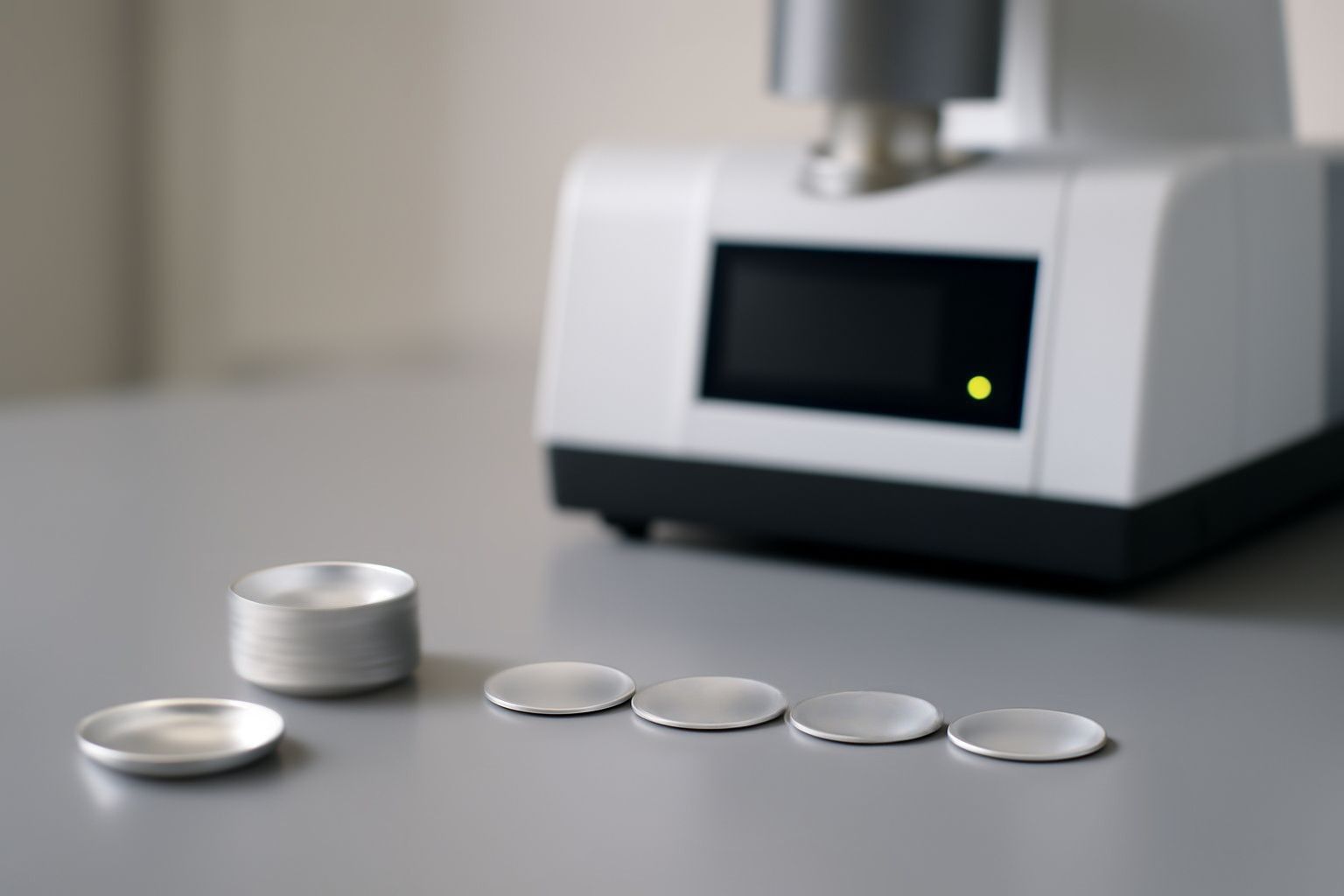
I often see frustration among researchers who are unhappy with costly and slow-moving factory-supplied DSC sample pans. Many choose to look for alternatives, but almost everyone hesitates before changing a critical lab supply. There are advantages and risks you need to consider, but you do not have to compromise quality if you use a step-by-step approach. Let’s look at the most effective ways to save on DSC accessories for your personal lab.
Switching to third-party DSC pans and lids can seem risky at first, but careful selection of certified products ensures your research quality stays high.
Third-party DSC sample pans and lids manufactured by reputable suppliers can match the quality and compatibility of original brands. Always request official material certificates and compatibility proof before committing, as these documents help guarantee unbiased results and secure fitment for your personal laboratory equipment.
| Factor | Importance | How to Check |
|---|---|---|
| Material Purity (Aluminum / Platinum) | Prevents contamination and errors | Ask for purity certification (99.99%) and batch documents |
| Size Tolerance | Ensures device compatibility | Check technical datasheets, request measured samples |
| Sealing Method | Stops leaks, especially in volatile tests | Request sealing test videos or references |
| Brand Compatibility | Fits your instrument model | Ask for a compatibility chart or previous user feedback |
| Supplier Reputation | Impacts trust and consistency | Check industry reviews, such as ResearchGate or LinkedIn groups |
Some users also benefit from open communication with suppliers, asking clear questions about batch quality, warranty, and previous successful uses. I always recommend searching for a transparent supplier who will send references or answer technical questions directly. For further data on aluminum’s use in DSC, refer to this study showing its stability in thermal analysis.
A mix of careful vendor selection, sample testing, and price comparison helps lower expenses without giving up standard compliance or measurement repeatability.
I always start by reviewing several accessory brands before buying. Many suppliers now send out small sample kits for minimal cost. I make sure every provider offers technical data to compare them directly with the original brand. When I see test results that prove matching performance, I feel confident about switching. This approach avoids costly trial and error, and helps keep every test reliable.
| Strategy | Benefits | Practical Example |
|---|---|---|
| Comparative Sourcing | Finds best value-to-quality ratio | Shortlist 3 suppliers and request detailed quotes |
| Sample Packs | Allows hands-on performance check | Test 5-10 pcs in your own DSC unit |
| Request Documentation | Ensures technical trust | Collect material certificates and test reports |
| Leverage Direct Factory Supply | Reduces markups, speeds up delivery | Order from suppliers like REDTHERMO |
| Seek Bulk Promotions | Lowers unit cost if you plan ahead | Combine orders with nearby labs or colleagues |
When evaluating vendors, I also watch for reviews on industry forums like LinkedIn. A simple search often shows whether a company is known for fast shipments and steady quality, which is critical for lab work.
You do not have to buy in bulk. Small-quantity accessory orders can still be cost-effective if you select the right supplier and check for no minimum order policies.
I know many personal researchers hesitate to place large bulk orders due to tight budgets or limited storage space. Luckily, suppliers who support lab-scale purchases make it easier to control expenses. Some even offer discounts for ongoing small-quantity orders, helping you avoid waste while meeting real usage patterns. Especially for fast-moving accessories like DSC pans and lids, flexible single-pack options are available.
| Order Size | When to Use | Pros | Cons |
|---|---|---|---|
| Small (10-50 pcs) | For testing, low usage, new suppliers | Minimum spending, less risk, quick delivery | Slightly higher unit price |
| Bulk (100+ pcs) | For big projects, group purchases | Lowest unit cost, fewer orders | Upfront cost, storage, waste risk |
| Sample Packs | Trial run, product validation | Very low risk, first-hand quality check | May not cover all future needs |
Choosing flexible order sizes helps support both regular testing and one-off research projects. For more on purchasing models, see this procurement overview to understand how labs manage inventory and costs.
You can ensure DSC accessory quality by demanding detailed technical documentation, requesting pre-purchase samples, and reviewing verified customer feedback before placing any order.
Before placing an order, I always ask the supplier for technical datasheets, test reports, and sample pieces. I test these samples in my own laboratory for fit, sealing ability, and background signal. If the sample performance matches or exceeds the original brand, I place a main order. Transparent vendors will also share ISO 9000 certification or lab accreditation, offering extra peace of mind.
| Step | Actions | Why It Matters |
|---|---|---|
| 1. Get Technical Datasheet | Obtain pan lid specs, compatibility, and material info | Assures technical requirements are met |
| 2. Request Certification | Ask for proof of compliance, like purity or ISO 9001 | Ensures standard quality control |
| 3. Run Pre-Purchase Tests | Use free or low-cost samples in your instrument | Checks real-world performance |
| 4. Gather User Reviews | Read feedback on supplier website, forums | Alerts you to common issues |
| 5. Confirm Return Policy | Check supplier’s risk-free trial/return process | Protects your investment |
Following this process keeps your test results credible and prevents wasted time or expense. When in doubt, reach out directly to trusted technical support for help.
Personal lab researchers save on DSC accessories by seeking reputable third-party vendors, testing before buying, and always demanding documented proof of compatibility and quality certifications.


C082.Wangdefu International Building, Furong, Changsha, Hunan, China


+86-19907415020