



SHOPPING CART
Your cart is empty.
shop now
Your cart is empty.
shop now
Poor pan usage, frequent replacements, and repeated errors drive up analysis costs. Labs can easily waste budget and time by overlooking basic cost-saving moves.
To optimize costs with heat-resistant DSC pans, invest in quality, buy in bulk, maintain pans properly, and consider reusable options as appropriate to boost longevity and experiment efficiency.
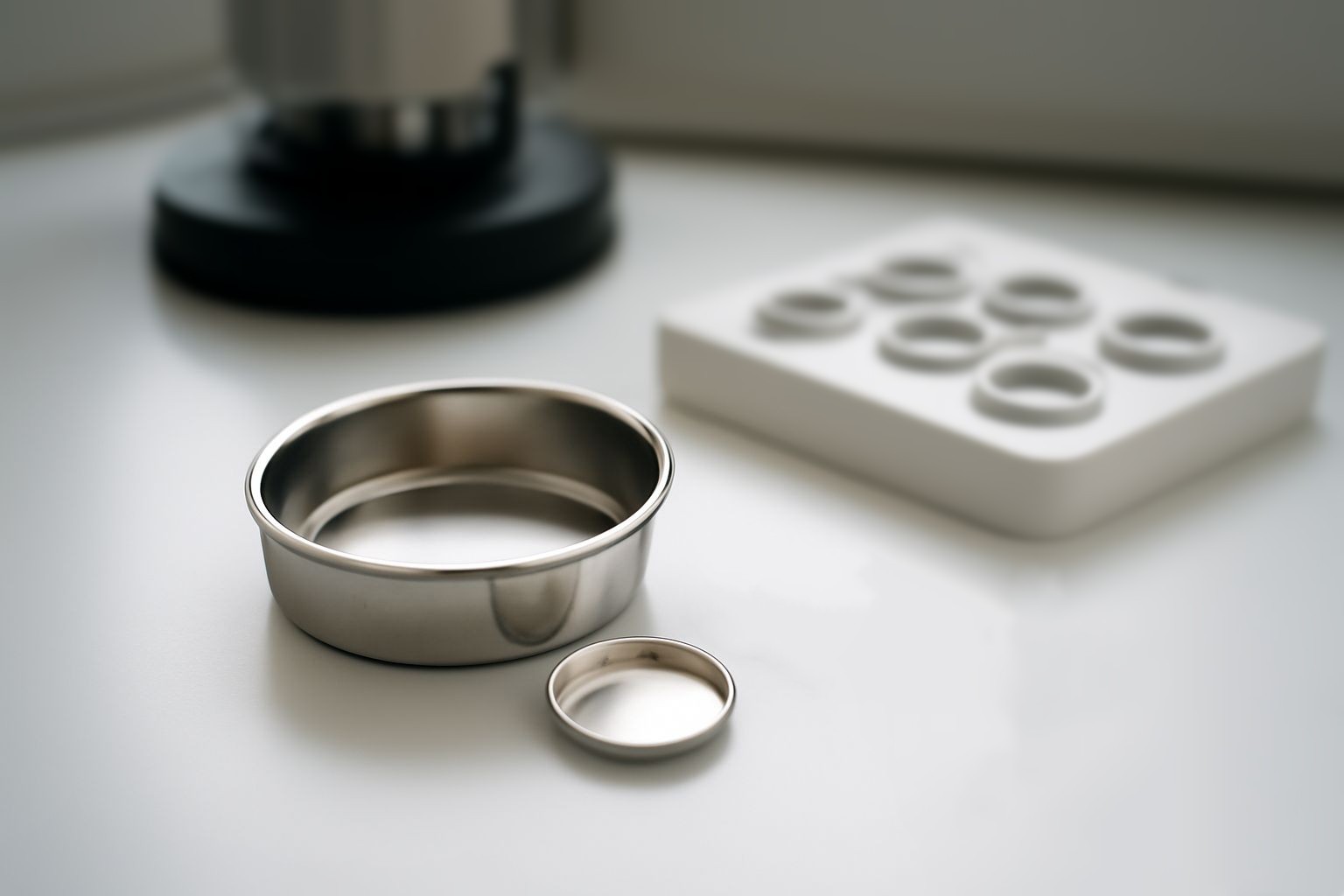
I have seen how smart purchasing and workflow habits slash pan expenses for both research and teaching labs. Every tip in this guide comes from real experience helping university and industry teams stretch their consumable budgets while securing trustworthy data. Each strategy helps labs control quality and minimize waste for every experiment run.
Pans can last longer and provide more value when labs avoid careless handling and improper cleaning or storage. Waste comes not just from overuse, but from avoidable damage.
Use pans for as many cycles as supplier guidelines allow, track their condition, and rotate stock to avoid premature discarding and maximize investment in every pan you buy.
| Maximization Action | How It Adds Value | Frequency | More Info |
|---|---|---|---|
| Condition logging | Identifies wear before failure/discard | Update after each use | Quality control |
| Scheduled cleaning | Prevents residue buildup/corrosion | After every run | Cleaning |
| Proper storage | Reduces accidental damage, cross-contamination | Store promptly after cleaning | Storage |
| Rotation and batching | Ensures even wear, fewer missed replacements | With each experiment batch | Batch production |
I once doubled our pans' useful lives by mandating rotation and condition checks. Pans that were logged and stored dry showed no corrosion or warping, even after extended use. Upfront habits delivered bottom-line savings over a full school year.
High unit pricing eats into budgets if you buy small or on short notice. Labs can save money by planning ahead and leveraging supplier programs.
Cost-saving tips include bulk purchasing, seeking group or institutional rates, choosing validated third-party brands, and timing orders to match promotional cycles when possible.
| Strategy | Cost Impact | Best Use Case | More Info |
|---|---|---|---|
| Bulk buys from main supplier | Lowers per-unit price | Semester or project stock | Bulk purchasing |
| Vendor group/institutional rates | Unlocks discounts for pooled orders | Multiple labs/departmental purchases | Consortium |
| Third-party validated brands | 30–50% less than OEM, same specs | Non-critical routine testing, teaching labs | OEM |
| Order during promotions | Reduces unit cost, adds free extras | Flexible project timelines | Sales promotion |
In my lab, we cut costs by combining small orders into a quarterly bulk buy, working closely with purchasing to use grant or departmental accounts for group discounts. New projects always test third-party pans first for fit and performance before switching to get maximum price reduction.
Improper disposal and redundant pan use cause significant waste—even more than breakage. Efficiency grows with training and quality control.
To reduce waste, train staff in proper pan handling, use only the required quantity, conduct regular batch reviews, and transition to reusables when safe and appropriate.
| Waste Reduction Method | Efficiency Gain | Primary Benefit | Extra Resource |
|---|---|---|---|
| Staff education/training | Decreases accidental loss, misuse, overuse | Lower overall consumption | Lab training |
| Batch/lot tracking | Timely removal of worn pans, fewer repeat errors | Higher percentage of usable pans | Batch production |
| Use reusable pans when possible | Reduces single-use waste | Lower cumulative supply costs | Reusable |
| Routine QC checks | Catches damage or contamination pre-test | Fewer failed or repeated runs | Quality control |
In my experience, techs with proper training in pan handling and tracking used 20% fewer pans per month than new staff with no coaching. Reusable pans made from platinum paid back their higher initial cost in two semesters when tracked across our teaching cycles.
Higher up-front costs can be misleading. True economy comes from quality that stands up to repeated use, tough methods, and audit demands.
Premium pans lower long-term costs by reducing experiment failures, lasting through more cycles, and supporting regulatory needs for traceability and repeatability.
| Long-Term Benefit | Cost Effect | Lab Advantage | Linked Topic |
|---|---|---|---|
| Reduced experiment reruns | Lower wasted supplies and operator time | Consistent, trusted data | Experiment |
| Fewer replacements and orders | Less frequent inventory restocking and shipping fees | Less downtime, better lab planning | Inventory |
| Supports audits/traceability | Saves staff hours preparing reports, supports compliance | Simple documentation, batch control | Traceability |
| Reputation for reliable results | Improves grant/funding success, fewer challenged publications | Win confidence in industry and academia | Research |
After our lab moved to premium aluminum pans with strict vendor QC, the rate of repeats dropped and published data needed less post-experiment review. The cost per experiment fell as success rates rose, letting us take on more projects with the same supply budget.


C082.Wangdefu International Building, Furong, Changsha, Hunan, China


+86-19907415020