



SHOPPING CART
Your cart is empty.
shop now
Your cart is empty.
shop now
Budget limits often force labs to cut corners when buying crucibles. Poor choices can raise overall costs by causing more test repeats, wasted samples, and downtime.
Balancing cost and quality means looking beyond price tags. Focus on lifetime value, material strength, and the performance benefits good crucibles bring to your thermal measurement projects.
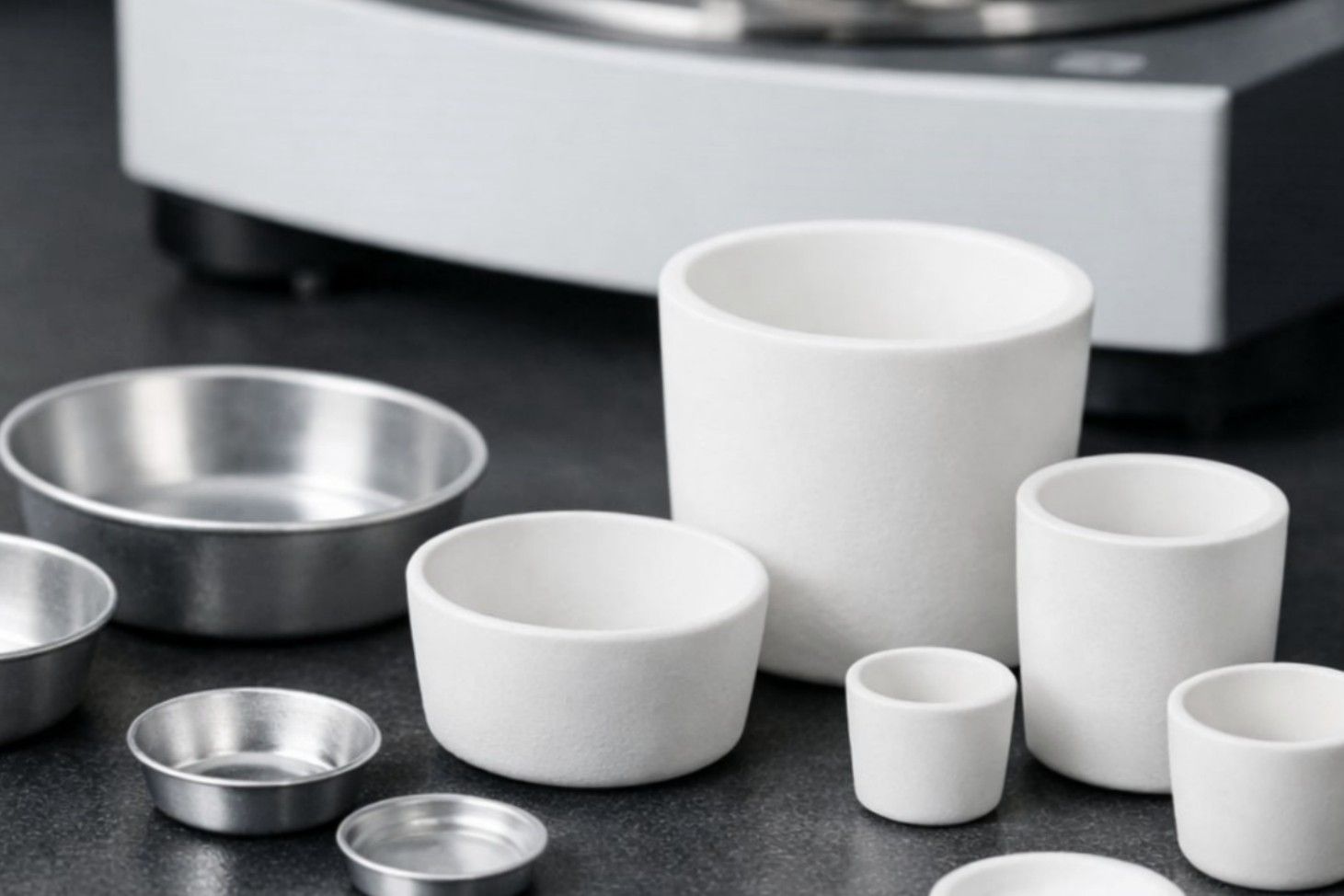
I often found that spending slightly more upfront for reliable crucibles saved money in fewer replacements and better results. Let’s see how to keep your budget in control while securing quality measurements.
Cheap crucibles may keep weekly expenses low, but surprise costs appear from frequent breakage, errors, and bad results. These hidden costs affect project cash flow and quality targets.
The total cost of crucibles combines purchase price, replacement frequency, and impact on project reliability. Using high-quality crucibles can cut costs by reducing loss and reruns.
| Cost Element | Direct Impact | Project Outcome |
|---|---|---|
| Unit Price | Initial purchase spend per piece | Controls baseline lab costs |
| Replacement Rate | Frequency of required purchases | High breakage raises long-term costs, causes downtime |
| Test Reruns | Extra experiments to replace failed runs | Eats into material budget and work hours |
| Performance Loss | Subpar accuracy or bad data from low-grade pans | Weak results can require full redo of a project segment |
I once tracked a quarter’s worth of spending and saw that higher quality pans brought down overall cost per test, even with higher upfront payment.
Not every expensive material is needed for every test. Cheaper alternatives can do a good job for many standard measurements without reducing reliability.
Cost-effective materials like alumina, standard ceramics, and some graphite can suit most lab applications. Only high-precision or harsh-condition tests need to pay more for premium metals like platinum.
| Material | Approx. Cost Level | Main Strength | Lab Application |
|---|---|---|---|
| Alumina | Low | Sturdy, clean, handles most lab heat | Standard use, teaching labs, ceramics |
| Graphite | Medium | High heat but needs oxygen control | Metallurgy, glass melting (graphite info) |
| Ceramic Blend | Low-Medium | Affordable, resists many acids | General chemistry, non-harsh tests |
| Platinum | High | Top precision and chemical inertness | Trace analysis, pharma, or regulated studies |
I helped a new team cut their supply spend by switching to alumina for common work, saving premium pans for only their most demanding projects.
The highest-priced crucibles can intimidate during purchase, but true value shows in life cycles, measurement quality, and supplier support, far beyond simple upfront cost.
Value comes from fewer failures, longer use between replacements, and stronger data support when auditing results. Always check historical usage costs, not only the invoice number.
| Value Factor | Relevance | Result for the Lab |
|---|---|---|
| Service Life | How many cycles the crucible lasts | Lowers replacement budget and supply interruptions |
| Measurement Quality | Accuracy, repeatability in real projects | Reduces retesting and validation efforts (repeatability) |
| Supplier Support | Warranty, tech support, flexible order terms | Makes urgent needs and troubleshooting easier |
| Compliance Records | Batch certificates and traceability | Saves time during audits and client reviews |
When I switched to certified platinum pans for a pharmaceutical client, they sailed through audits with less rework and fewer regulatory headaches.
Many labs can maximize both cost savings and quality by using tiered sourcing, active supplier partnerships, and strict performance review of every order batch.
Strategies include buying in bulk, using supplier loyalty programs, and conducting annual reviews of batch success rates. Keeping technical standards clear also keeps costs down.
| Strategy | How It Works | Effect |
|---|---|---|
| Tiered Sourcing | Match pan grade to project importance | Uses premium only for missions where it matters |
| Bulk Orders | Negotiate lower rates for high-volume buys | Saves budget on consumables and freight |
| Batch Inspection | Review each delivery for specs and performance | Catches outliers and reduces retesting workload (quality inspection) |
| Loyalty Programs | Take advantage of supplier rebates/offers | Cuts purchase costs over the long term |
I regularly partner with reliable vendors for scheduled restocks. This practice brings down price per pan and ensures I have the stock needed for critical deadlines.
Careful balance of cost and quality in crucible procurement builds long-term value, supports project accuracy, and protects lab budgets from hidden expenses.
Contact Technical Support

C082.Wangdefu International Building, Furong, Changsha, Hunan, China


+86-19907415020