



SHOPPING CART
Your cart is empty.
shop now
Your cart is empty.
shop now
Unpredictable results and wasted samples can result from the wrong crucible in special test environments. Every lab faces situations where standard solutions fall short.
In real-world scenarios, choosing the right crucible is critical for accurate thermal measurement. By matching pan features to test needs, you improve repeatability and confidence, while solving issues like reactivity or rapid temperature changes.
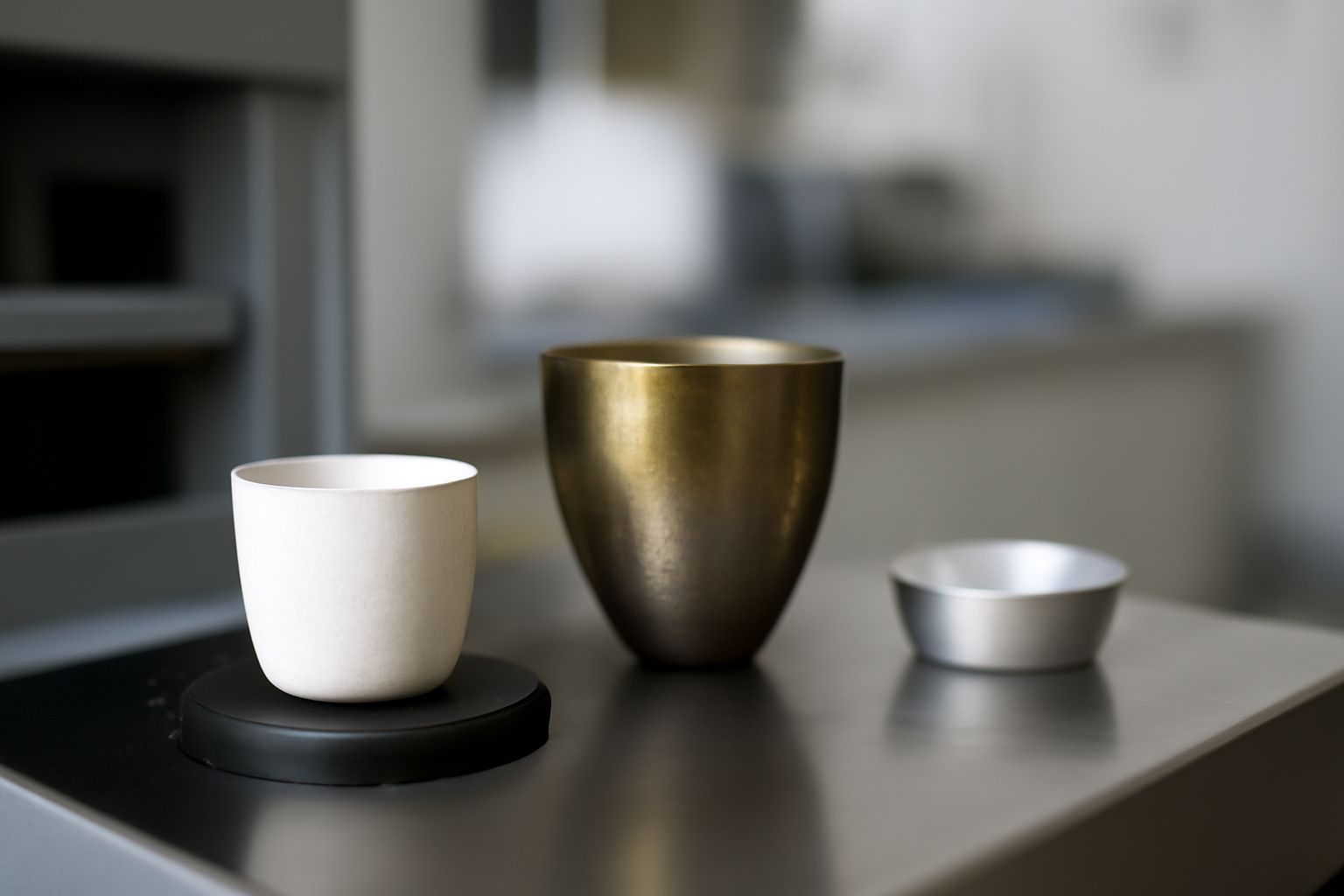
I have experienced how different samples and unique lab controls require thoughtful crucible choices. Learning from previous projects and industry benchmarks helped me solve difficult situations and maintain high data quality for specialized tests.
Common tests rarely stress your choice, but specialized or harsh environments demand the right characteristics to keep data and equipment safe. Making the wrong match risks lost batches and erratic results.
Testing extreme temperatures, highly corrosive chemicals, volatile mixes, or tiny sample sizes all require a crucible with unique attributes for each condition.
| Scenario | Needed Characteristic | Why It Matters |
|---|---|---|
| High-Temperature Operation | High melting point and thermal stability | Prevents warping or sample contamination (melting point info) |
| Chemical Analysis | Chemical inertness and corrosion resistance | Stops unwanted reactions or etching of surface |
| Volatile Compounds | Precision-fit lid and consistent seal | Retains sample and avoids loss of volatiles |
| Micro Quantities | Low background, high dimensional precision | Makes small signals readable and repeatable |
I once selected a platinum pan for a test with aggressive solvents. It protected both equipment and data, which a standard aluminum pan could not do.
Each lab must face changing client samples, instrument upgrades, and new safety rules. A one-size-fits-all mindset limits project success and fails on challenging runs.
Adapt by reviewing each test’s temperature, chemical, and timing requirements. Use supplier specification sheets, and do quick pilot runs with different crucible types as needed.
| Condition | Selection Factor | Best Choice |
|---|---|---|
| Frequent Thermal Cycling | Thermal shock resistance, crack resistance | Alumina, high-performance ceramics |
| Long Reaction Times | Ability to resist slow chemical attack | Platinum, ceramic composite |
| Fast Heating/Cooling | Low thermal mass, rapid heat exchange | Thin-walled aluminum or micro-pans |
| Pilot Testing | Supplier samples, quick turnaround | Order test packs with varied materials |
I switched to test packs supplied by the vendor and found our approval process for new projects much faster and more reliable.
Real-world trials show how easy it is to miss minor factors that sink a project. Industry studies and field reports can help avoid the same costly mistakes.
The most effective lessons involve tracking failure cases, logging conditions, and consulting experienced suppliers who know cross-industry solutions for specific pan needs.
| Industry | Lesson Learned | Best Practice |
|---|---|---|
| Aerospace | Aluminum pans failed at high thermal loads | Switch to platinum for all stress screening (platinum benefit) |
| Pharmaceutical | Insufficient inertness affected analytical outcome | Tighten supplier specs, require certified purity |
| Metallurgy | Cracking after rapid cool-down cycles | Use thicker ceramics, plan slow cool steps |
| Nanotechnology | Signal drift from impure pans with tiny mass | Request batch test data, fine-tune specs |
Learning from a pharmaceutical audit, I now request batch certificates for high-purity samples to avoid regulatory issues in similar future projects.
Labs sometimes need to run tests outside usual specs—higher heat, new solvents, or tests lasting days. Not every crucible can handle such variables.
Unique cases call for matching each material to its specific stress, confirming results with test runs, and getting custom sizes if off-the-shelf pans fail.
| Condition | Crucible Type | Performance Feedback |
|---|---|---|
| Continuous High Temp | Platinum, special alloys | Stable performance, minimal drift after dozens of cycles |
| Aggressive Chemicals | Ceramic blend, high-purity alumina | Minimal etching, long life reported (ceramic info) |
| Extended Run Time (24+ hours) | Thick-walled graphite, specialty composites | Endured repeated runs, but replaced often to avoid residue carryover |
| Trace Sample Quantities | Micro-pans, high-purity metal | Good signal-to-noise, but require careful handling |
My switch to custom ceramic blends for continuous reactor monitoring made data much more stable, even beyond the supplier’s standard rated hours of use.
Selecting the right crucible for each scenario raises measurement quality and project success. Customizing choice to fit sample, method, and environment prevents many common lab problems.
Contact Technical Support

C082.Wangdefu International Building, Furong, Changsha, Hunan, China


+86-19907415020