



SHOPPING CART
Your cart is empty.
shop now
Your cart is empty.
shop now
Many testing labs waste money and time when they miss the details of sample pan specs. Choosing the wrong pans leads to failed tests.
TA Instruments disposable sample pans are made with high-purity aluminum, offering stable thermal conductivity and precise fit. Their material and design ensure reliable measurements for thermal analysis users.
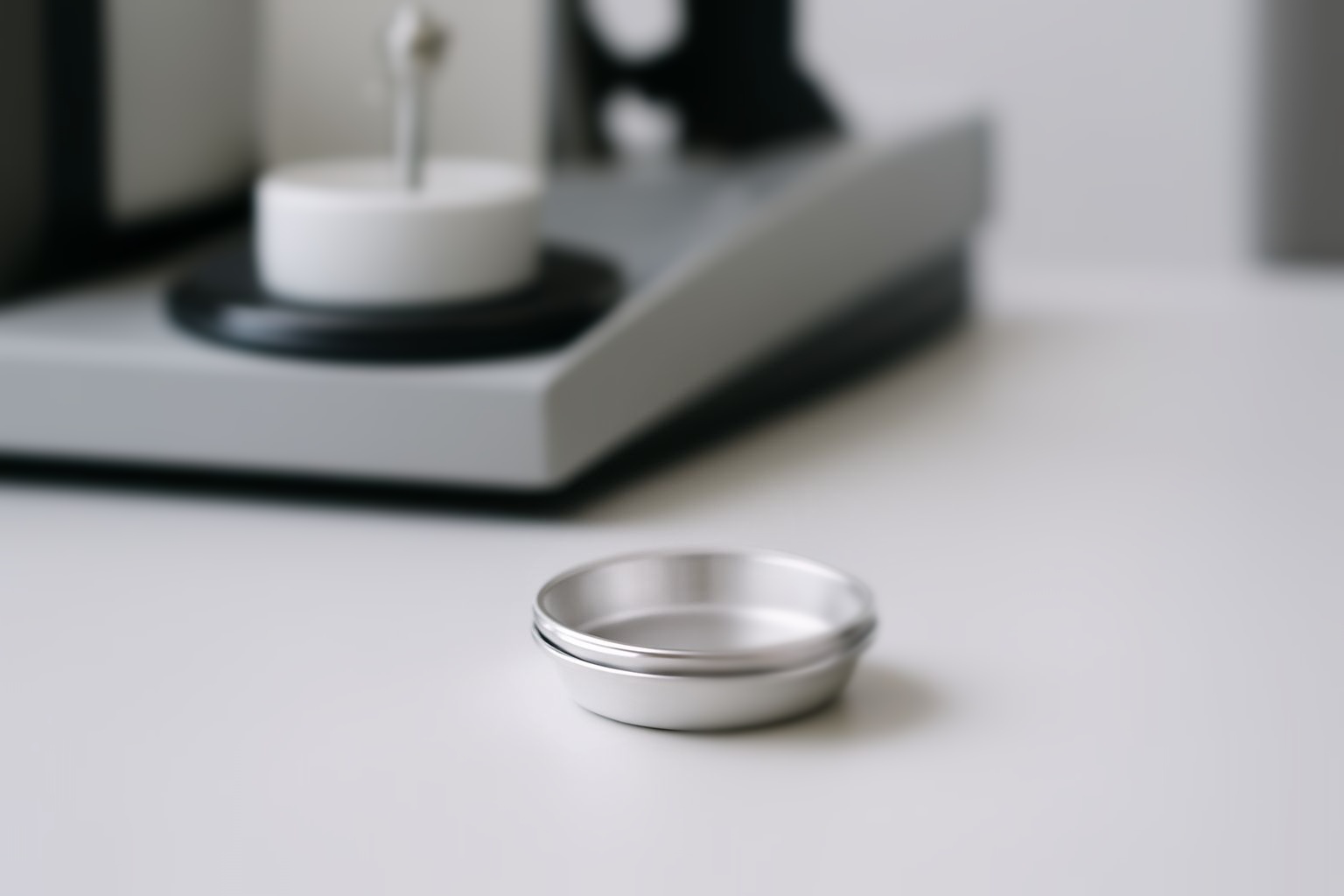
When I started working in a materials lab, I struggled to select the correct sample pans for DSC and TGA testing. Understanding these specs made all the difference in results. Let’s look closely at what matters, step by step.
It is easy to assume all sample pans are alike, but small differences in material can change test outcomes.
TA Instruments pans are mostly made from high-purity aluminum, which offers consistent heat transfer and chemical resistance for accurate thermal analysis.
| Material | Key Properties | Test Applications | Relevant Resource |
|---|---|---|---|
| High-purity Aluminum | Good thermal conductivity, lightweight, non-magnetic | DSC, TGA, most routine tests | Aluminum Overview |
| Platinum | High melting point, inert, durable | High-temp TGA, STA, special research | Platinum Properties |
| Gold-coated Aluminum | Corrosion resistant, improved sealing | Volatile materials, sensitive samples | Gold Coating Use |
| PTFE or PEEK | Chemically inert, lower thermal conductivity | Samples needing chemical resistance | PTFE Explained |
Most labs, including my own, choose aluminum pans for routine analysis because of their balance of cost and performance. However, for corrosive or very high-temperature samples, platinum or gold-coated options may be used.
Find out if pan size matters? Yes, it impacts data quality more than you may guess. Choosing the wrong size can skew results.
TA Instruments sample pans come in several sizes and volumes, each designed for a certain sample weight and thermal test type for reliable testing outcomes.
| Pan Type | Diameter (mm) | Height (mm) | Typical Capacity (mg) | Recommended Use Case |
|---|---|---|---|---|
| Standard DSC | 6.4 | 2.2 | 30-40 | Routine polymer, food, pharma |
| High Volume TGA | 8.5 | 4.5 | 70-100 | High ash, large organic samples |
| Micro Sample Pan | 3.0 | 1.5 | <10 | Precious/rare materials, microanalysis |
| Pressure-Sealed Pan | 6.4 | 2.5 | 35-40 | Volatile samples, organics |
Capacity matters for heat flow measurement and prevents overfilling, which could cause pressure buildup or data error. For example, selecting the correct DSC pan size ensures precise melting point or transition measurement. I learned to always match pan size to sample type and testing range before loading the instrument.
Not all pans fit every device. Compatibility issues can waste samples and hours on repeat work.
TA Instruments pans are engineered mainly to fit their brand’s analyzers but can also be compatible with some major brands if dimensions match specific holders.
| Analyzer Brand | Compatible Pan Types | Special Note | Reference Link |
|---|---|---|---|
| TA Instruments | All standard and hermetic pans | Full compatibility | TA Instruments |
| PERKINELMER | Selected aluminum pans | Check pan thickness, fit required | PerkinElmer Info |
| Some pressure pans | Different sealing design | ||
| NETZSCH | Wide rim pans | Match sample holder size | NETZSCH Details |
In my experience, I never assume cross-compatibility. You must check your thermal analyzer manual for pan specs before buying. Even a minor rim size difference can lead to leaks or reading errors. I always confirm ID, rim type, and closing method with the equipment sheet before ordering.
Testing conditions often push pans to their thermal limits. Exceeding limits ruins tests and pans.
Standard aluminum TA Instruments sample pans generally tolerate up to 600°C. Platinum and special pans can handle much higher, up to 1600°C, covering most laboratory needs.
| Pan Material | Max Continuous Temperature | Typical Application | More Info |
|---|---|---|---|
| Aluminum | 600°C | Routine DSC/TGA | Aluminum Melting Data |
| Gold-coated Aluminum | 580°C | Volatile, sensitive organics | Crucibles |
| Platinum | 1600°C | High-temp TGA/STA | Platinum Use |
| PTFE/PEEK | 260°C / 310°C | Chemical resistance tests | PEEK Info |
I once overheated a standard aluminum sample pan above its safe operating limit, and the results read falsely low because the pan deformed. Always match your pan’s rating with your test method—especially if heating above 500°C. For more demanding runs, platinum pans keep results consistent even at the upper extremes.


C082.Wangdefu International Building, Furong, Changsha, Hunan, China


+86-19907415020