



SHOPPING CART
Your cart is empty.
shop now
Your cart is empty.
shop now
Unexpected errors in thermal analysis can ruin a project. One small mistake with a disposable sample pan may lead to lost data and wasted time.
Sample pan issues are often easy to solve. Most problems come from contamination, improper fit, or pan damage. Careful preparation and checking equipment compatibility stop these issues before they start.
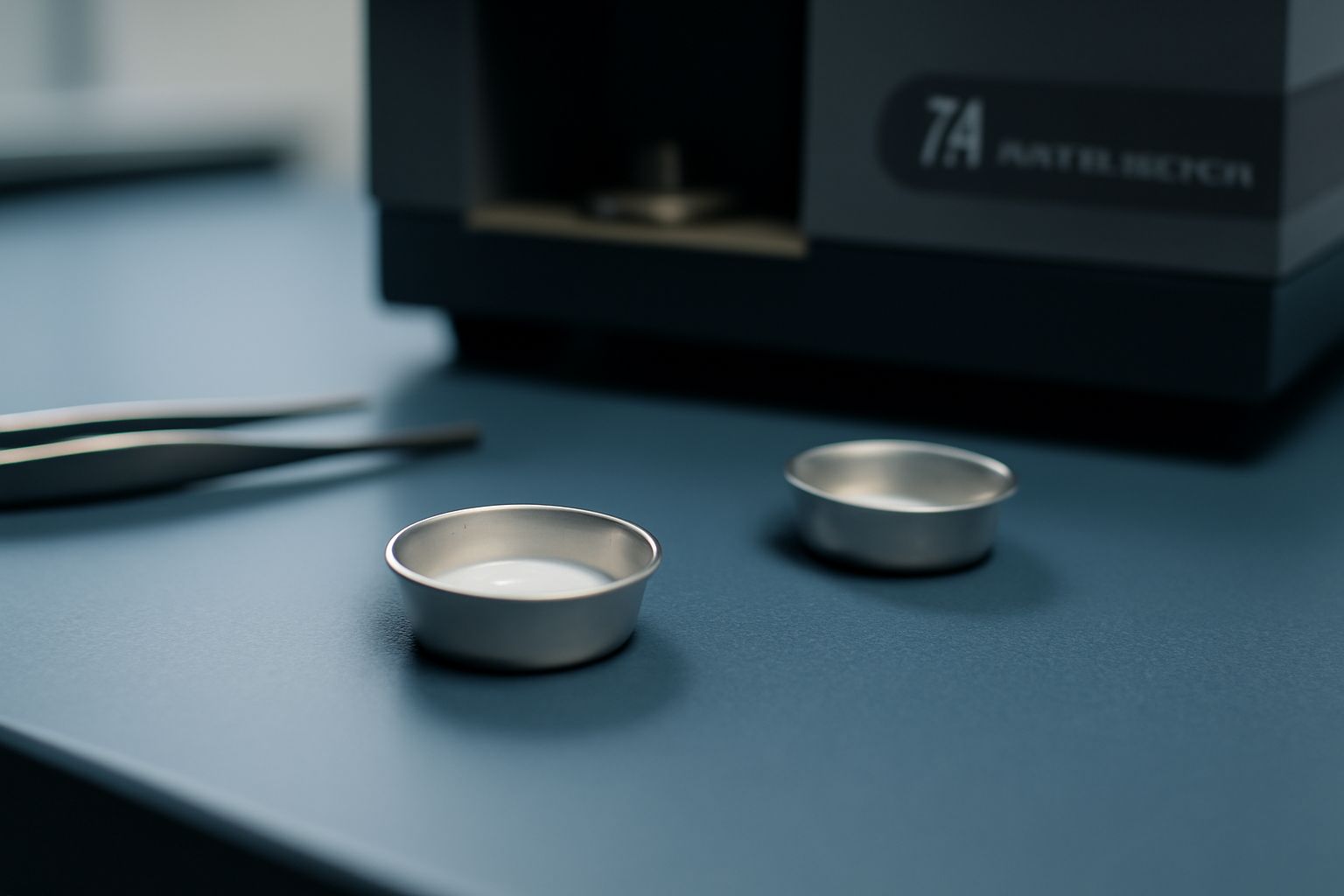
I often see people in labs struggle with pan failures. I have resolved many issues just by focusing on pan cleaning, storage, and sizing details. Step-by-step troubleshooting always helps.
No one likes a failed run. Yet, disposable pans sometimes fail, even if they look new and clean.
A sample pan may fail due to overheating, cracks, improper sealing, or using the wrong material or size for the test conditions.
| Problem | Description | Prevention Method | More Info |
|---|---|---|---|
| Overheating | Exposing the pan to temperatures beyond its rated capacity causes warping or melting. | Always check the melting point of the material. | Thermal Analysis Details |
| Material mismatch | Using a pan material not suitable for the sample or method can trigger reactions. | Match sample’s chemistry with proper pan type. | Pan Materials |
| Improper sealing | Pans not sealed well let volatile components escape or introduce air. | Use the right sealer and follow sealing instructions precisely. | Sealing Research |
| Physical damage | Dent or crack from handling leads to leaks or breakage. | Check each pan visually before use. | Visual Inspection |
Often, I take a moment to inspect each pan. I also make sure not to exceed the melting point of aluminum or other materials when setting up heating programs.
Even a small source of contamination can ruin results. This happens easily if we skip steps in handling or cleaning.
To avoid contamination, always use clean gloves, tools, and work in a dust-free area. Store pans in closed containers until use and handle samples carefully.
| Step | Action | Reason | Reference |
|---|---|---|---|
| Glove Use | Wear clean, powder-free gloves every time. | Protects against skin oil and particles. | Laboratory Gloves |
| Clean Tools | Wipe tweezers and spatulas before each use. | Removes residues from last use. | Tweezers Info |
| Pan Storage | Keep pans in the original closed box or sealed bag. | Minimizes dust and airborne particles. | Consumables Storage |
| Static Avoidance | Avoid handling pans near plastics that create static. | Prevents dust attraction and fine particle transfer. | Static Electricity |
I discovered that most contamination issues trace back to my hands or dusty benches. Now, I always store fresh pans in enclosed boxes and handle them with gloves to improve reliability.
Improper fit wastes time and can cause failed runs. Sometimes, the smallest difference in diameter or rim shape can prevent smooth loading.
If a pan will not fit, stop and compare the pan dimensions to your equipment's specifications. Only use pans verified for your analyzer model.
| Step | Action | Purpose | Guide Link |
|---|---|---|---|
| Verify Pan Code | Check lot and model number on packaging. | Ensures correct product for equipment. | Part Number Guide |
| Compare Dimensions | Measure the pan and compare to analyzer tray diameter and depth. | Catches size mismatches early. | Measuring Tools |
| Inspect Holder | Check equipment holder for debris or damage. | Prevents foreign matter from blocking fit. | Inspection Tips |
| Confirm Compatibility | Visit pan supplier and instrument brand data sheets for model compatibility. | Assures safe and precise fit. | Lab Equipment |
I once received a new batch of pans that seemed just a bit too wide. Measuring with calipers quickly showed the difference. Always measure, not guess, before loading your sample.
Lab work depends on reliable outcomes. Damaged pans will always put this at risk, even if the damage seems minor.
Dents, cracks, or warping in sample pans result in leaks, poor sealing, and errors in thermal analysis data.
| Type of Damage | Effect on Testing | How to Detect | Reference Source |
|---|---|---|---|
| Dented Rim | Improper seal leads to gas escape or oxidation. | Visual check before loading sample. | Mechanical Seal |
| Crack in Body | Sample loss, equipment contamination, and false mass loss readings. | Inspect under strong light for hairline cracks. | Types of Cracks |
| Base Warping | Poor contact with heater or sensor, impacting heat flow accuracy. | Place on flat surface to check wobble. | Level Tools |
| Loose Fitting Lid | Loss of pressure, non-uniform heating, volatile loss. | Gently press with tweezers and listen for movement. | Tweezers Guide |
But once, I missed a small dent in a pan rim, which led to a leaky seal and unexpected results. Now, I use a simple seal check before every run to make sure all pans are perfect for use.


C082.Wangdefu International Building, Furong, Changsha, Hunan, China


+86-19907415020