



SHOPPING CART
Your cart is empty.
shop now
Your cart is empty.
shop now
Experiments often fail because of small problems with DSC sample pans. Many labs struggle with leaks, drift, or contamination in their thermal analysis results.
The most common issues with PerkinElmer DSC sample pans include leaks, contamination, baseline drift, and inconsistent results. Solving these quickly helps maintain accurate and repeatable lab data.
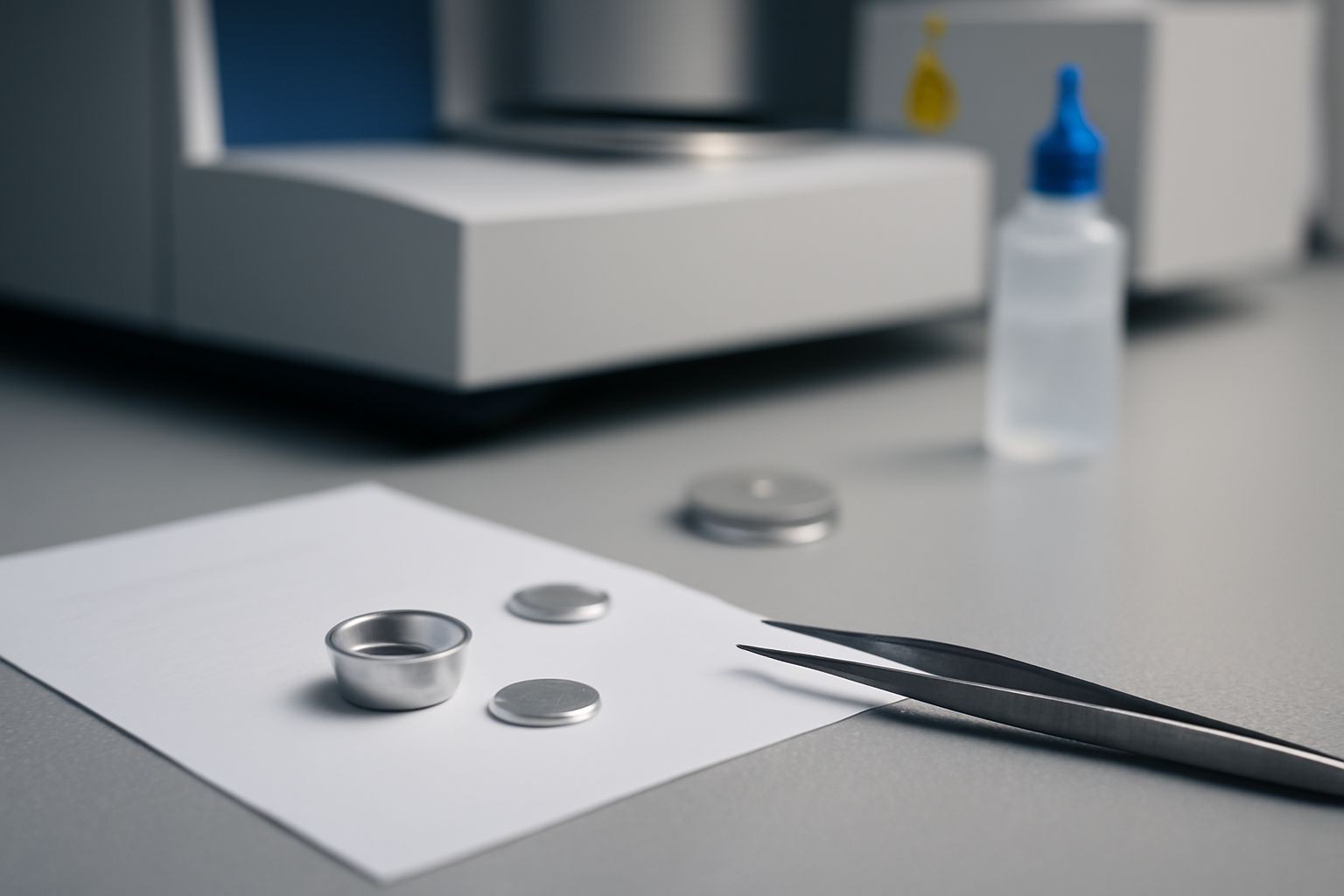
I know from daily lab work that the root cause of most DSC problems is simple: a wrong pan, an overlooked cleaning step, or a loose seal. Good habits and a checklist can save both time and expensive samples. Most problems can be fixed or avoided with a little knowledge up front.
Sample leaks are frustrating and can waste time, money, and valuable material. Leaks usually point to poor sealing or pan damage.
If your DSC sample pan is leaking, check the seal, verify the pan and lid fit, and switch to a new pan if needed. Clean sealing tools and try using a hermetic seal for volatile samples.
| Cause | Solution | Advice/Reference |
|---|---|---|
| Poor Seal or Damaged Rim | Use a new pan, check for dents or warping, reseal carefully | Hermetic sealing offers best leak protection (Hermetic seal) |
| Incorrect Lid Fit | Check lid size and reshape gently if bent | Use correct crimping tools for tightness |
| Volatile or Wet Samples | Switch to hermetic or vented pans as needed | Refer to PerkinElmer sample container guide |
| Dirty Tools or Hands | Clean everything before sealing; wear gloves | Source: Lab safety guidelines (Laboratory basics) |
In my own lab, I once lost a whole batch of samples due to small rim dents I missed. Since then, I always look close and use new pans for sensitive analyses. Leaking often disappears with careful prep and tools cleaned before every run.
Contamination can ruin results and is hard to fix after a test runs. Dirty pans, tools, or the air itself can all introduce problems.
To prevent sample contamination, use clean gloves, new or well-washed pans, and work in a dust-free area at every step. Always check pans for residue before use.
| Contamination Source | Prevention Step | Reference |
|---|---|---|
| Old or Used Pans | Choose new pans or bake used ones at high temperature | See laboratory glassware cleaning tips |
| Dust and Air Particles | Cover work area and keep samples covered | Prepare in low-dust clean zones |
| Fingerprints, Sweat | Wear powder-free gloves at all times | Change gloves after touching other surfaces |
| Residues from Tools | Wipe all tools with solvent or heat-clean before use | Source: Standard lab practice |
One day, after seeing constant baseline noise, I found that careless gloveless handling was the culprit. After I changed my processes and wore gloves, the problem was solved. Even small dust particles can show up in DSC, so cleanliness matters all the time.
Baseline drift makes results unclear and can hide real thermal signals. It is a common complaint in routine DSC testing, especially after maintenance or new pan lots.
Baseline drift can come from inconsistent pan thickness, leftover contamination, or unstable instrument calibration. Running a blank test can help diagnose the source.
| Drift Source | How to Fix | Advice/Reference |
|---|---|---|
| Pan Thickness Variation | Check pans from a new batch; use only batches within manufacturer specs | Uniform thickness for better heat transfer |
| Contaminated Sensor | Clean sensor as per instrument guide | Follow standard maintenance routines |
| Improper Calibration | Recalibrate instrument and run reference samples | Use water or indium standards for recalibration |
| Ambient Environment Fluctuations | Keep lab temperature and humidity stable during testing | Basic calorimeter guidelines apply (calorimeter) |
There was one week I saw constant drift with a new pan shipment. It turned out a new supplier had inconsistent wall thickness. Now I test blank pans before each new order and work only with sources that provide thickness data in their specs.
Inconsistent results waste research time and lower trust in analysis. Such issues are often rooted in sample prep or pan selection.
To address inconsistent results, standardize your sample mass, sample placement, and pan type for each test. Always validate new batches and repeat your process with reference materials.
| Problem Area | Action to Take | Reference |
|---|---|---|
| Sample Mass | Weigh all samples using an analytical balance | Keep within ±0.1 mg for best accuracy (analytical balance) |
| Sample Placement | Center sample in pan for even heating | Improves reproducibility of melting/transition events |
| Pan Batch Variation | Validate every new lot, compare to reference runs | Keep samples for later cross-check |
| Instrument Settings | Use method files to standardize ramp rates and temperature endpoints | Log every run condition for traceability |
Once, after getting mixed results on a pharma sample, I found that using two different pan types for replicate runs caused the differences. I now keep a pan reference sheet on the bench with all standard settings, so the whole team uses the same type every run.
Most problems with DSC sample pans have simple solutions that save lab time and protect results. Care and a few checks turn frustrating issues into powerful, consistent data.
Contact Us: info@redthermo.com

C082.Wangdefu International Building, Furong, Changsha, Hunan, China


+86-19907415020