


SHOPPING CART
Your cart is empty.
shop now
Your cart is empty.
shop now
Many new users of DSC instruments run into problems that waste both samples and time. Getting reliable data starts with understanding your crucibles.
To fix most common DSC crucible problems, check for contamination, verify crucible type and fit, clean carefully, and replace damaged pans or lids. Better handling means better results and longer instrument life.
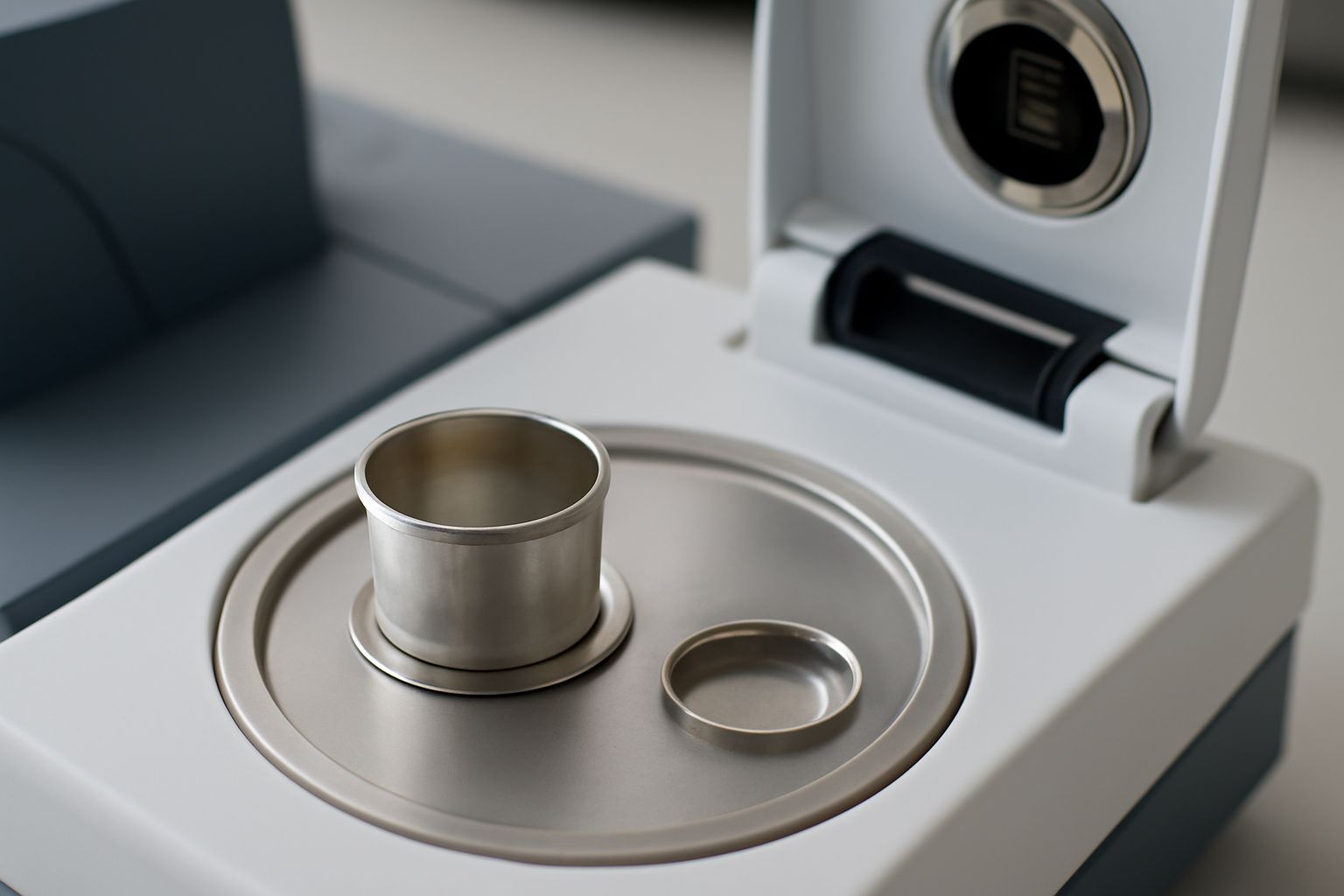
If you've ever wondered why your heat flow baseline is unstable, or why results vary even with new samples, you are not alone. Many beginners face the same issues. Each of these topics below shows how you can quickly diagnose and solve the most frequent DSC crucible problems in your lab.
Sample contamination or shifting data curves can be frustrating, especially when you have strict deadlines. Cleaning seems basic, but it is critical for accurate DSC results.
Most cases of DSC sample contamination happen due to residues from old experiments or using pans made of the wrong material. Always inspect and clean crucibles before every run to avoid bad results.
| Reason | Explanation | Solution |
|---|---|---|
| Leftover Residues | Old sample or reaction residues stay in the pan after a run. | Use suitable solvents and gentle brushing, or replace very dirty crucibles. |
| Wrong Crucible Material | Incompatible or reactive pans (e.g., aluminum with oxidizers) change results. | Match material (like aluminum, platinum, or ceramic) to your sample type. |
| Improper Handling | Using tweezers with dirty tips or touching pans by hand leads to oil, dirt, or residues. | Wear gloves and dedicated tools for each step. |
| Deformed Crucible | Bent or deformed pans cause leaking or inconsistent thermal contact. | Visually check shape and replace any damaged consumables. |
Thorough cleaning is vital. According to published laboratory standards, even minor residues can lead to baseline drift or ghost peaks. This is why I always look for discoloration or sticky spots before each use.
It’s annoying when the sample leaks or spills in the crucible, damaging the instrument and spoiling the run. Small mistakes in sealing or loading make leaks more likely.
Prevent sample spills by filling only the center of the pan, sealing the lid tightly, and using the right press tool. Always check the pan and lid fit before loading.
| Cause | Why It Happens | How to Prevent |
|---|---|---|
| Overfilling | Adding too much sample makes lids sit unevenly. Pressure builds during heating. | Use recommended mass (usually 2-10 mg for standard DSC). |
| Poor Lid Sealing | Lids not pressed enough or at the wrong angle cause leaks. | Press lids with the correct tool and check for a flat, even seal. |
| Damaged Pan | Dents, scratches, or warping stop lids from fitting tight. | Replace any pan or lid showing visible damage. |
| Sample Placement | Putting material off-center can make the lid hard to seal. | Add sample to the center and tap gently for even spread. |
Crucible sealing seems simple, but using a dedicated lid press (see crucible and sealing tools) with the proper force keeps experiments safe and repeatable. Poorly sealed lids can also cause sample loss that ruins data collection.
Sometimes, confusing DSC curves or error messages point to the wrong crucible or loose installation. Many times new users miss these subtle signs and blame the instrument.
Common indicators of wrong crucible type are unexpected peaks, unstable baselines, or physical fit issues. Always match pan size and shape to your DSC model and sample type.
| Indicator | Description | Correction |
|---|---|---|
| Unstable Baseline | Baseline drifts, especially during runs without a sample. | Double-check pan compatibility with your DSC brand (DSC manufacturer guides). |
| Poor Contact | Lifted pans or pans not flat on the sensor hurt thermal transfer. | Ensure snug, flush fit on the sensor support. |
| Physical Mismatch | Pans that are too small or large for the instrument. | Use only sizes listed in manufacturer or supplier specs. |
| Error Warnings | Instrument errors such as "pan not detected" or "lid open." | Reinstall or replace pan as needed, following the manual. |
On my first DSC session, I experienced false endotherms—all because I mixed up a standard and high-pressure pan. Learn your model’s compatible crucibles to avoid costly mistakes.
Trying to save money, I used to reuse crucibles too many times or skip deep cleaning between runs. This caused baseline drifting and poor repeatability.
To keep results reliable, only reuse crucibles if they pass a close inspection, and apply lab-approved cleaning for each new test. Avoid using scratched or deeply stained pans altogether.
| Practice | Effect on Results | Best Practice |
|---|---|---|
| Multiple Re-uses | Surface scratches or micro-cracks build up, trapping contaminants and shifting baselines. | Limit re-use cycles, especially for cheap or soft-metal pans; prefer new pans for sensitive tests. |
| Quick Cleaning | Surface film or oils left behind impact heat flow data. | Use ultrasonic bath or bake out in oven (see ultrasonic cleaning), plus solvents as needed. |
| Visual Inspection | Some cracks are too small to see but still affect use. | Look under strong light, check with a magnifier; discard pans with any damage. |
| Ignoring Manufacturer Advice | Using non-recommended cleaning agents sometimes ruins pan surface chemistry. | Follow supplier’s protocols. Many vendors have specific tips for their DSC pans. |
One survey in academic labs showed that regular pan replacement cut error rates in half. For quality data, do not cut corners on cleaning or re-use.


C082.Wangdefu International Building, Furong, Changsha, Hunan, China


+86-19907415020