



SHOPPING CART
Your cart is empty.
shop now
Your cart is empty.
shop now
Worried about your affordable DSC pans losing performance fast? Learn how to protect them, get stable measurements, and save on replacements with a few easy daily habits.
You can maximize your budget DSC pan lifespan and reliability by careful cleaning, precise crimping, consistent checking, and proper handling before and after experiments. Follow these top 10 strategies below.
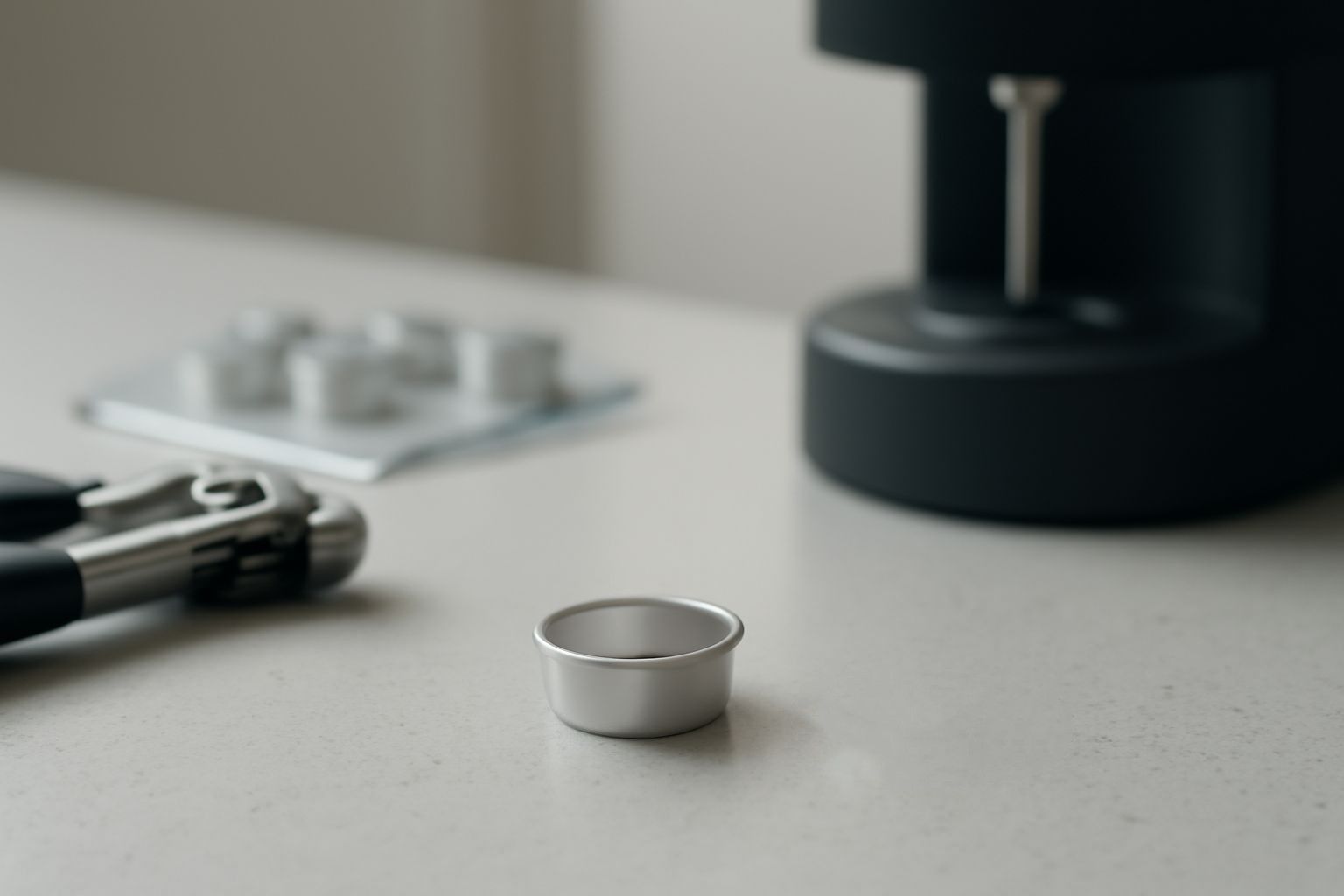
Many people think low-cost DSC pans are risky or short-lived, but that is not always true. When you take a little care with cleaning, sample loading, and checks, even budget pans will deliver reliable data. Here is how to stretch your pan budget and keep your experiments on track.
Cheap sample pans may not last if they stay dirty. Contaminants, residue, and scratches all shorten lifespan or ruin data. You want a pan to last for several experiments when possible, saving money and reducing waste.
Always clean pans after each run using lint-free wipes, mild solvents like isopropanol, and a soft brush. Avoid abrasives that scratch soft metals. Dry pans fully to prevent corrosion.
| Step | Reason | When to Use | Notes |
|---|---|---|---|
| Wipe residue | Removes sample leftover and avoids mixing | Every cycle | Use lint-free cloth |
| Solvent rinse (Isopropanol) | Dissolves oils, light deposits | After each run | Always use in ventilated area |
| Dry and inspect | Prevents rust, stains | End of cleaning | Air or gentle heat |
| No abrasives | Prevents scratches | Every cleaning | Scratches cause hotspot errors |
DSC pans, especially those made from aluminum, are soft and easily scratched. Any surface defect will increase the risk of measurement drift or offsets. Some users also try sonication, but test that first with your pan alloy to avoid pitting.
Poor seals will leak or lose sample, making your thermogram unreliable. Some think a machine does sealing best, but with affordable pans, the technique and tools matter just as much as price.
Always use matched crimper tools for your pan set. Check alignment and firmly, not forcefully, press lids to avoid warping and leaks.
| Crimping Tip | Why It Matters | How to Apply |
|---|---|---|
| Choose right tool | Ensures proper seal and shape | Use pan-specific crimper set |
| Align before press | Prevents uneven pressure and leaks | Double-check pan & lid before crimping |
| Test fit | Checks for loose or too-tight seal | Spin lid lightly after crimping—should not rattle |
| Inspect edges | Detects cracks or pinholes | Use magnifier after each crimp |
Some pans use O-rings or special vented lids—always follow your supplier's protocol or see compatible equipment guides before running. You can find pan compatibility charts and much more on leading DSC equipment vendor sites.
If you skip tests, you may not catch small leaks or errors until your real sample fails. Checking pans quickly before use saves you from re-runs and wasted time.
Weigh each pan and lid set empty. Confirm expected weight and no debris. Run an empty baseline heating to catch leaks or ghost peaks.
| Test | Purpose | Frequency | What to Watch For |
|---|---|---|---|
| Weighing (to 0.01 mg) | Checks pan match and lid fit | Before each run | Extra mass—may indicate stuck debris |
| Dry-run cycle | Detects baseline drifts, leaks | Every batch | Unexpected endotherm/exotherm |
| Reference check (Indium/Baseline) | Confirms calibration, seal | Weekly or when changing pans | Melting point drift or shoulder |
If you ever find a mass anomaly or get an unexpected baseline peak during these verification tests, isolate the pan and check for contamination or sealing issues. Reliable performance always starts with these short checks. Sources: METTLER Lab Guide, Thermo Fisher Application Notes.
Reusable pans save money but may carry old residues or react with new samples. Cross-contamination, even trace, ruins the trust in your results—especially with sensitive samples.
Store pre-cleaned pans in sealed dust-free boxes. Use only one pan per experiment type when possible, and record each pan's use history to spot issues fast.
| Action | Why It Helps | Implementation Tip | More Info |
|---|---|---|---|
| Dedicated storage boxes | Keeps pans clean between uses | Label each box for pan type/experiment | Contamination control |
| Log every use | Tracks contamination risk and pan age | Keep a simple log (notebook or digital) | |
| Single-use for organics/volatile | Avoids residue carryover | Reserve new pans for sensitive runs | Most DSC protocols recommend this |
If you ever suspect drift, compare the pan's recent logs and consider a control sample. Regular replacement and tracking means even economical pans remain a trusted option for most calorimetry uses. Source: ASTM E967-08 Standard Guide for DSC Usage.


C082.Wangdefu International Building, Furong, Changsha, Hunan, China


+86-19907415020