


SHOPPING CART
Your cart is empty.
shop now
Your cart is empty.
shop now
Lab results depend on more than methods—selecting poor-quality DSC pans or unreliable suppliers quickly leads to failed experiments and budget stress for research teams.
Smart sourcing of heat-resistant pans for DSC involves checking instrument compatibility, verifying material standards, and comparing supplier reliability and pricing to ensure consistent experimental quality at optimal costs.
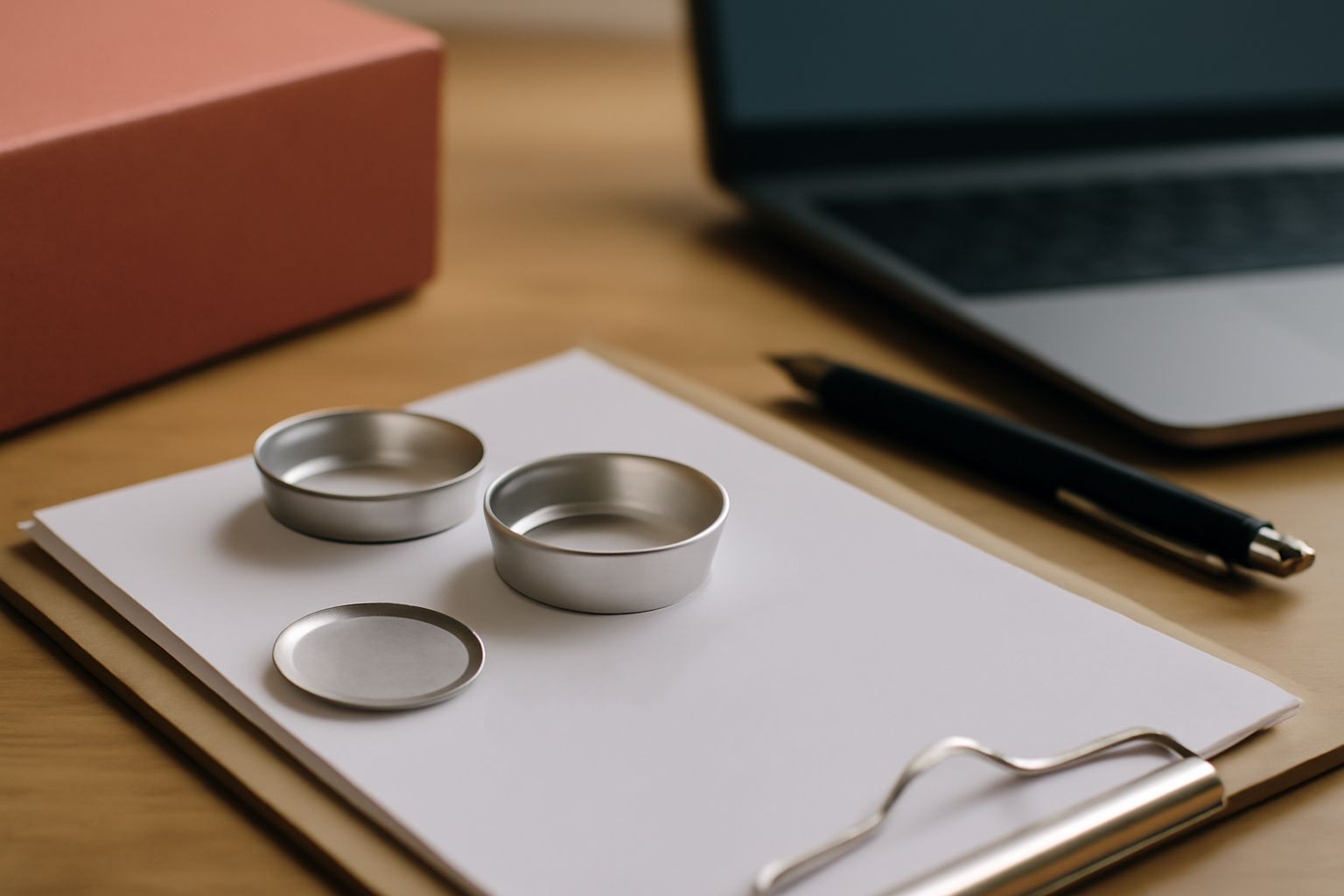
I often evaluate DSC supplies for labs balancing precision, cost, and urgent deadlines. A structured procurement approach—focusing on compatibility, supplier service, and documented standards—makes all the difference. In this article, I use my experience to explain how to buy the right pans and avoid common market pitfalls.
Locating a trustworthy supplier can be a challenge, especially for smaller labs without established vendor networks. Wider options now appear online but are not all equal in value.
Labs should look for specialized scientific suppliers of DSC consumables, reputable OEMs, and expert companies like REDTHERMO that offer both compatibility guides and technical support.
| Vendor Type | Key Advantages | Ordering Channel | Extra Info |
|---|---|---|---|
| Specialized scientific suppliers | Deep technical documentation, model-specific pans | Direct order, online, or by email/phone | REDTHERMO |
| OEM/brand direct | Certified compatibility, extended warranties | Official webstores or distributor networks | OEM |
| General lab supply houses | One-stop shop, bulk options, easier logistics | Procurement portals, catalogs | Lab supply |
| Online marketplaces | Buyer reviews, quick comparison, convenience | Marketplace platforms, third-party sellers | Online marketplace |
In practice, I suggest specialized suppliers for high-priority projects or unique DSC models. General platforms can fill routine or teaching needs but may lack thorough compatibility information. Reliable vendors back their products with technical help and offer trial samples if asked.
Missing a technical detail, like incorrect pan size or poor purity, creates more work fixing failures than in the initial purchase. I have seen labs throw away months of data this way.
Key factors include DSC instrument compatibility, thermal and chemical stability, pan certification, supplier support, shipping speed, and pricing with warranty or guarantee.
| Consideration | Why It Matters | Data Point/Decision Tool | Reference |
|---|---|---|---|
| Instrument compatibility | Protects equipment, ensures proper fit | Model-matching guides | REDTHERMO Guide |
| Material standard | Supports stable and repeatable test results | Purity and specification certificates | COA |
| Supplier reputation | Deals with issues quickly, stocks fast-moving models | Peer lab reviews, published feedback | Review site |
| Delivery options | Ensures stock for time-critical experiments | DHL/UPS speed, in-stock policy | Express mail |
I created a checklist for every new project, starting with compatibility. Certificate of Analysis (COA) requests and peer group comparisons save resources in the long run. Quick delivery options allow for last-minute schedule changes that are common in my university work.
The differences between brands may be subtle until a failure exposes the weakest link in the supply chain. Comparing metrics matters before signing long-term contracts.
Comparison should be based on product fit, quality documentation, technical support, cost per unit, availability, shipment speed, batch consistency, and flexibility for project needs.
| Supplier Aspect | Evaluation Metric | Typical Range | Further Resource |
|---|---|---|---|
| Product fit and material grade | % first-run pass rate, COA offered | 98–100% for reliable vendors | Purity |
| Tech support and documentation | Availability of quick response (hours/days) | 2–24 hours; varies | Tech support |
| Pricing and MOQ | Per pack, by lot size, custom order options | Varies by order size; ask for sample/test set | MOQ |
| Delivery and restock time | Standard lead/delivery time | 1–7 days (in-stock express) or up to 3 weeks (backorder) | Lead time |
For my projects, I prefer vendors that clarify lead times and minimum order quantities up front. Batch-to-batch consistency and responsive support become particularly valuable on tight research timelines. Some brands take weeks to respond; others send replacement parts with next-day couriers. Prioritize what matters to your timeline and experiment needs.
Cost pressure pushes many labs to examine alternatives to OEM pans. Finding balance between affordable price and solid technical performance is key for efficient procurement.
Economical options include third-party pans that match OEM specs, bulk packages, or supplier promotions. Always check certification before switching to new brands for routine or high-value tests.
| Option Type | Benefit | Use Case | Reference |
|---|---|---|---|
| OEM alternatives (certified compatible) | Up to 50% cost savings, similar reliability | Routine screening, teaching labs | OEM info |
| Bulk purchase packs | Lower per-unit price for large or multi-term needs | Core classes, industrial-scale screening | Bulk purchasing |
| Promotion/trial bundles | Test fit/new vendor before bulk order | Small research groups, new device setup | Sample packs |
My best cost savings happened when sourcing compatible pans from trusted third-party brands, but I always confirmed with an initial test batch. Even for budget solutions, I watch for COA, lead time, and support documentation. Rule out the lowest bidders if technical guarantees or support are missing.

C082.Wangdefu International Building, Furong, Changsha, Hunan, China


+86-19907415020