



SHOPPING CART
Your cart is empty.
shop now
Your cart is empty.
shop now
Many labs face unexpected errors or lost samples when DSC pans do not fit or function as planned. These problems slow down testing and increase costs in busy research facilities.
The most common DSC pan compatibility issues involve size mismatches, inconsistent materials, and design differences between brands. Knowing these challenges helps labs select pans that work well with their equipment and keep experiments reliable.
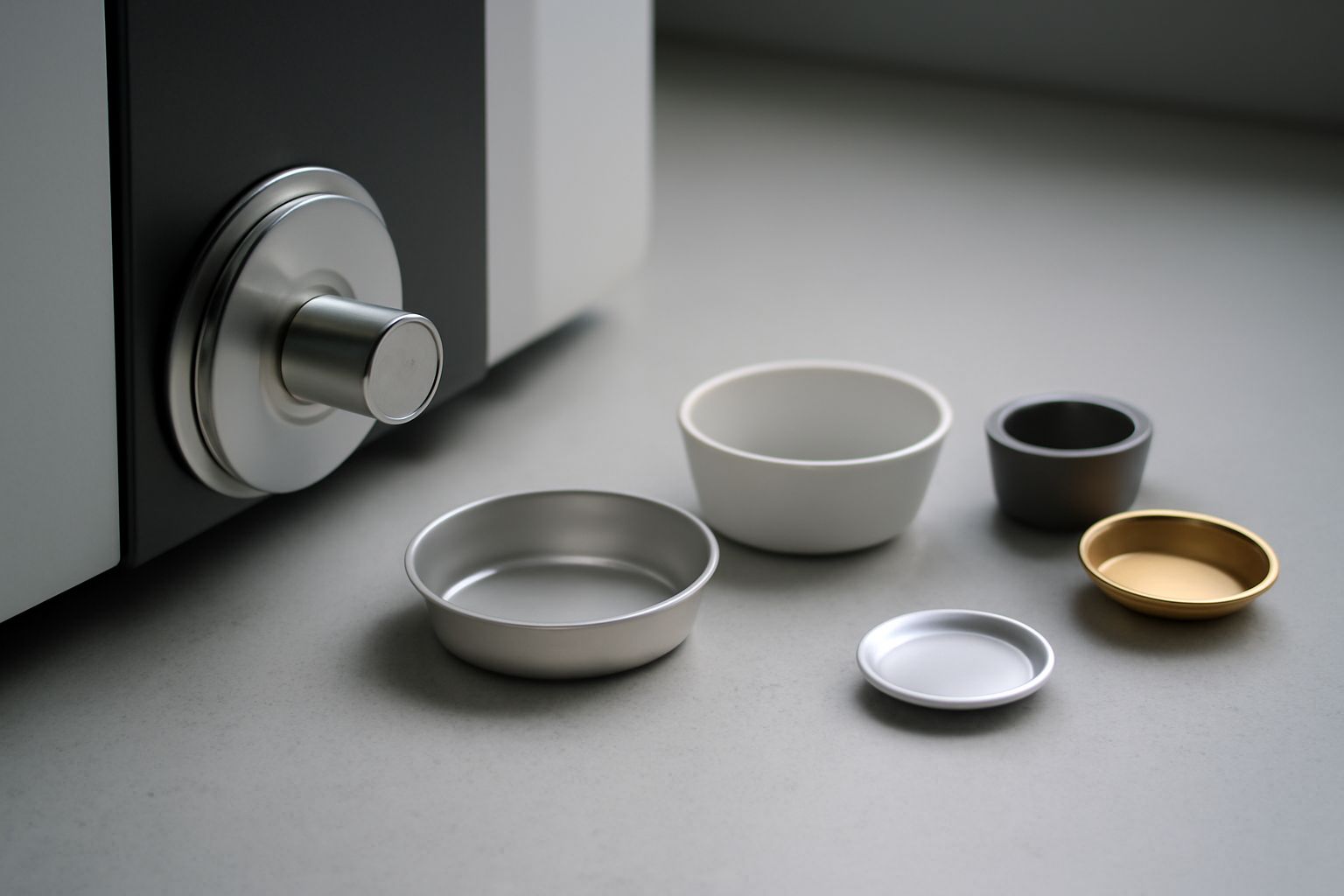
I have worked with teams who missed deadlines due to compatibility failures. It is important to spot problems early and choose solutions that fit your needs. Here, I break down frequent issues, troubleshooting steps, and lasting fixes used in top-performing laboratories.
Poor fit or mismatched pans disrupt many tests each year. Missing technical details and buying errors cause unexpected breakdowns in thermal analysis.
Frequent compatibility problems include diameter mismatches, lid sealing issues, pan deformation at high temperature, and material incompatibility with the instrument’s sensors or software automation.
| Issue | Description | Consequence | Reference |
|---|---|---|---|
| Size Mismatch | Pan is too large/small for DSC holder | Automation fails, pan jams | DSC |
| Poor Sealing | Lid not sealing, leaks gas/sample | Lost sample, out-of-spec data | Hermetic Seal |
| Deformation | Pan melts or distorts at test temperature | Data drift, device contamination | Heat Resistance |
| Material Incompatibility | Pan metal/reactivity mismatched to instrument | Sensor errors, false results | Material Compatibility |
I have seen projects affected when the wrong pan diameter stopped an auto-sampler for the whole afternoon. Properly reading measurements, choosing the right seal type, and using pans tested for high temperature avoids wasted time and rework. Always consult the manufacturer’s specification before bulk purchases for any new DSC instrument setup.
Instrument brands have unique holder designs and automation. A mismatch can show up as rejected pans, failed seals, or stuck carousels.
Troubleshooting starts with a direct check of pan and holder measurements, then moves to lid shape, sealing method, and material. Comparing pans to official technical sheets for each brand helps catch problems early.
| Step | Action | Benefit | Reference |
|---|---|---|---|
| Measurement | Use a micrometer to check pan dimensions | Matches pan with holder and auto-sampler | Micrometer |
| Compare Tech Sheets | Check spec drawing for each brand/model | Avoids incompatible lots | TA Instruments |
| Test Seal Fit | Try multiple lid types for seal/pry | Improves data quality, especially for volatiles | Lid |
| Check Material | Match pan and instrument for reactivity/heat tolerance | Prevents warping, sensor error | Material Properties |
In my work, I found many cross-brand issues stemmed from confusion between metric and imperial measurements for pan diameter. Always keep documentation for each pan batch. On a test run, solve most fit problems by switching to universal pans or consulting support for alternative lids or holders.
If no pan fits, you can still keep experiments on track. Labs often need fast fixes to bridge the gap between models or suppliers.
Solutions for non-compatible pans include using universal pans, laboratory adapters, seeking a custom batch, or sourcing third-party brands known for multi-model fitting. All require careful review of technical documentation.
| Solution | Main Use | Limitation | Reference |
|---|---|---|---|
| Universal Pans | Work with many devices, reduces inventory | May not suit all advanced tests | Universal Design |
| Adapters | Allow use of non-standard pans on branded holders | Extra parts reduce thermal transfer | Adapter |
| Custom Orders | Manufacturers match to instrument or workflow | Lead time/cost higher | REDTHERMO |
| Third-Party Sources | Offer multi-brand compatible pans | Documentation may vary | OEM |
I worked with a quality team who had to run urgent tests on new equipment before the standard pans arrived. They used adapters and ordered a custom batch that arrived within days. Even modest fixes can get analysis back on schedule, so it is useful to know every available option and test with samples before decision.
When none of the ready-made options is a perfect fit, small adjustments or setup changes can make a huge difference. Labs now use flexible solutions for changing equipment needs.
Adjustments include using shims, modifying lid crimp force, setting new automation parameters, or working directly with a supplier to change dimensions in new batches. Always document every tweak for compliance and repeatability.
| Adjustment | Description | Application | Reference |
|---|---|---|---|
| Shims/Spacers | Small inserts to align pans | Helps with mismatched holder/pan height | Shim |
| Crimp/Seal Adjustment | Change sealing tool or settings | Achieves reliable closure | Crimp |
| Automation Parameter | Adjust device for non-standard pans | Keeps auto-sampler from jamming | Automation |
| Batch Redesign | Supplier alters size or shape for your workflow | Future-proof for new devices | Industrial Design |
In one project, changing the automation setting allowed the same batch of pans to run on two types of DSC without jams. Good documentation of each modification and a trial batch help prevent mistakes. Labs can maintain standard methods and stay productive by applying these adjustments as equipment or testing needs evolve.
By knowing standard issues and fixes for DSC pan compatibility, labs can avoid downtime, protect data, and keep experiments running smoothly in demanding research environments.
Solve Your DSC Pan Issues – Contact REDTHERMO

C082.Wangdefu International Building, Furong, Changsha, Hunan, China


+86-19907415020