



SHOPPING CART
Your cart is empty.
shop now
Your cart is empty.
shop now
Most lab budgets push for cost-saving tricks, but cutting corners by reusing crucibles may damage your data and even your DSC equipment.
While it is sometimes technically feasible to reuse DSC crucibles, especially depending on the material and careful cleaning, most standard crucibles—especially aluminum—are designed for single use to avoid contamination and maintain test accuracy.
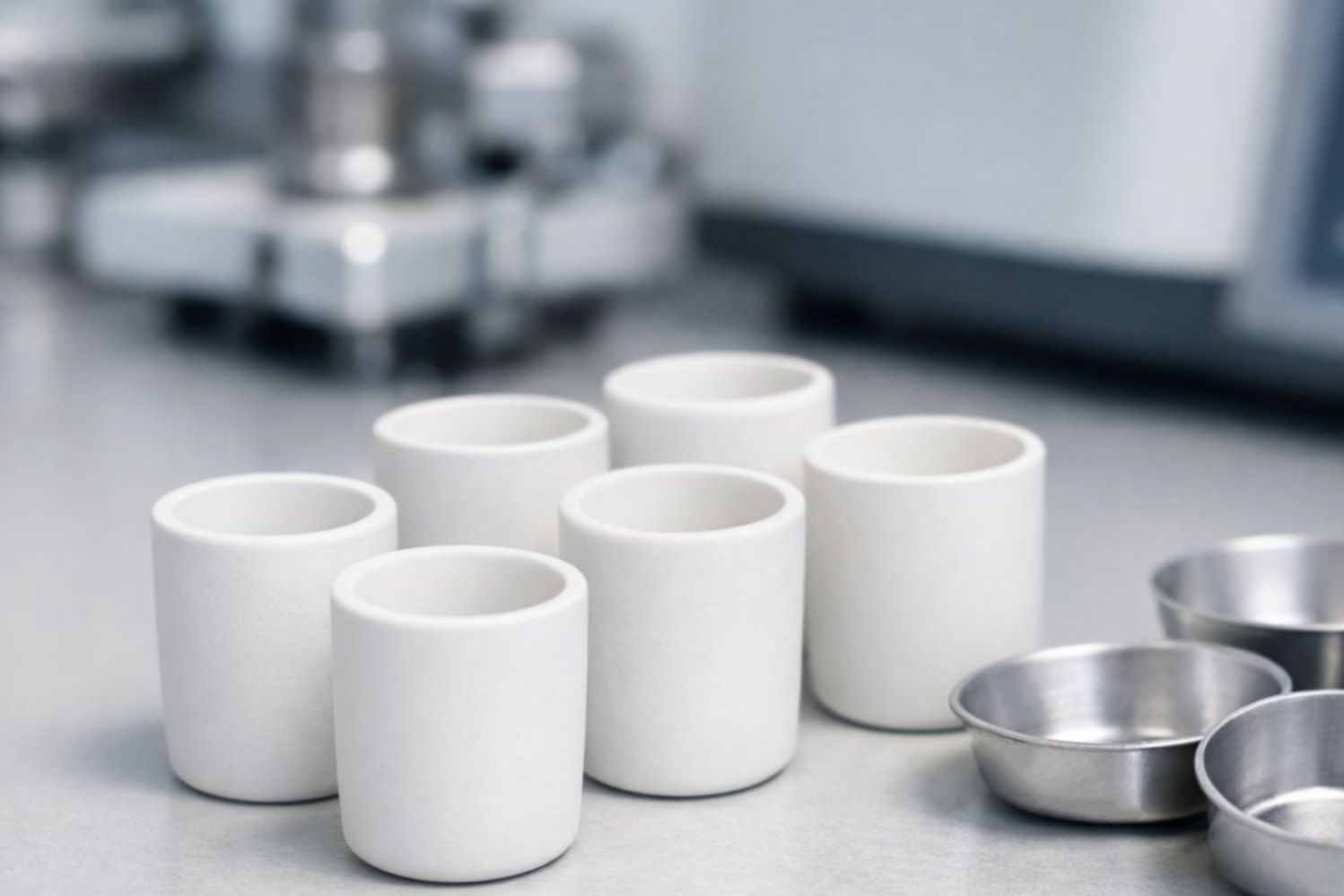
There was a time when I thought reusing crucibles would save time and money. I learned the hard way that even small residues can throw off sensitive tests. Let's break down what your crucible is made of, clean-up methods, and real risks if you try to reuse them. The more you understand your crucible, the easier it is to decide.
Not all crucibles are alike. Picking the right one for the test means knowing the exact material and construction.
DSC crucibles are commonly made from aluminum, platinum, or ceramic. The material determines reusability, compatibility with samples, and resistance to contamination or damage.
| Material | Common Use | Reusability | Reference |
|---|---|---|---|
| Aluminum | Routine polymer, pharmaceutical samples | Usually single-use | Aluminium |
| Platinum | High-temperature or corrosive analysis | Designed for frequent reuse | Platinum |
| Ceramic | Chemically aggressive or high-temp samples | Sometimes reusable, but cleaning is critical | Ceramic |
My experience is clear: platinum and some ceramic crucibles are made with practical reuse in mind. Aluminum crucibles are not. Before you try reusing any crucible, always check the manufacturer's specs and think about what was in it before.
Aluminum crucibles seem sturdy, but after one test, their inside surface can carry invisible residue or show tiny wear.
Reusing aluminum DSC crucibles is possible but not recommended, as small contamination can affect sensitive measurements and reproducibility.
| Situation | Feasibility | Main Concern | Reference |
|---|---|---|---|
| General DSC use | Technically possible | Risk of cross-contamination | DSC |
| Polymer testing | Not advisable | Sample residue may cause data drift | ASTM D3418 |
| Non-critical measurements | Sometimes allowed (internal QC, training) | Still risks altered baseline | Aluminum pans |
I did try to reuse aluminum crucibles for simple demo runs, but for all paid research or regulated work, single-use remains the safest call. Most labs follow the same practice.
Even when reuse is possible, skipping proper cleaning exposes every future test to risk. Responsible cleaning matters for any reused crucible.
Use suitable solvents and ultrasonic cleaning, then inspect visibly and by touch. Never reuse a crucible with any residue, warp, or corrosion.
| Cleaning Step | Purpose | Critical Advice | Reference |
|---|---|---|---|
| Solvent rinse | Remove organic residue | Choose solvent based on sample type | Solvent |
| Ultrasonic cleaning | Eliminate fine particles | Use mild, non-abrasive bath | Ultrasonic cleaning |
| Drying/inspection | Prevent water spots, detect defects | Inspect for dents, stains, warps | Quality control |
I noticed my best results were with platinum crucibles that survived multiple cleans. For every other type, a flawed cleaning job is worse than discarding and starting fresh.
The risk of error and failed experiments goes up each time a used crucible runs a new analysis. Cross-contamination remains a tough problem.
Risks of reusing DSC crucibles include sample contamination, inconsistent results, damage to sensitive equipment, and possible regulatory audit failures.
| Risk | How It Manifests | Possible Outcome | Reference |
|---|---|---|---|
| Cross-contamination | Old residue affects new sample | Inaccurate peaks, failed tests | Sample contamination |
| Instrument damage | Leaked sample or corroded pan | Sensors or cells need repair | DSC |
| Audit issues | Lack of single-use records | Regulatory problems, extra paperwork | Quality assurance |
A costly test run got me in trouble once due to contaminated reused pans. Cleaning costs time and does not always solve the problem. Single-use makes life much easier, especially for any regulated data.
Reusing DSC crucibles is sometimes possible, but the risks of contamination, equipment damage, and data loss make single-use best for most laboratory work.


C082.Wangdefu International Building, Furong, Changsha, Hunan, China


+86-19907415020