



SHOPPING CART
Your cart is empty.
shop now
Your cart is empty.
shop now
I see more labs asking for products that go beyond performance, focusing on safety and sustainability. The days of single-use plastics and single-format pans are moving out fast.
The future of DSC and TGA consumables is driven by advanced materials, digital design, and eco-friendly features, helping labs stay efficient, responsible, and ahead of industry changes.
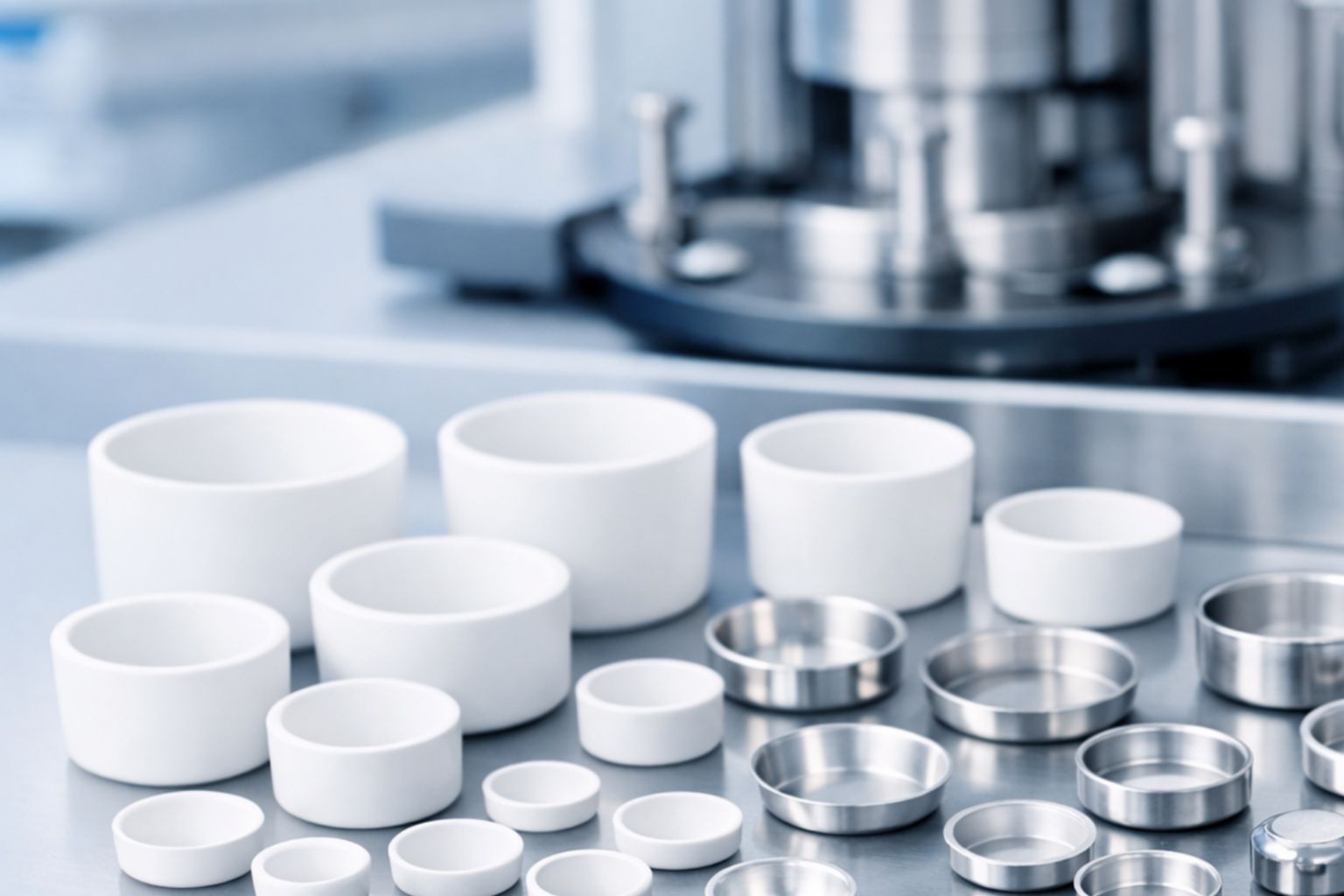
Every year brings new innovations to thermal analysis. My discussions with clients trend toward digital compatibility and environmental performance. Whether you are specifying a tender or upgrading your workflow, understanding the biggest trends in consumables will keep your lab competitive and compliant. Let’s dive into what’s shaping the next generation of laboratory accessories.
The materials behind consumables now drive both performance and ESG goals. I have watched demand shift from cheap bulk metals to advanced, hybrid, and greener solutions.
New trends include hybrid metals, specialized ceramic blends, bioplastics, and surface coatings that boost resistance and purity—even under stress or contamination threats.
| Material Trend | Main Advantage | Application Example | Industry Reference |
|---|---|---|---|
| Bioplastics | Renewable, compostable | Disposable sample trays, lids | Eco packaging, pharma |
| Hybrid Ceramic-Metal | Extreme resistance, purity | High-temp or strong acid work | Lab equipment |
| Anti-adhesive Coatings | Fewer cross-contaminations | Sticky or volatile organics | Surface science |
| Traceable Alloys | Batch tracking, QA support | Audited environments | Traceability |
Procurement journals report bioplastic demand up 19% over the past year for single-use laboratory goods. Modern QA managers require verified sourcing on all alloy and polymer content.
Environmental responsibility now shapes how labs choose everyday supplies. I have helped clients switch to recycled or compostable pans to meet both policy and internal ethics.
Eco-friendly consumables cut lab waste, help meet regulations, and sometimes improve cost efficiency through bulk shipments and supply chain incentives.
| Product Type | Environmental Benefit | Lab Use | Growth Driver |
|---|---|---|---|
| Recycled Trays | Less landfill, recycled plastics | Routine DSC/TGA | Green lab policies |
| Compostable Lids | Breaks down post-use | Disposable analysis kits | Government incentives |
| Bulk Eco Packaging | No foam, less cardboard | Bulk ordering, storage | Cost reduction |
| Sustainable Sourcing | Ethically-made, renewable input | Full supply chain | ESG goals |
Within modern purchasing reports, eco-friendly consumables now account for 35% of quoted lab tenders, a trend driven by client requests and internal ESG targets.
Labs today demand speed, cost control, but also tailored solutions for advanced materials. I’ve watched standardized parts speed up inventory while niche projects always spark demand for custom runs.
The market balances standardized lines for repeat tests with a growing option for custom volumes, geometry, and smart accessories for tough samples or new techniques.
| Strategy | When Used | Benefit | Reference |
|---|---|---|---|
| Standardization | Routine production, audit labs | Faster, cheaper, easier stock | Supply chain catalogs |
| Customization | Unique sample shapes, R&D | Science progress, matches instrument | User-driven demand |
| Hybrid Approach | Production labs with research wing | Balances volume and new methods | Market analysis |
| Just-in-Time Inventory | Large multiproduct labs | Low wasted stock, fast response | Lean management |
Recent supply chain research suggests standard and custom lines are growing together, each filling a separate lab need (Source: Laboratory Product Market Study, 2024).
The DSC and TGA consumables market grows by embracing new materials, sustainable options, smarter designs, and flexible strategies. Labs that adapt quickly will lead future innovations.

C082.Wangdefu International Building, Furong, Changsha, Hunan, China


+86-19907415020