



SHOPPING CART
Your cart is empty.
shop now
Your cart is empty.
shop now
Laboratories and manufacturers are facing new pressures as DSC test pan technology advances faster than ever. Competition and efficiency demands create real challenges and opportunities for those who keep up.
The DSC test pan market moves toward higher precision, quicker delivery, and more sustainable options. Recent innovation now delivers better outcomes for both research and routine thermal analysis.
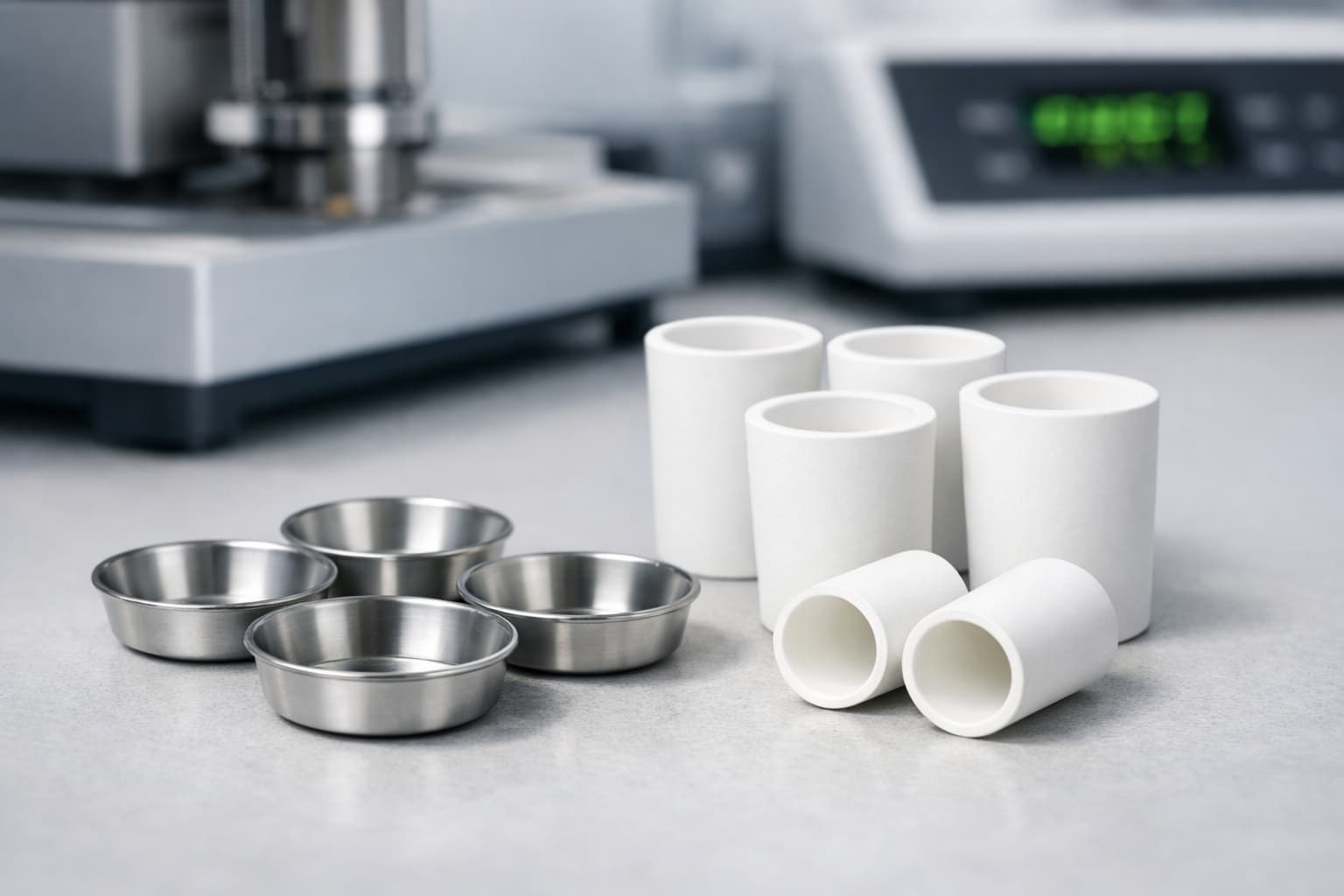
When trends change quickly, missing details may leave you behind. Understanding what is new in DSC sample pans, and what drives demand, helps you make smarter procurement and research decisions. Let’s explore how technology, global demand, regulations, and sustainability all shape today's DSC pan market.
DSC test pans are evolving faster with growing focus on measurement accuracy and ease of use. Users are looking for better pans that match the needs of modern instruments and sample variety.
Advanced DSC pans now feature improved material purity, tighter tolerances, and reliable sealing methods. These features support more accurate results in both standard and high-throughput labs worldwide.
| Advancement | Benefit | Market Impact |
|---|---|---|
| High-Purity Aluminum Alloys [Alloy Info] | Cleaner baseline, low contamination | Lower error in DSC readings |
| Precision Machining | Consistent sizing fits all devices | Fewer sample failures, repeatable results |
| Improved Sealing Systems | Better for volatile or air-sensitive samples | Allows testing of complex and sensitive materials |
| Custom Shape & Coatings | Tailored to research or industrial needs | Supports innovation and new applications |
Technology from market leaders has set industry standards for these pans. For instance, 99.99% aluminum purity and micron-level machining are now seen as basic features, and buyers compare performance with reference models from major brands like TA Instruments (source).
Worldwide demand for DSC test pans keeps rising as more sectors expand their R&D and quality testing needs. Customers expect not just supply, but also trust in compatibility and quick delivery.
Research and production in advanced economies such as the US, Germany, and Japan drive regular and urgent buying cycles for DSC pans. Smaller but advanced buyers in places like Singapore and Australia also value fast shipments and small-lot orders.
| Region | Key Industries | Typical Demand Style | Notable Growth Driver |
|---|---|---|---|
| United States | Materials, Pharma, Chemicals | Bulk regular orders, fast delivery | Expanding biotech research |
| Germany | Chemicals, Automotive | High repeatability, strict quality | Focus on innovation, industry standards |
| Japan | Electronics, Polymers | Small batches, custom needs | High standards for compatibility |
| South Korea | Semiconductors, Battery Materials | Special shapes, precision requests | Booming clean energy sector |
| Singapore | Research Labs | Single packs, test purchases | Academic funding for thermal analysis |
Laboratory technicians and R&D engineers now order smaller batches more frequently. This trend comes from project-driven needs and stricter testing cycles ( source ).
New regulations in several countries require higher traceability and more transparency in materials used for DSC pans. Labs must now meet detailed documentation and compliance for audits and certification.
Key rules push suppliers to document raw material sources and provide clear identification for each lot or shipment. Quality certifications such as ISO standards grow more important for buyers in Europe, North America, and Japan.
| Regulation Type | Market Requirement | Supplier Response |
|---|---|---|
| Material Traceability Laws [Learn more] | Full production and material records | Provide batch numbers and certificates |
| RoHS, REACH (EU) | Non-toxic, eco-safe material | Change suppliers or switch alloy mixtures |
| ISO 9001/13485 | Quality management system | Ongoing external audits, updated procedures |
| Import License Restrictions | Verification and customs compliance | Offer extra documentation before shipping |
These processes help strengthen buyer confidence and allow DSC pans to be used in highly regulated fields such as pharma or advanced medical device testing, where documentation is carefully audited ( source ).
Sustainability is a growing issue in lab consumables, including DSC pans. Buyers and end-users want greener products that use fewer resources and create less waste.
The industry now uses more recycled metals, optimizes pan shapes to cut waste during stamping, and works to reduce hazardous chemicals in coatings or cleaning processes.
| Eco Initiative | Practices Used | Effect on Market |
|---|---|---|
| Recycled Aluminum | Source from certified recycling streams | Lower energy use, improved "green" marketing |
| Eco-Friendly Packaging | Recycle-ready, reduces single-use plastic | Preferred by academic labs and EU buyers |
| Waste-Minimized Machining | Smart cutting tools, optimized sheet use | Lower scrap, cheaper manufacturing |
| Non-Toxic Coatings | Switch to water-based finishes | Better lab air quality, easier disposal |
For new pan projects, buyers often now ask for details on environmental certificates or seek samples of "low-impact" designs before large orders ( source ).
DSC test pans are shaped by technology, strict regulations, global demand, and stronger moves toward sustainable practices worldwide.


C082.Wangdefu International Building, Furong, Changsha, Hunan, China


+86-19907415020