



SHOPPING CART
Your cart is empty.
shop now
Your cart is empty.
shop now
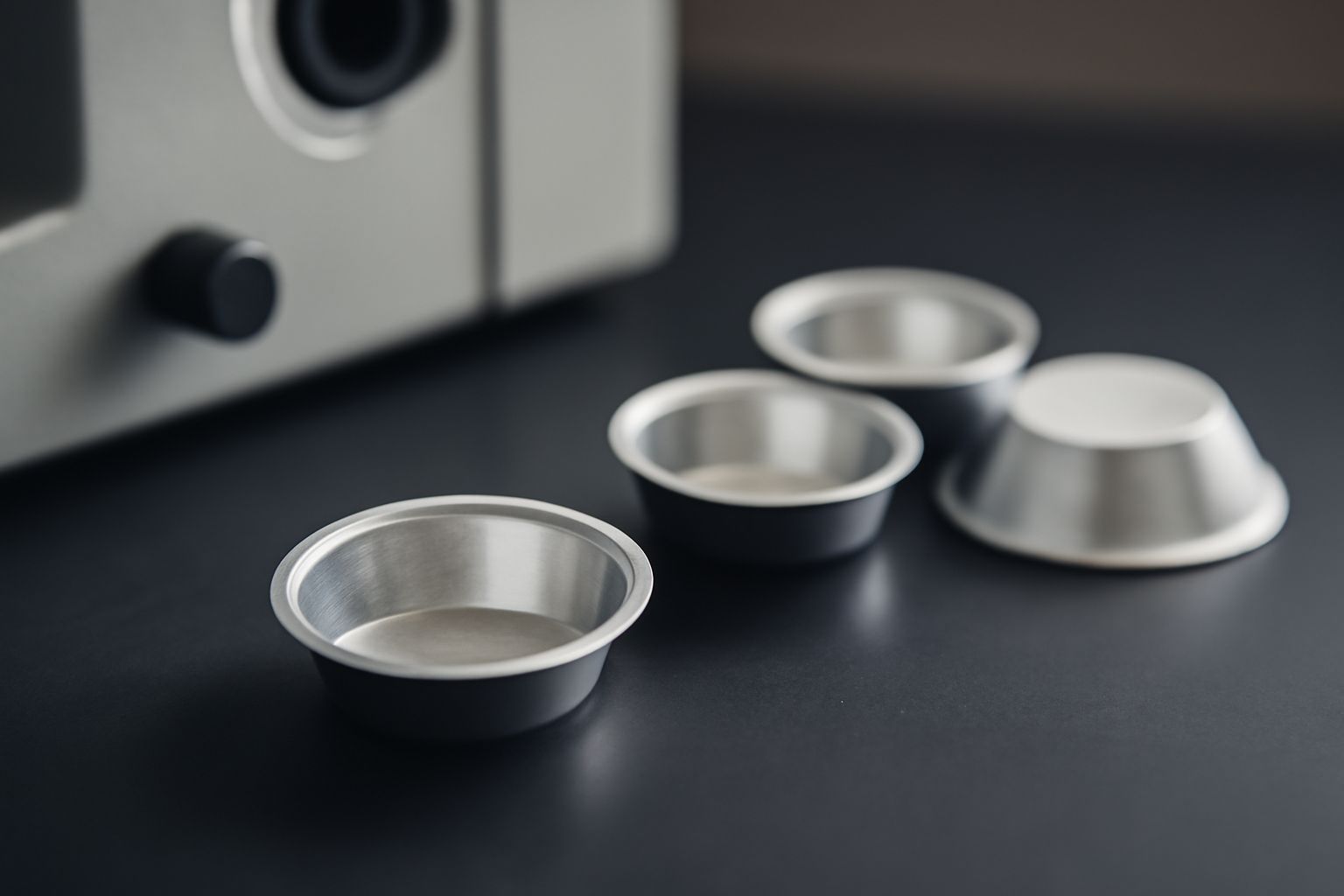
Labs in many industries face new demands for more tests, faster data, and precise material results. Disposable sample pans now play a central part in meeting these needs.
The market for disposable sample pans has grown with tighter quality demands, new thermal analysis applications, and a shift to efficient lab workflows. Innovation and global economic changes drive this trend.
I notice these changes every time I review sales data and customer projects, especially in high-tech material markets. I see new innovation and competition every year.
Demand started modest and climbed each year as testing technology improved. People need faster, dirt-free pans for each new project line.
Global demand for disposable sample pans has grown steadily, especially as material science and pharmaceutical testing rise in complexity and volume.
| Year | Market Size Estimate (USD Millions) | Growth Driver | Reference |
|---|---|---|---|
| 2016 | 62 | Strong lab automation trend | Lab Automation |
| 2018 | 70 | Pharma analysis expansion | Analytical Chemistry |
| 2021 | 85 | Product certification increases | Material Testing Market |
| 2023 | 97 | Emerging industries, more frequent tests | Global Instruments |
I have watched a clear shift: even smaller labs now pick single-use pans to keep up with increased analytical loads and clean validation rules. Bulk orders are much more common now than five years ago.
Innovation brings better results and new product categories. Industry leaders now deliver pans that push testing speed and give better user safety.
Key innovations include new alloys for higher temperature stability, pans with better seals, direct compatibility with automated systems, and eco-friendly materials.
| Innovation | Target Benefit | Market Impact | Learn More |
|---|---|---|---|
| High-purity alloys | Wider temperature range, stable results | Expands use in high-temp labs | Alloy |
| Improved sealing lids | Better volatility control, less error | Attracts pharmaceutical and chemical labs | Sealing |
| Automation-ready pans | Higher throughput, easy handling | Matched to modern robotic labs | Lab Automation |
| Recyclable materials | Lower eco impact, supports green lab goals | Keeps large buyers compliant | Recycling |
My own product line saw big gains after we rolled out pans with new sealing and more robust alloys. This let us reach new automation-ready customers who never considered custom thermal analysis before.
Growth does not only come from large legacy markets. New countries and sectors now add fresh demand for disposable pans in thermal analysis.
Emerging markets include Southeast Asia, Eastern Europe, and regions investing in advanced materials and pharmaceuticals, all showing rising interest in thermal analysis tools.
| Region | Key Sectors | Growth Rate | External Link |
|---|---|---|---|
| Southeast Asia | Polymers, food safety, electronics | 8% per year | Southeast Asia |
| Eastern Europe | Pharma, automotive materials | 6.5% per year | Eastern Europe |
| South America | Agricultural research, mining | 5.9% per year | South America |
| Middle East | Petrochemicals, food industries | 6% per year | Middle East |
Regional data shows education and regional investment bring thermal analysis to more mid-sized labs. I’ve helped set up supply chains in Asia and the Middle East since 2022 — new customers here care about quality, not just price.
Sales can change quickly with economic conditions. When budgets tighten, labs focus on cost per test, but overlook hidden savings from better pans.
Economic shifts affect pan sales by changing demand for R&D, forcing price negotiation, or making buyers switch to bulk purchasing or alternative brands.
| Economic Factor | Effect on Market | Lab Behavior Change | Source |
|---|---|---|---|
| Raw material cost rise | Raises pan price | Bulk buys, negotiation | Commodity Pricing |
| Cut R&D spending | Lower market growth | More price-driven buying | R&D Trends |
| Currency fluctuation | Impacts import/export business | Local stocking | Currency Info |
| Lab expansion/investment | Pushes high-end demand up | Broader product ranges | Lab Market |
In my experience, strong labs keep buying high-quality pans for reliable data, but during downturns, decision makers ask for price reduction or trial bulk deals. Adapting to economic shifts is now standard practice.


C082.Wangdefu International Building, Furong, Changsha, Hunan, China


+86-19907415020