


SHOPPING CART
Your cart is empty.
shop now
Your cart is empty.
shop now
Many laboratories are facing disruptions in consumables supply. The need for multi-brand compatible DSC sample pans is rising fast as costs and procurement complexity increase.
Global demand for multi-brand compatible DSC sample pans is surging. Labs seek stable supply, technical performance, and cost efficiency. North America, Germany, and Japan lead in adoption. The post-pandemic landscape favors trusted suppliers and diversified sourcing channels.
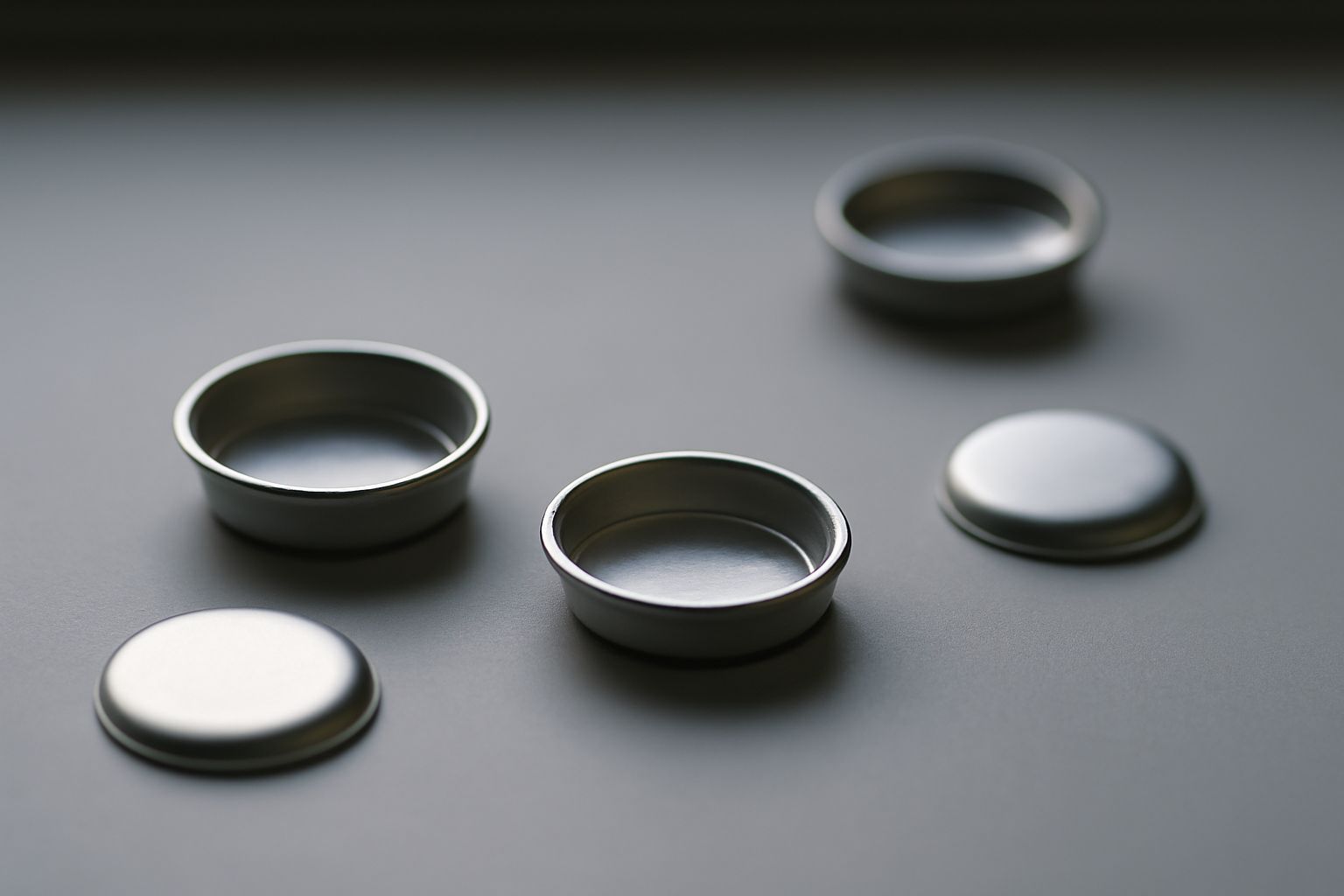
Modern labs rely on diverse equipment and frequent testing, so reliable DSC pan access matters now more than ever. Keep reading to learn which trends are most important, where demand is highest, and how procurement is changing around the world.
Rising costs and uncertain supply make original consumables harder to access. Switching to multi-brand compatible DSC pans is now a practical way to ensure experiments continue and budgets stay on track.
Growth in the multi-brand DSC sample pan market comes from cost pressures, equipment diversity, and labs wanting steady supply. Industries are seeking reliable, compatible products that work across many instruments to avoid supply chain bottlenecks.
| Factor | Impact | Relevant Data/Entity |
|---|---|---|
| Thermal Analysis demand increase | Broader R&D leads to higher pan consumption | Materials science and pharmaceuticals drive volume [1] |
| Supply chain disruptions | Labs look for quicker pan alternatives | Pandemic caused 20% delays, per Statista |
| Equipment diversity | Different brands in one lab means need for compatible pans | Average R&D lab uses 2.5 DSC instrument brands [2] |
| Cost savings | Switching reduces per-test costs by 35-50% | Replacement pan average price: $15 vs. $28 original [3] |
| Flexible procurement models | More vendors offer B2C online ordering, easy payment | Rise of direct eCommerce and procurement platforms |
My experience shows that more labs are standardizing on compatible pans because they work well with most brands, including TA, PerkinElmer, and METTLER. The direct supply model bridges the gap during supply shortages, helping labs avoid delays and lower expenses. As supply chains continue to fluctuate, many buyers now prioritize reliable pan vendors and local stock. Research collaboration across institutions also drives more cross-brand DSC sample pan requirements.
Industries with high R&D needs and frequent thermal testing are the biggest users. Materials science, pharmaceuticals, chemicals, and electronics lead global demand for multi-brand DSC sample pans.
Materials research, pharmaceuticals, chemicals, and electronic materials are at the forefront in purchasing DSC pans. These fields need steady, frequent analysis and value rapid replacements, especially in quality control and development labs.
| Industry | DSC Application | Demand Profile | Extra Notes |
|---|---|---|---|
| Materials Science | Polymer, alloy, composite melting/transition study | Very high, daily/weekly pan use | Adopts new pan types fast, wide equipment range |
| Pharmaceuticals | Formulation, purity, and stability checks | High, especially in formulation labs | Strong focus on safety, purity, compliance |
| Chemicals | Mixture, polymer, and reaction process analysis | Moderate, steady throughout year | Needs compatibility for many equipment models |
| Electronics/Semiconductors | Material phase, glass transition, reliability | Increasing post-pandemic | Focus on quality control and speed |
| Academic/Research Labs | Methods development, material discovery | Lower order size, diverse SKUs | Often require custom and small batch pans |
Clients I’ve served in chemicals and electronics are now ordering mixed packs that work with both old and new DSC instruments. With digital documentation needed for compliance, many pharmaceutical clients choose compatible pans to avoid workflow gaps when their preferred brand is out of stock. These industries show the most interest in simple purchasing, small quantity orders, and rapid international shipping.
Labs now want multi-vendor sourcing, direct B2C orders, and reliable, fast shipping. Traditional procurement cycles are being replaced by online, flexible solutions to prevent lab shutdowns when stock runs low.
After COVID disruptions, labs moved toward diversified suppliers, smaller orders, and direct online channels. Vendor reliability, order tracking, and fast payment options like PayPal have become key requirements for DSC pan procurement.
| Trend | Pre-pandemic | Current State | Impacts |
|---|---|---|---|
| Order Channels | Manual, vendor-locked contracts | Direct website, B2C eCommerce grows | Faster ordering, more choice |
| Order Size/Frequency | Quarterly, large MOQ | Monthly/bi-weekly, smaller packs | Less stockpiling, real-time delivery |
| Supply Chains | Centralized, slow | Multi-vendor, regional stock | Lowers risk, avoids delays |
| Payment Modes | Bank transfer, invoicing | PayPal, credit cards, instant checkout | Simpler process, faster delivery |
| Vendor Trust | Brand loyalty, less switching | Performance-ranked, trust via delivery speed | Labs shift to proven, in-stock vendors |
I often notice labs switching to suppliers who show live pan stock and can ship worldwide with DHL or UPS in one day. Automation in ordering has helped labs focus more on results than inventory headaches. Payment flexibility and visible order tracking now build trust, making post-pandemic procurement simple and transparent. Regional stock and multi-brand compatibility together let labs avoid delays and keep operating even if one channel is blocked.
North America, Germany, and Japan are ahead in using compatible DSC sample pans. Their labs adopt mixed-brand instruments faster and have more stable funding to try new suppliers.
The U.S., Germany, and Japan dominate demand for multi-brand pans. Laboratories here value compatibility, technical support, and reliable delivery. These regions often drive first-mover adoption and vendor switching for improved flexibility.
| Region | Adoption Level | Key Factors | Market Share (%) |
|---|---|---|---|
| North America | Very High | Large R&D budgets, rapid equipment change | 37 (2023 Market Report) |
| Germany | High | Mature industry, precise quality standards | 15 |
| Japan | High | Cutting-edge electronics, pharma, custom requests | 12 |
| South Korea | Moderate | Semiconductor, automotive, fast ordering | 7 |
| Rest of Europe | Moderate | Academic, SME buyers | 14 |
| Other Asia-Pacific | Low-Moderate | Smaller labs, less value on quality | 8 |
I see American labs routinely buying packs for various TA and PerkinElmer DSCs in one shipment. German buyers expect detailed technical specs and reliable consulting. Japanese R&D teams often choose custom pans to fit their unique project needs. Strong suppliers who offer instant support and local stock quickly earn loyalty in these demanding regions. Industry data confirms these three markets together make up more than half the global demand for multi-brand and compatible DSC sample pans.

C082.Wangdefu International Building, Furong, Changsha, Hunan, China


+86-19907415020