


SHOPPING CART
Your cart is empty.
shop now
Your cart is empty.
shop now
Lab budgets stay tight. You want results fast. Choosing between single-use and reusable DSC pans can feel tricky when time and money matter.
Over time, single-use pans cost more per unit, but reusables have hidden costs like cleaning labor and risk of residue. The cheapest choice depends on your lab's throughput and workflow.
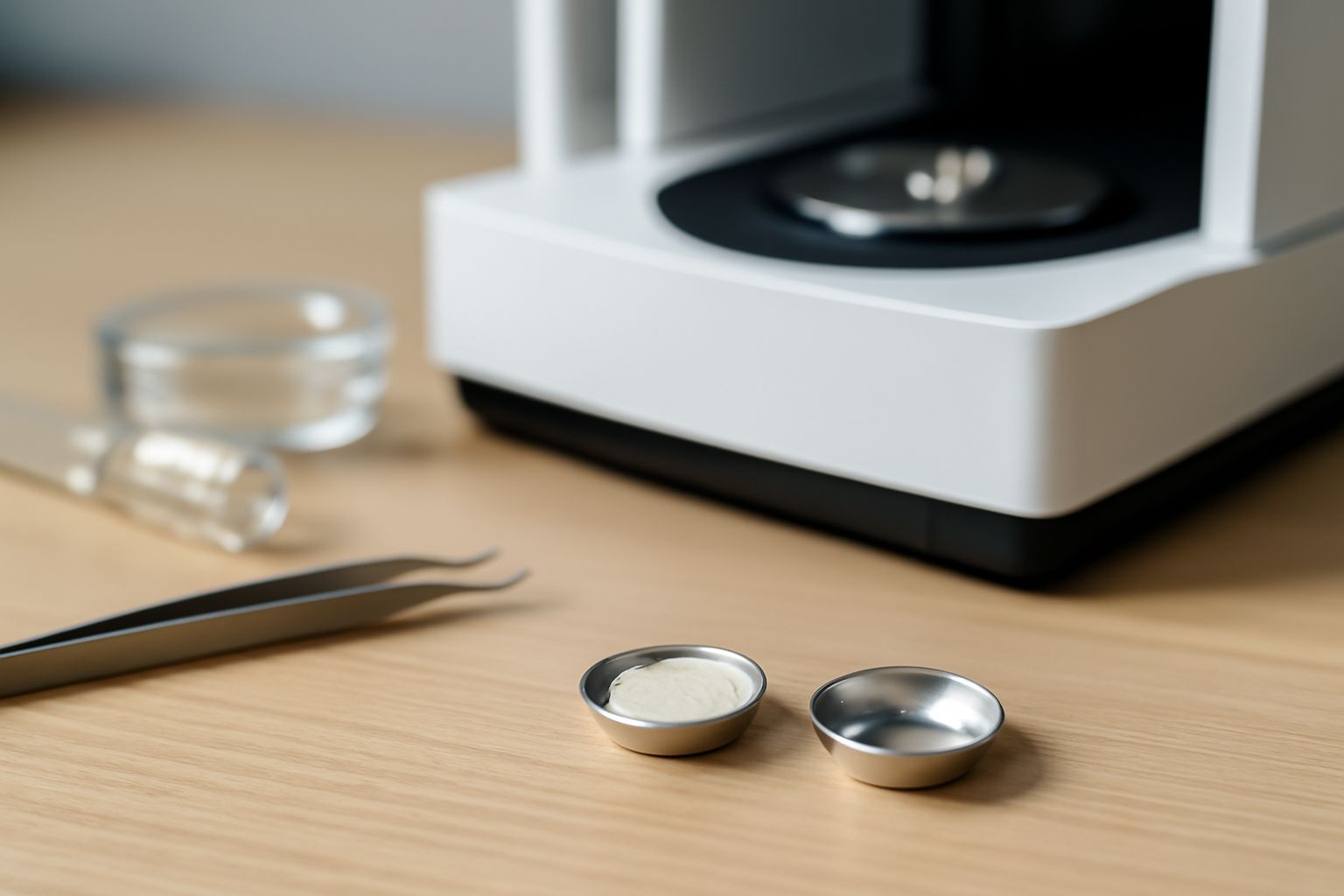
At first glance, buying pans looks simple. But real costs start to show once use, cleaning, and errors kick in. After running labs myself, I know these hidden factors matter. Let’s break down what drives total costs before new orders hit your inbox.
Direct price matters most at first. But as months pass, extra costs creep in—labor, cleaning tools, lost time. You may not see these on paper until months later.
Total cost of ownership for single-use pans is clear: price per pan times the number needed. For reusables, add up unit price, cleaning supplies, labor, and losses from failed tests or breakage.
| Category | Single-use DSC Pans | Reusable DSC Pans |
|---|---|---|
| Initial Cost | Lower per pan | Higher per unit |
| Cleaning Labor | None | Significant over time |
| Cleaning Supplies | None | Yes (solvents, tools) |
| Risk of Failure | Low | Increases if residue remains |
| Replacement Rate | Each run | After damage or loss of shape |
| Total Over Time | Steady with usage | Varies based on cleaning and care |
One term you should know here is total cost of ownership—this includes everything your lab pays as long as you keep using a product, so remember to count not just the price tag but the effort and extra tools each pan requires.
I used to think reusables always won on price. That changed when our techs spent hours scrubbing pans and our overtime bills doubled.
Washing and labor costs often tip the scales for reusables in busy labs. Cleaning not only eats time, but mistakes or residue can mean failed results. Every cleaning adds risk and reduces savings.
| Factor | Impact on Cost | Comment |
|---|---|---|
| Manual Cleaning | Labor hours add up; expensive in high-wage countries | Technician time often exceeds pan cost itself |
| Ultrasonic Cleaning Tools | Initial investment and maintenance | Can help, but needs setup and care (ultrasonic cleaning) |
| Occupational Safety | Chemicals used for cleaning can be hazardous | Proper PPE and fume hood use required |
| Cleaning Frequency | More frequent = higher labor cost | Sticky or burnt samples can force repeat washes |
One common cleaning tool is the ultrasonic cleaner, which can save time for some, but raises equipment and upkeep costs. In high-volume labs, I have seen labor costs pass $2 per pan just from the cleaning step.
No one wants to rerun samples. Yet when reusable pans have residue, you risk bad data or outright test failure. These setbacks add up fast.
Hidden costs with reusables often come from undetected residue causing faulty results. Retesting burns more pans, sample material, and lab time. These losses creep into your real cost per test.
| Hidden Cost Type | Single-use | Reusable | Notes |
|---|---|---|---|
| Failed Runs | Rare | More likely after cleaning | Residue often hard to spot |
| Re-testing Labor | Minimal | Up to 2-3x more time spent | Includes prepping new samples |
| Sample Waste | Low | Higher if sample amount is limited | Important with rare or costly samples |
| Instrument Downtime | Mostly just turnaround for loading | Longer when results are unclear | Lost time waiting for re-runs |
You may encounter chemical residue—traces of old samples left inside pans. Even trained eyes miss tiny residues, and lost test time is often not tracked in budgets.
I once saw reusable pans last 200 runs in our teaching lab, but in polymer research, harsh cleans or tough samples wore them out before 50 uses.
Pan longevity depends on your material and method. Simple, low-temperature runs support more reuse. Aggressive cleaning or high heat cuts lifespan and increases total cost.
| Application Type | Reusable Pan Lifespan | Single-use Usage | Special Considerations |
|---|---|---|---|
| Routine QA | Up to 100 uses | One per test | Low-sticky samples, simple cleaning |
| High-temperature Materials | 20–50 uses | One per test | Warping and fouling from heat stress |
| Polymer Research | 10–40 uses | One per test | Frequent residue and cleaning cycles |
| Moisture Analysis | Over 100 uses sometimes | One per test | Low temperatures, easy to clean |
Lifespan here means the number of times a reusable pan holds its shape and does not cause errors. Learn more about the impact of DSC analysis methods on hardware life if you want to dig deeper.


C082.Wangdefu International Building, Furong, Changsha, Hunan, China


+86-19907415020