


SHOPPING CART
Your cart is empty.
shop now
Your cart is empty.
shop now
The supply chain for DSC sample pans is facing new stress. Labs everywhere now see delays and cost increases, making reliable sourcing a bigger challenge than before.
DSC sample pan supply is unstable due to logistics gridlock and soaring production costs. Labs are changing suppliers and embracing more flexible sourcing to keep tests on track.
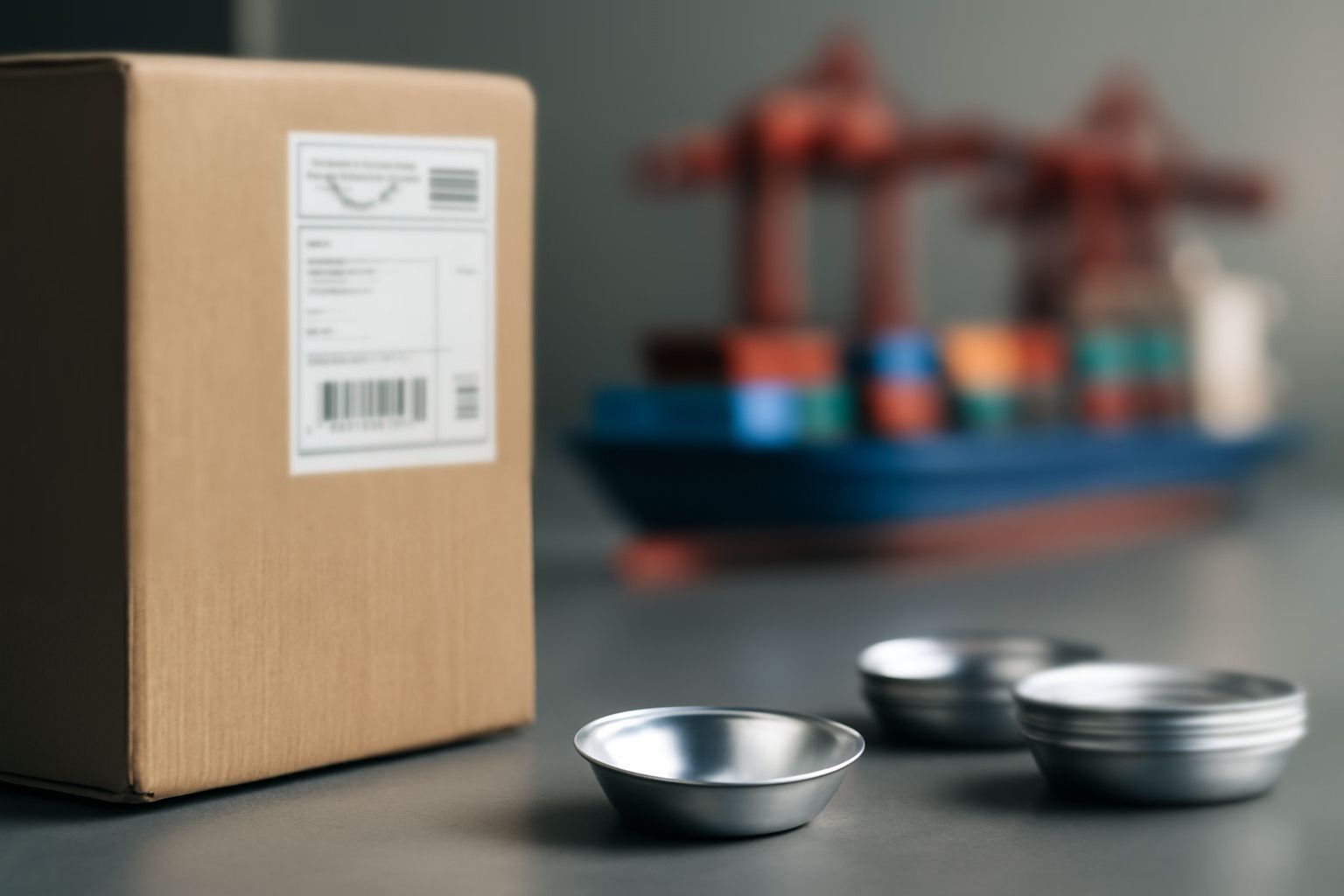
With supply chains under strain, even routine lab operations feel the pressure. The rules for finding trusted consumables are different now. Let’s explore how global events are shaping the DSC sample pan market—and what you can do if you rely on these essential items.
Late shipments, border holdups, and fewer air and sea routes have hit DSC pan stocks. Lab managers in many countries now struggle to get reliable supplies on time for testing needs.
Delivery times for DSC sample pans have increased by one to three weeks in the past year, with freight costs rising by over 25% for key markets like the US and Germany. Labs now face longer lead times and tighter planning windows.
| Challenge | Typical Impact | Where It Matters Most |
|---|---|---|
| Port Congestion | Inventory gaps, rushed procurement | North America, Europe |
| Limited Airline Capacity | Priority goods only, higher air freight | Japan, South Korea |
| Border Checks | Delays, inconsistent tracking | UK, EU borders |
| Supply Chain Shocks | Sudden outages, unpredictable restocking | Global |
Availability has become less certain than ever, especially in busy research and industrial centers. The shift is forcing both research teams and procurement departments to rethink how much inventory they need on hand and where to expect shortages first.
Labs now split orders between several suppliers, often adding local or regional vendors alongside global brands. Some invest in bulk buys or reusable pans to stay ahead of disruptions.
Labs are building partnerships with third-party suppliers, creating backup contracts, and buying extra stock when prices dip. They seek compatible alternatives and even use 3D printing methods for emergency disposable pans in some cases.
| Strategy | How It Works | Key Benefits | Risks/Barriers |
|---|---|---|---|
| Dual-sourcing | Buy from two+ approved suppliers | Reduces shortage risk | More negotiation needed |
| Stockpiling | Order larger batches in advance | Smoother test schedule | Ties up budget |
| Local Suppliers | Engage regional distributors | Shorter lead time, familiar laws | Higher unit price, limited range |
| Reusable Sample Pans | Use platinum or high-purity alternatives | Lower long-term cost, less waste | Upfront investment, cleaning overhead |
No one method fits every need, so many labs now blend these strategies. For small and mid-sized labs, flexibility and local contact have real advantages during unexpected supply upheavals.
Labs that used to rely only on OEM brands are now working with trusted regional or independent suppliers. They explore new choices to ensure steady stock if one channel is disrupted.
Demand for alternative brands and third-party suppliers has grown by at least 35% since 2022. End-users want good compatibility, cost savings, and fast response to changing needs.
| Supplier Type | Top Advantages | Typical Weaknesses | Ideal Users |
|---|---|---|---|
| OEM Brand | Full compatibility | High cost, slow lead time | Government labs, pharma |
| Third-Party Specialist | Lower prices, ready stock, model matching | Need product documentation | Private R&D, universities |
| Regional Vendor | Quick ship, easy communication | Limited SKUs, less custom work | Small teams, time-sensitive projects |
| OEM Replacement | Fits branded devices with certification | Testing needed before full adoption | All labs upgrading equipment |
This shift is helping many labs weather the uncertainty, and it encourages suppliers to offer more customizable, rapid-delivery services. That means better choices for buyers, but also a need for extra testing to confirm compatibility and safety in fast-moving fields.
Aluminum prices have risen after unrest or sanctions in Ukraine, the Middle East, and parts of Africa. Shortages in energy and mined ore mean cost surges for every part of the value chain.
When conflict reduces aluminum output or blocks trade, pan producers face rising raw material costs. The London Metal Exchange reported 2023 aluminum spikes, up nearly 40% versus 2021, driven by these disruptions.
| Conflict Zone | Primary Impact | Result for Labs | Data/Source |
|---|---|---|---|
| Ukraine / Russia | Cut in bauxite/alumina supply | Price hikes, uncertain contracts | Reuters |
| Middle East | Shipping risk, energy shortage | Insurance, longer transit, slow production | Financial Times |
| West Africa | Labor unrest, export blocks | Order delays, cost rises for pans | London Metal Exchange |
| Global Sanctions | Export bans, quotas | Poor raw material access, forced to find alternatives | IMF Commodity Database |
With higher costs for high-purity aluminum, many suppliers are re-evaluating both pricing and material sourcing. Labs may notice both price volatility and more frequent updates to catalog offerings until the global market stabilizes.
Supply chain shifts now define DSC sample pan access and pricing. Labs find value in flexible sourcing and trusted alternatives, adapting fast as the global scene keeps changing.
Contact REDTHERMO for Technical Support

C082.Wangdefu International Building, Furong, Changsha, Hunan, China


+86-19907415020