



SHOPPING CART
Your cart is empty.
shop now
Your cart is empty.
shop now
Without the right DSC accessories, many student labs might limit their real-world experimental experience. I have seen better results appear when labs invest in useful, entry-level components.
Entry-level DSC accessories give students access to hands-on thermal analysis practice. These tools help learners understand essential concepts and get ready for industry work involving DSC.
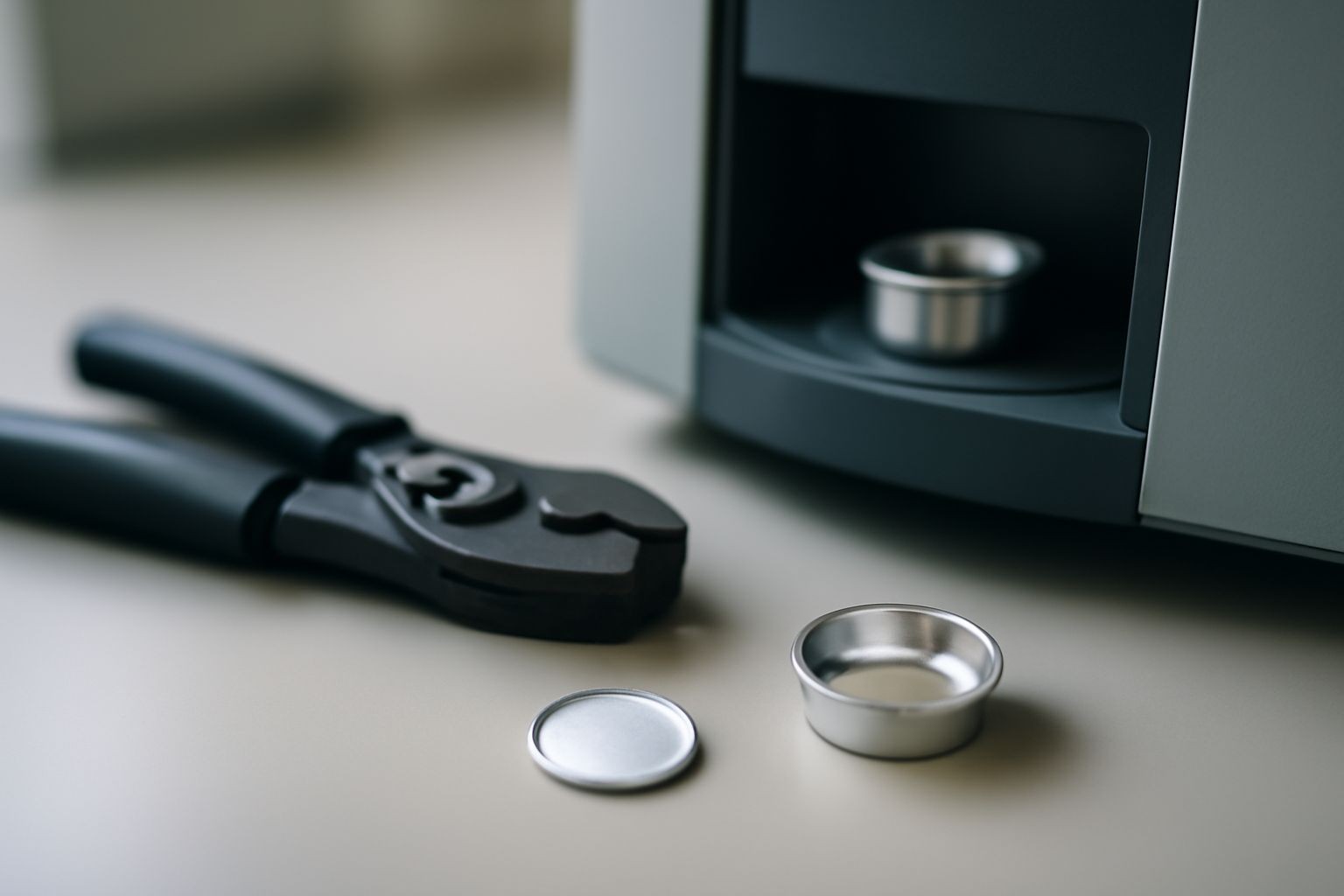
Building practical skills in the lab lets students bridge academic theory and future employment. In my experience, effective DSC accessory setups drive curiosity and help raise research standards in both classroom and industry projects.
Many labs start by choosing basic DSC accessories for training purposes. This first step helps students get familiar with all components and their uses.
Entry-level DSC accessories are basic hardware items that attach to or support a differential scanning calorimeter. These usually include sample pans, lids, sealing tools, and simple calibration standards. Students use these accessories to safely load, seal, and analyze material samples. Accessories sold for educational purposes often come with easy-to-follow instructions and affordable materials. Most are compatible with common DSC devices and use-standard sizes to simplify teaching.
| Accessory Type | Function in Lab | Typical Material | Educational Advantage |
|---|---|---|---|
| Sample pans | Hold test specimens | Aluminum | Standardized practice |
| Sealing tool | Secure lids to pans | Steel or plastic | Hands-on sealing method |
| Calibration kit | Check instrument accuracy | Standard reference | Calibration skills |
| Basic reference materials | Test baseline signals | Pure indium, tin | Thermal property study |
For a deeper look, see sample DSC setups and student training guides cited in the ResearchGate education case studies.
Students with the right accessories gain direct exposure to heat-flow measurement and sample handling. I watched confidence grow with each hands-on lesson.
Entry-level DSC accessories help students learn sample preparation, safe sealing, and measurement of melting, crystallization, or glass transition points. With real experiments, students test polymers or food and compare outcomes. This process builds critical thinking, boosts reporting accuracy, and connects concepts from textbooks to instrument data. I often add a peer-review step so groups can see results and fix possible errors together, just as teams do in professional labs.
| Lab Activity | DSC Accessory Used | Learning Outcome | Career Relevance |
|---|---|---|---|
| Sample weighing | Precision pans | Careful dosing | QA/QC roles |
| Seal and load | Sealing press/lids | Safe prep skill | Lab technician job |
| Thermal scan | Reference standard | Graph reading | Materials engineer |
| Result reporting | Data sheets/software | Record management | Scientific method |
Sources like the Elsevier thermal analysis education review cover real examples of DSC in student exercises.
When students use DSC gear early, they become ready for different science sectors. Real-world experience boosts their job opportunities after graduation.
Industries such as polymers, food, pharmaceuticals, advanced materials, and chemicals use DSC analysis every day. Training with entry-level DSC accessories matches industry protocols. Students learn to handle the same samples, prep styles, and data challenges they will see in research labs or production plants. My contacts in food science and battery research look for job candidates who already know DSC hands-on. I recommend providing a range of samples, so students practice across many use cases and industries during training.
| Industry | DSC Application | Core Skill Learned | Key Product |
|---|---|---|---|
| Polymers | Melting, crystallization | Heat flow analysis | Aluminum pans |
| Pharmaceuticals | Purity, polymorph study | Safe handling | Hermetic lids |
| Food science | Fat analysis, moisture testing | Moisture analysis | Standard sample kits |
| Battery materials | Thermal runaway checks | Safety protocol | High temp pans |
| Chemicals | Reaction monitoring | Instrument calibration | Calibration kits |
The MarketsandMarkets thermal analysis report shows industry demand and future prospects for graduates skilled in DSC methods.
Students often use DSC for the first time in college. Well-planned teaching turns lab time into knowledge and good safety habits for everyone.
Following best practices means using clear safety instructions, staff supervision, and step-by-step methods for preparing and loading samples. Teachers should schedule time for calibration and let students do quality checks on their work. Keeping data organized, cleaning each accessory, and reporting all findings strengthen student confidence. I also recommend periodic troubleshooting sessions, so learners can handle small errors on their own. Providing a full kit, from pans to sealing presses, ensures no one skips steps due to missing gear.
| Best Practice | What It Involves | Lab Benefit | Extra Resource |
|---|---|---|---|
| Standard protocol | Guided steps for each run | Consistent results | Lab protocol |
| Calibration routine | Regular check with standards | Accurate data | Manual/technical docs |
| Supervised safety | Instructor presence | Fewer accidents | Lab safety guidelines |
| Peer review system | Group data check | Better error correction | Peer review |
| Full accessory kits | All gear for active use | No missed steps | Supplier catalogs |
Leading education resources like the Journal of Chemical Education publish reference protocols for DSC and related techniques in student labs.


C082.Wangdefu International Building, Furong, Changsha, Hunan, China


+86-19907415020