



SHOPPING CART
Your cart is empty.
shop now
Your cart is empty.
shop now
Climate change demands new approaches in science. Global labs must adapt quickly. Unreliable test data or wasteful lab habits hinder real environmental progress.
Accurate DSC analyses are increasingly important for climate research, material science, and sustainable solutions. High-quality DSC pans support these efforts by enabling precise thermal measurements and reliable data for labs worldwide.
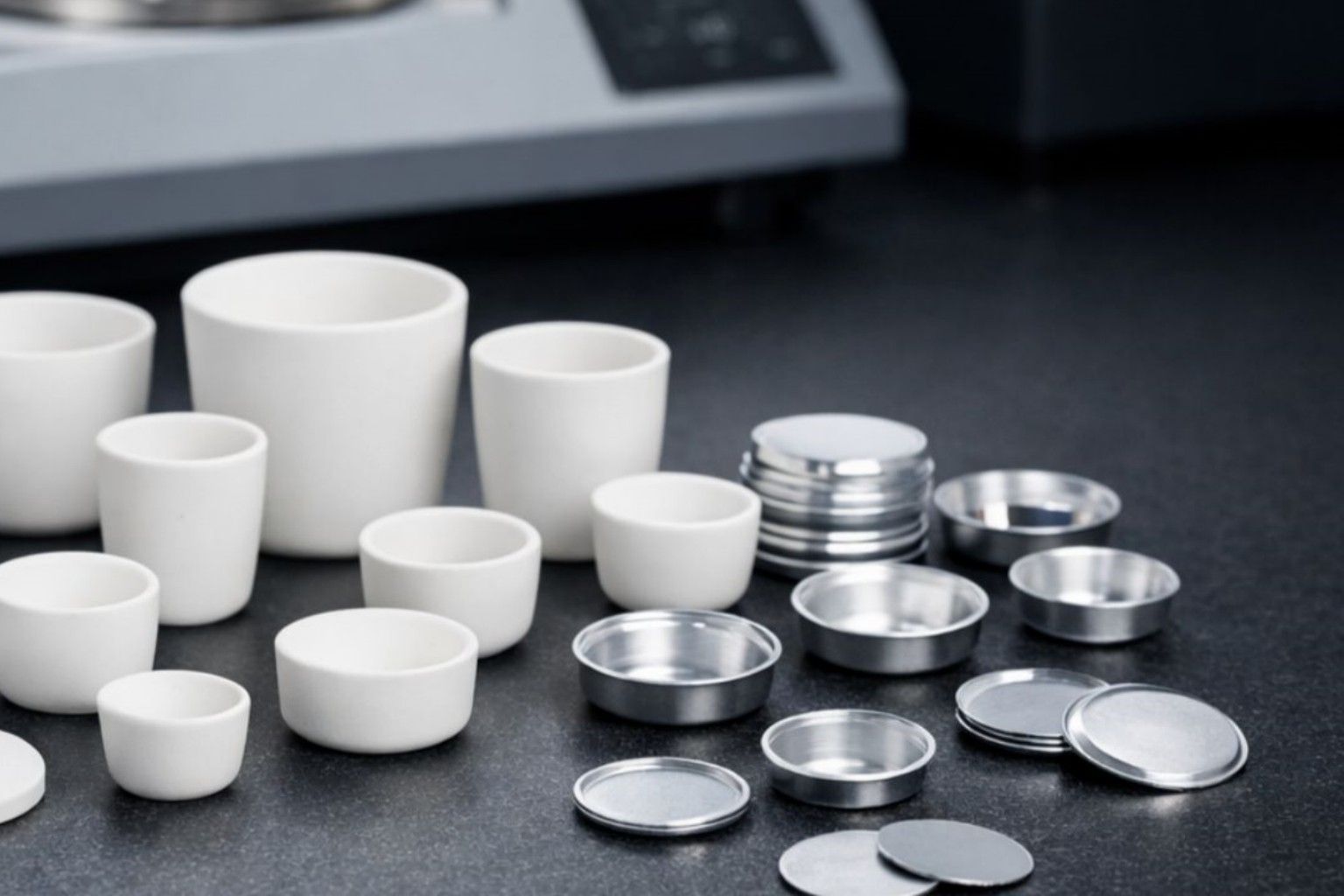
As I track changes in climate research, I see how much labs rely on precise, eco-friendly DSC pans. I’ve found that the right pans not only support science but also help meet sustainability goals and eco-regulations worldwide. Let’s see how climate change is reshaping DSC pan science.
Climate change brings new questions. Labs must analyze new materials, follow stricter limits, and track climate trends. Old pan technology does not always keep up.
Climate change drives more labs to focus on thermal testing of polymers, waste, and bio-based materials. This adds pressure for DSC pans that support sensitive measurements and resist contamination in harsh environments.
| Analysis Area | New Requirement | Reason |
|---|---|---|
| Polymer Degradation | High-purity, inert pan surfaces | Prevents side reactions and enables clear readings for recycling studies (plastic recycling) |
| Waste-to-Energy | Resistance to high heat and corrosion | Needed for testing ash and new fuel sources |
| Biomass Research | Stable baseline, low drift pans | Biomass has low energy signals and demands precise pans |
| Green Materials | Support for small batch and non-standard formats | Labs test new eco-materials in non-traditional shapes or sizes |
My colleagues have seen demand for custom and robust DSC pans rise as climate-focused projects become critical. Government reports such as those from the IPCC confirm these changing needs in global labs.
Labs working on climate solutions often face equipment limits. Outdated pans can add error or create waste. New technology must solve these gaps for environmental testing.
Innovation is needed in pan coatings, recyclable materials, and tighter tolerances. These features reduce contamination, lower waste, and enable clear measurement of trace signals in environmental samples.
| Type of Innovation | Description | Environmental Benefit |
|---|---|---|
| Green Coatings | Eco-safe, low-contamination surfaces | Reduces sample loss and enhances accuracy for sensitive studies |
| Recycled Metals | Use of recycled aluminum or platinum | Cuts raw material use and carbon footprint |
| Micro-Precision Forming | Improves fit, lowers drift, handles small signals | Supports precise results for emerging climate science |
| Batch Traceability | Lot-unique codes for all pans | Ensures quality and traceability for strict projects (traceability) |
In my lab experience, we gained better accuracy and repeatability after switching to pans with certified recycled content and improved surface purity. Reports from environmental research institutes match these priorities, showing a shift toward sustainable lab practices.
Labs must cut waste and use green practices as demand for eco-friendly science rises. DSC pans play a key role in these efforts but can also create waste if not chosen well.
High-quality DSC pans support sustainability by reducing repeat tests, enabling safe sample handling, and being easier to recycle or safely dispose of after use.
| Practice | How DSC Pans Help | Lab Impact |
|---|---|---|
| Minimized Waste | Consistent pans lower failed experiments | Saves time and reduces chemical/sample loss |
| Recycling Programs | Pans made from and for recycling | Reduces landfill, supports circular economy (circular economy) |
| Reduced Energy Use | Precision cuts time per test | Lowers carbon footprint for frequent users |
| Safe Disposal | Non-toxic and labeled pans | Makes responsible waste handling simpler |
I noticed our lab’s waste stream dropped when we switched to pans with more recycled material and tighter quality. The effect was quick and easy to track, and this matches research on sustainable lab operations from journals like Nature.
Suppliers face rising pressure from customers and regulators. They must improve materials, cut waste, and document every step. The shift is not always easy or quick.
Main challenges include sourcing certified recycled metals, meeting new documentation rules, and redesigning processes for lower emissions and energy use throughout the supply chain.
| Challenge | Supplier Response | Market Impact |
|---|---|---|
| Verified Materials Supply | New buying partnerships and audits | Can raise prices but builds customer trust |
| Compliance Tracking | Investing in traceable codes and databases | Makes proof of sustainability faster but adds cost |
| Process Redesign | Engineering lower-energy production flows | May cut emissions over time, with start-up investments |
| Standard Changes | Faster updates and training | Slows early supply, but builds long-term market position |
My suppliers now issue monthly sustainability reports and even invite us to track materials from source to delivery. The European Chemicals Agency’s new requirements drive much of this, raising the bar for everyone in the DSC pan market.
High-quality, eco-friendly DSC pans empower labs to take bolder action on climate research and sustainability while driving suppliers to innovate for a changing world.
Contact Technical Support

C082.Wangdefu International Building, Furong, Changsha, Hunan, China


+86-19907415020