



SHOPPING CART
Your cart is empty.
shop now
Your cart is empty.
shop now
Many labs see strange data or equipment trouble because of small pan problems. I once struggled to get accurate heat flow until I solved these kit issues head on.
The most common DSC analysis kit issues include incompatibility, sample pan degradation, and inconsistent results. These problems are solved by choosing the right pan size, using stable materials, maintaining your kit, and checking equipment compatibility before each analysis.
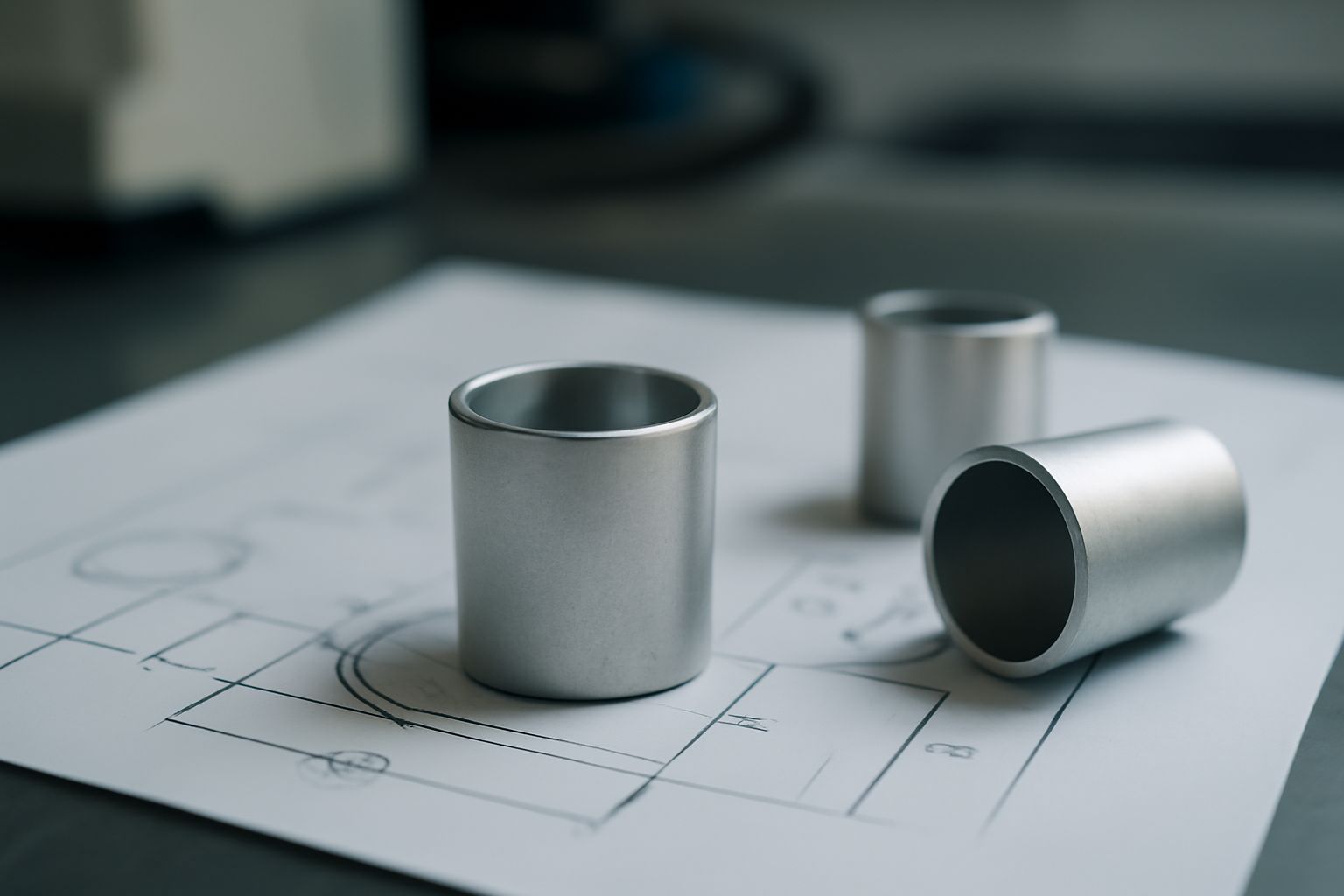
Even the smallest detail with a DSC kit can cause big shifts in your analysis. When I improved my process and checked each step with attention, I reduced errors and saved many hours. Below are the lessons I learned that any lab can use right now to keep results reliable.
It can be very frustrating when a new pan does not fit your DSC instrument. This mismatch can stop your test outright or give inconsistent readings you do not trust.
Ensure your pans and lids match your DSC instrument by checking the manufacturer’s compatibility chart, measuring pan sizes precisely, and confirming the required material and sealing method for your system before each analysis.
| Potential Compatibility Issue | Root Cause | Action Steps | Helpful Resource |
|---|---|---|---|
| Incorrect pan diameter or height | Mixing brands; spec confusion | Check with equipment manufacturer | User manual, supplier datasheet |
| Incompatible materials | Non-matching melting point or reactivity | Refer to instrument material list | DSC background |
| Improper crimp/sealing | Wrong lid or sealing tool | Match pan/lid/crimper set | Lab reference protocol |
I always keep a cross-reference list for different DSC equipment brands and double-check pan size before running new tests. This step cut down my troubleshooting time and kept every analysis within the device’s technical limits.
Few things are as disappointing as getting different results from one DSC test to the next for the same sample. This can damage your project’s progress if not addressed quickly.
Control test consistency by using the same type of pans and lids for every batch, calibrating your DSC unit regularly, keeping sample mass steady, and storing all pans in a dry, clean place.
| Common Cause | Symptom | Prevention | Extra Info |
|---|---|---|---|
| Uneven sample mass | Variable heat flow peaks | Weigh samples before adding to pans | Balance or calibration routine |
| Different pan batches | Shifting baseline signals | Use pans from same lot for each study | Supplier batch record |
| Poor pan or lid integrity | Leaking or evaporation | Check every pan and lid for visible damage | Main lab inspection guide |
In my own experience, I keep every variable the same to get reliable results. Reducing changes in type, supplier, or sample handling helps prevent unknown sources of error as documented in Standard Operating Procedures.
All DSC pan and lid materials break down with heavy use, harsh chemicals, or repeated heating and cooling. Ignoring early signs brings more failures right when you need precise measurements.
Degradation happens from thermal cycling, oxidation, corrosion, or chemical reaction with samples. Using high-stability materials, controlling max temperatures, and changing pans and lids at signs of damage keeps results credible.
| Main Factor | How It Damages | Visible Symptom | Reference |
|---|---|---|---|
| Repeated thermal cycling | Stress and micro-cracking | Distorted or warped pans | Thermal fatigue study |
| Oxidation | Surface discoloration, flaking | Dull spots or oxide layers | Research journals |
| Chemical reaction | Material loss or corrosion | Pitting, holes, leaks | Lab cleaning protocol |
For my own work, I always inspect each pan after a series and avoid using an old or damaged pan. Fresh pans keep the baseline stable, which means every result fits the sample’s true behavior as seen in current metallurgy texts.
A lab can reduce costs by getting more cycles from every DSC kit. These habits take only a few moments but pay off with fewer pan replacements and fewer errors in analysis.
Store pans in a dry container, use a gentle cleaning solution without abrasives, avoid over-filling pans, and use the lowest possible test temperature to lower stress on the metal. Always keep each pan matched to its compatible lid and crimper.
| Practical Tips | How It Helps | Precaution | More Details |
|---|---|---|---|
| Standardized storage | Stops oxidation/moisture damage | Silica packs, hard shell case | Desiccator use |
| Thorough visual inspection | Prevents use of cracked or warped pans | Inspect every use, not just deliveries | User routine logs |
| Matched accessories | Ensures proper fit and thermal seal | Only use supplied crimper and lid set | Instrument accessory guide |
I find that adopting these simple but strict routines reduced both error rates and purchasing costs in my lab. Sharing the cleaning and inspection plan with team members kept everyone aligned and our kit in good shape for each test run.


C082.Wangdefu International Building, Furong, Changsha, Hunan, China


+86-19907415020