


SHOPPING CART
Your cart is empty.
shop now
Your cart is empty.
shop now
Lab budgets face pressure as sample pan costs rise and choosing the right type impacts test accuracy and project timelines.
To pick the best DSC sample pans, check compatibility with your equipment, verify material standards, compare OEM to third-party options, and consider delivery logistics for quick and reliable results.
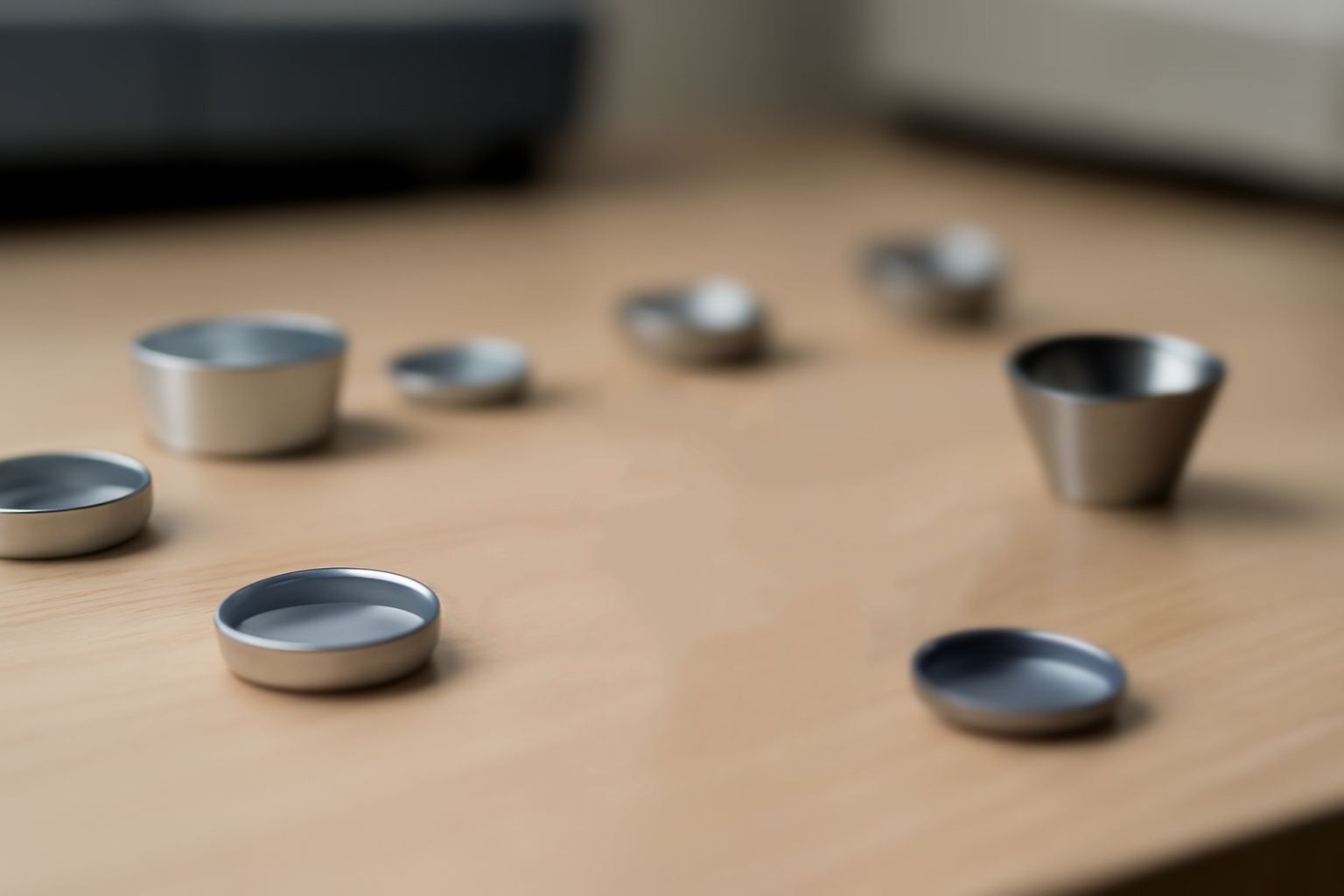
This guide walks through practical decisions for procurement teams and lab users who want reliability, fast delivery, and value for their DSC consumable needs. Keep reading to learn how labs worldwide optimize these purchases in daily workflows.
Picking the wrong sample pan means wasted tests, risk of bad results, and higher costs for labs working under strict time and quality targets.
Labs should look at instrument compatibility, pan material, sealing effectiveness, sample volume, and maximum temperature limits when buying DSC pans, ensuring valid and repeatable results.
| Factor | Description | Why It Matters |
|---|---|---|
| Instrument Compatibility | Pan must match model (e.g. PERKINELMER, TA Instruments) | Prevents leaks, misalignment, and test errors |
| Material Purity | Usually high-purity aluminum or platinum | Ensures clean baseline, stable signal (Aluminum purity 99.99%) |
| Sealing Performance | Pan and lid must seal well, sometimes with O-rings | Essential for volatile or sensitive samples |
| Sample Volume | Size should fit experiment needs (0.1–100mg typical) | Too big or small will distort results |
| Temperature Range | Each material supports specific temperature limits | Prevents pan melt or sample escape at high heat |
Checking these points is especially important for high-throughput labs or those needing very precise phase transition measurements. Many reference guides, such as the DSC technical documentation, offer useful checklists for buyers.
Instrument downtime often starts with a simple mismatch between sample pans and the DSC model in use, leading to costly interruptions.
To guarantee fit, always cross-reference pan part numbers and sizes with the DSC brand’s model list before buying, and check for certified compatibility statements from suppliers.
| Brand | Common Pan Type | Compatibility Steps |
|---|---|---|
| TA Instruments | Standard Aluminum, Hermetic Sealed | Match part number, ask supplier for calibration data |
| PERKINELMER | Pierceable, Gold Plated | Verify with model listing, confirm pan thickness |
| NETZSCH | High Pressure, Aluminum Crucibles | Check accessory chart, compare photos (lid shape varies) |
| METTLER | 40μL Aluminum, Sealing Ring | Check cavity and rim dimensions match datasheet |
In my work with custom sample pans, I have seen many teams rely on simple size checks, but the safest way is to request and confirm a cross-reference guide from the supplier. For more on why dimension checks matter, see this academic review about sample pan errors in thermal analysis.
Some labs avoid third-party pans for fear of inconsistent results or weak seals, yet OEM pans cost more and have longer delivery times in many countries.
Well-made third-party pans give similar results as original brands. Check customer tests, supplier certification, and side-by-side performance data for real proof before switching.
| Criteria | OEM Pans | Third-Party Pans |
|---|---|---|
| Quality Consistency | Strict, batch tested | Depends on supplier, varies by batch |
| Price | Up to 3x higher | Lower, many 30–50% less |
| Delivery/Lead Time | May take weeks for custom | Often next-day or in-stock |
| Compatibility | Exact fit for branded models | Ask for model confirmation, sample first |
| Warranty | Brand-backed | Varies, reputable suppliers offer strong policies |
I often trial new suppliers by splitting one batch between OEM and third-party. Trusted third parties offer detailed specs and, for QA labs, certificates with shipment. Choose vendors with strong review records and compare an initial set side by side before larger orders. The price savings can be significant if routine tests confirm no loss of accuracy.
Sudden project starts and missed deadlines often come from pan shortages or unexpected shipping delays—especially in busy R&D or contract testing labs.
Plan orders based on average monthly use, leave buffer stock for urgent work, and prefer suppliers with both in-stock standard pans and fast shipment for custom items.
| Procurement Element | Impact on Lab Operations | Best Practice |
|---|---|---|
| Order Quantity | Too low = more PO work, risk of running out | Estimate by throughput, keep 10–20% safety stock |
| Lead Time | Delayed pans cause instrument downtime | Check supplier real-time stock, prioritize DHL/UPS delivery |
| Supplier Location | Far suppliers risk customs and shipping delays | Choose global partners with local inventory or rapid ship |
| Custom vs. Standard | Custom pans may need 2–4 weeks | Verify production time and ask for historical lead time data |
My own clients often reorganize workflows when pan shipments arrive late. For more about supply chain effects on lab testing, see this industry summary from McKinsey. Labs that forecast well and rely on suppliers with inventory on hand stay productive with fewer interruptions.


C082.Wangdefu International Building, Furong, Changsha, Hunan, China


+86-19907415020