



SHOPPING CART
Your cart is empty.
shop now
Your cart is empty.
shop now
Labs often struggle with repeat issues when using thermal analysis accessories. Problems like leaking pans, misfit seals, or poor material lead to wasted effort and bad data.
The best way to overcome common challenges with thermal analysis accessories is to ensure correct compatibility with each instrument, use top-quality materials, and practice regular, careful maintenance for all consumables.
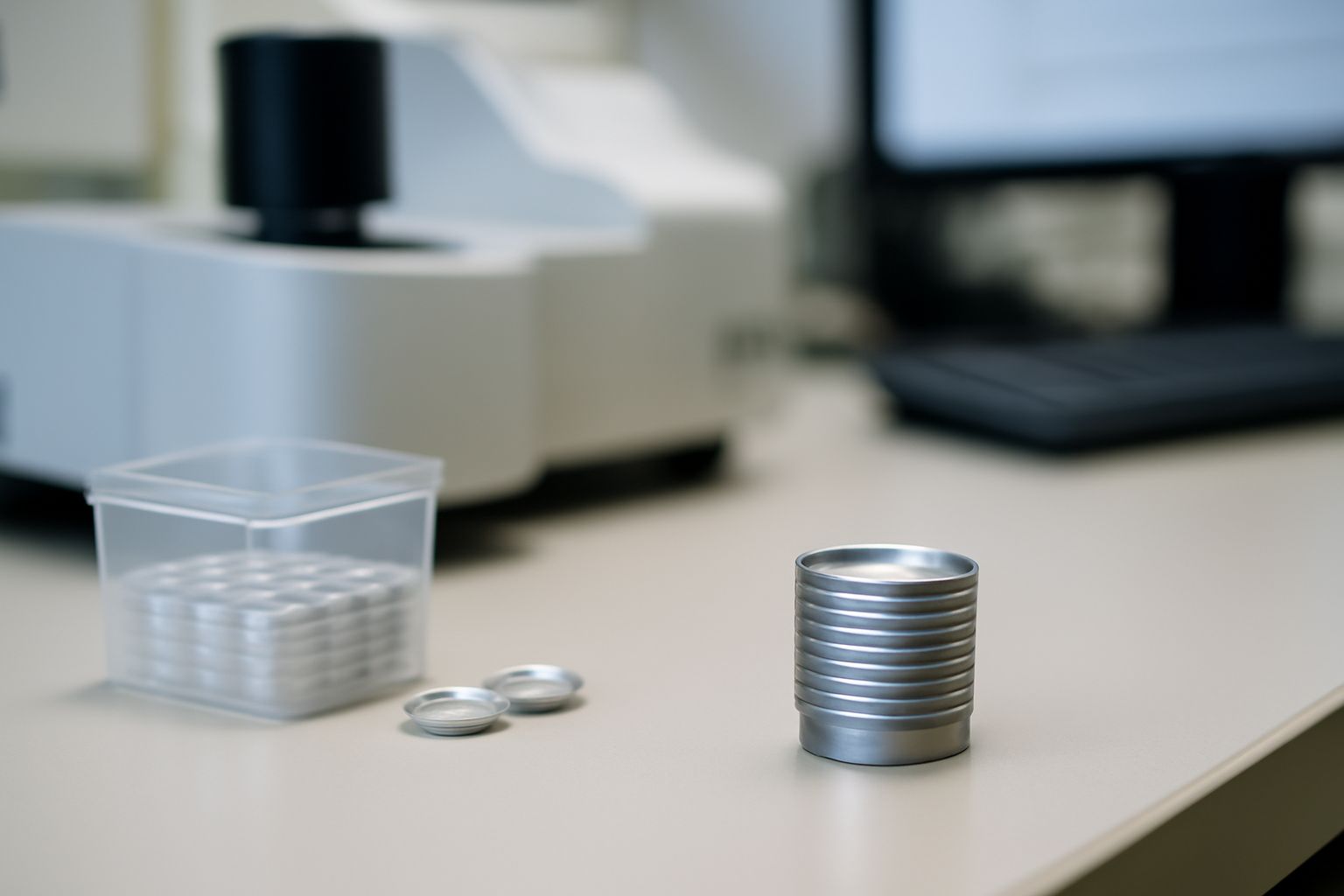
Simple, step-by-step troubleshooting prevents recurring lab problems. Having a plan helps every team member avoid downtime and unreliable test results.
Many laboratories experience frequent accessory problems, such as leakage, fit errors, and temperature failures during routine testing. Even minor mistakes can trigger costly repeat runs.
The most common problems include incorrect sizing, low-quality seals, contamination from dirty pans, and using pans not rated for high temperature or harsh chemicals.
| Common Issue | Main Cause | Reference |
|---|---|---|
| Seal Leakage | Poor O-ring quality or old age | O-ring |
| Misfit Pan or Crucible | Wrong size, off-brand model, unclear specs | Engineering Tolerance |
| Sample Contamination | Improper cleaning, reused residue | Sample Preparation |
| Deformation or Melting | Accessory used above rated temperature | Heat Resistance |
In my own lab, checking seals and confirming pan size before setup has caught most problems in advance. Spotting small flaws early can keep results stable and save time.
Compatibility is a leading cause of failed measurements. Even a small mismatch in pan, crucible, or holder often stops a lab in its tracks.
Always confirm accessory codes and compare physical specs with your instrument’s requirements. Prefer verified compatible parts and use product cross-reference lists before any purchase for security.
| Step | Compatibility Benefit | Further Info |
|---|---|---|
| Double-Check Model Match | Prevents misfit, loss of function, and errors | Scientific Instrument |
| Use Proven Cross-Reference Tables | Keeps part selection fast and worry-free | Compatibility |
| Select Certified Accessories | Adds assurance of size, performance, and compatibility | REDTHERMO |
I always keep a current model cross-reference on file and check new pans or holders on our equipment before starting a test, which saves me from interruptions and loss of sample.
Sometimes standard pans, crucibles, or seals fall short. High-temp, unique materials, or odd sample shapes may demand a different accessory approach.
Seek custom solutions from suppliers if you need features like special sizes, increased durability, or advanced leak-proof seals. Many manufacturers create tailored items after reviewing your test requirements.
| Test Challenge | Accessory Solution | Resource |
|---|---|---|
| Small Volume or Micro Samples | Order microfabricated pans or holders | Microfabrication |
| Extreme Temperatures | Use platinum or sapphire crucibles | Platinum |
| Volatile or Reactive Samples | Choose hermetic seals or high-grade O-rings | Hermetic Seal |
| Baseline Instability | Switch to guaranteed high-purity material accessories | Material Purity |
I’ve worked with several suppliers to develop custom pans when standard options cannot solve a new test's problem. Tailored designs often unlock better reliability, especially with demanding samples.
Lab accessories lose accuracy and strength over time with normal use. Neglect and poor cleaning bring early failure and unreliable results for both pans and seals.
Cleaning after every use, careful inspection, and organized storage support long-term reliability. Replace worn O-rings, bent pans, or cracked crucibles right away to maintain accuracy.
| Maintenance Step | Why It Matters | Resource |
|---|---|---|
| Ultrasonic Cleaning | Removes residue without scratching the surface | Ultrasonic Cleaning |
| Visual Checks | Detects damage or contamination before problems grow | Inspection |
| Organized Storage | Prevents accidental mixing or bending | Labware Storage |
| Usage Logs | Tracks lifecycle and supports timely replacement | LIMS |
My team keeps a log after each cleaning cycle and inspects pans under magnification every week. These habits keep costly test failures away and stretch the lab’s supply budget.
Labs that focus on compatibility, quality, and care enjoy fewer problems with their thermal analysis accessories. Proactive troubleshooting practices keep data quality high and prevent unnecessary delays.


C082.Wangdefu International Building, Furong, Changsha, Hunan, China


+86-19907415020