



SHOPPING CART
Your cart is empty.
shop now
Your cart is empty.
shop now
Struggling with unreliable DSC data can disrupt your workflow and eat up valuable time. These headaches often point straight to issues with your sample pans or preparation methods.
To reduce errors in polymer testing, always use high-quality DSC consumables and follow precise preparation steps. This prevents pan deformation, sealing failures, and sample contamination, ensuring your results stay reproducible and trustworthy.
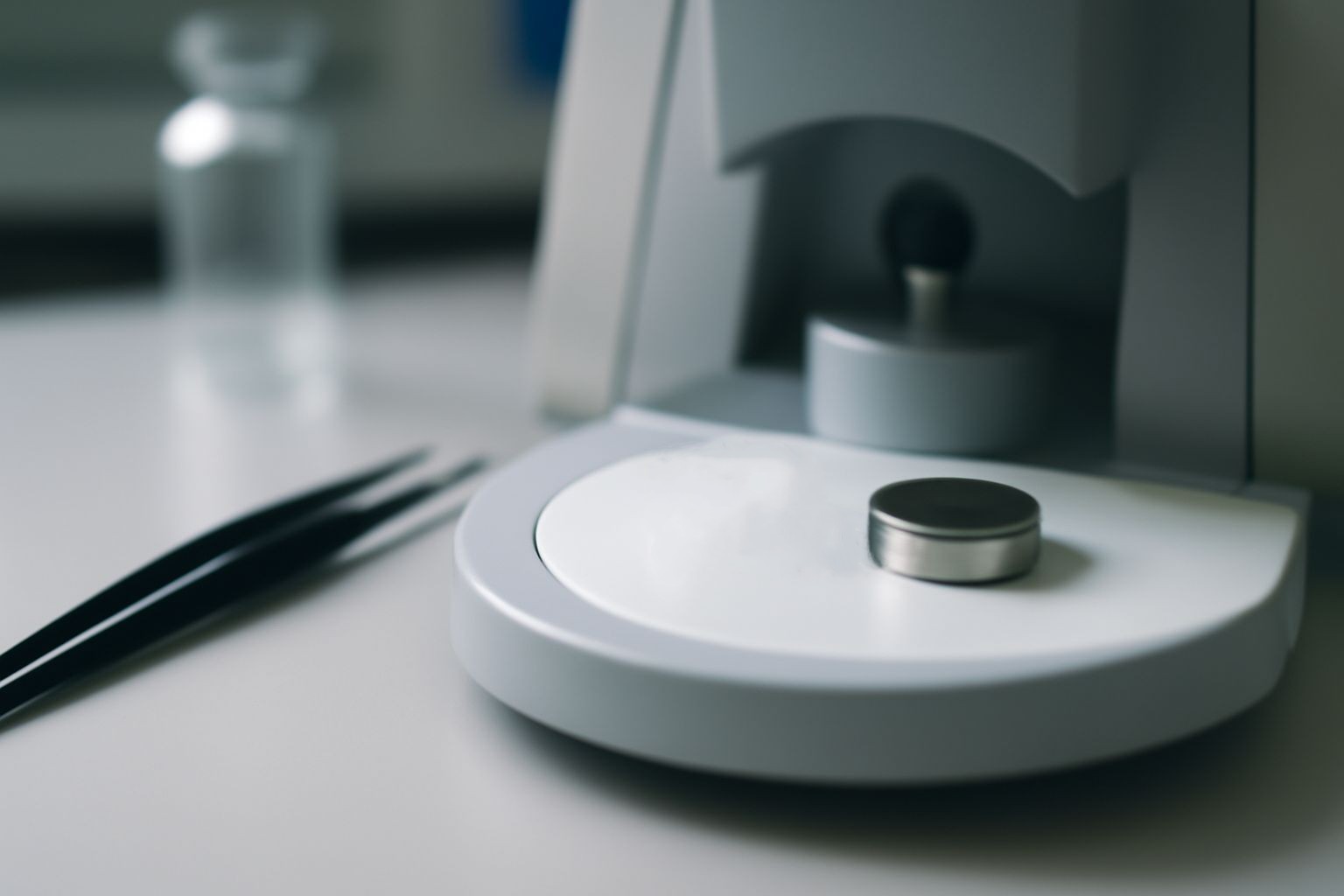
If you want to boost your polymer testing accuracy and avoid wasted experiments, you must recognize how to spot and fix problems with DSC consumables. Read on for practical advice that helps you save time and keep your lab running smoothly.
Few things are as frustrating as running the same polymer sample twice and seeing two different peaks. This problem can disrupt product launches or delay vital research findings if left unchecked.
DSC test results may vary when sample pans are deformed, poorly sealed, or contain leftover contaminants. These issues disrupt heat flow and compromise repeatability. Picking the right-quality pan and preparing it properly minimizes such risks.
| Cause | Impact on Test | How to Fix | Reference |
|---|---|---|---|
| Pan deformation | Poor thermal contact, noisy baselines | Inspect pans visually; replace bent pans | Differential scanning calorimetry |
| Improper sealing | Sample loss, altered peak shapes | Use calibrated sealing tools | Research paper: Effects of sealing in DSC |
| Sample contamination | Artifact peaks, high noise | Use new or thoroughly cleaned pans | Contamination control |
Many laboratories face these problems, especially when reusing pans for polymer samples. After switching to only using fresh, well-sealed pans from reputable suppliers, I saw my DSC results become much more consistent after each run.
A bent or warped sample pan often causes subtle errors that are easy to miss until your baseline starts to drift or you see unexpected peaks.
Pan deformation interrupts the even heat flow required by DSC. Uneven pans can create non-uniform temperature distribution, distorting transition temperatures or even masking small events in polymer samples.
| Deformation Type | Common Symptom | Diagnostic Tip | Learn More |
|---|---|---|---|
| Dished or dented bottom | Noisy or drifting baseline | Check pan flatness before use | Calorimeter types |
| Edge crimp failure | Leakage, irregular melting | Test seal integrity using dye solution | Sample prep in thermal analysis |
| Lid does not sit level | Partial loss of volatile samples | Ensure lids are pressed down evenly | Thermal analysis overview |
I learned the importance of checking every pan’s flatness by running a quick visual inspection before placing samples. Even small dents caused baseline shifts that made low-level transitions impossible to see in polymers like PET and PC. I recommend only using pristine pans from reliable sources when your results matter.
Cross-contamination is an easy trap, especially when you want to reuse sample pans to save money or time in your polymer analysis routine.
Sample contamination in DSC usually comes from leftover residues, improper cleaning, or touching pans with bare hands during prep. This can introduce artifact peaks or shift transition points, making repeat testing almost meaningless.
| Contamination Source | How It Affects Results | How to Prevent | Extra Info |
|---|---|---|---|
| Residual polymers | Non-representative melting events | Use ultrasonic cleaning or discard used pans | Ultrasonic cleaning |
| Sample handling (finger oils) | Unexpected heat flow or baseline drift | Use powder-free gloves and forceps | Sample preparation basics |
| Chemical cross-reactions | New or shifted peaks | Handle one sample batch at a time | Polymer residue effects |
I found that contamination troubles nearly disappeared once I switched to single-use pans and always handled them with forceps. For tough polymer samples, I sometimes use ultrasonic cleaning.
A leaking hermetic pan can ruin hours of testing, especially when analyzing polymers known for volatile additives or moisture sensitivity.
To avoid leaks, use only certified sealing tools and good-quality pans rated for hermetic closure. Double-check every seal’s tightness and test new brands using high-volatility samples before routine work begins.
| Best Practice | Why It Works | Verification Method | Further Reading |
|---|---|---|---|
| Use dedicated punching/crimping tools | Achieves uniform seal tightness | Check against known leak standards | Hermetic seal |
| Train staff on proper technique | Reduces user-related errors | Have two people double-check seals | Sealing tool impact |
| Store pans in dry, dust-free boxes | Prevents foreign particles causing imperfect seals | Store with silica packets to keep dry | Silica gel |
When starting with a new batch of hermetic pans, I always run a blank test with water samples. Over time, I have prevented costly sample loss by training everyone in our lab to spot imperfect seals before the pans go into the DSC. Simple habits like this have kept my polymer analysis work running with fewer interruptions and more confidence in the data.


C082.Wangdefu International Building, Furong, Changsha, Hunan, China


+86-19907415020