



SHOPPING CART
Your cart is empty.
shop now
Your cart is empty.
shop now
Laboratory waste continues to grow in volume. Many labs turn to single-use items for convenience, yet this brings new environmental pressures.
Single-use DSC crucibles add to laboratory waste, increasing material consumption and landfill load. Switching to sustainable options can lower the ecological impact of thermal analysis without sacrificing data integrity.
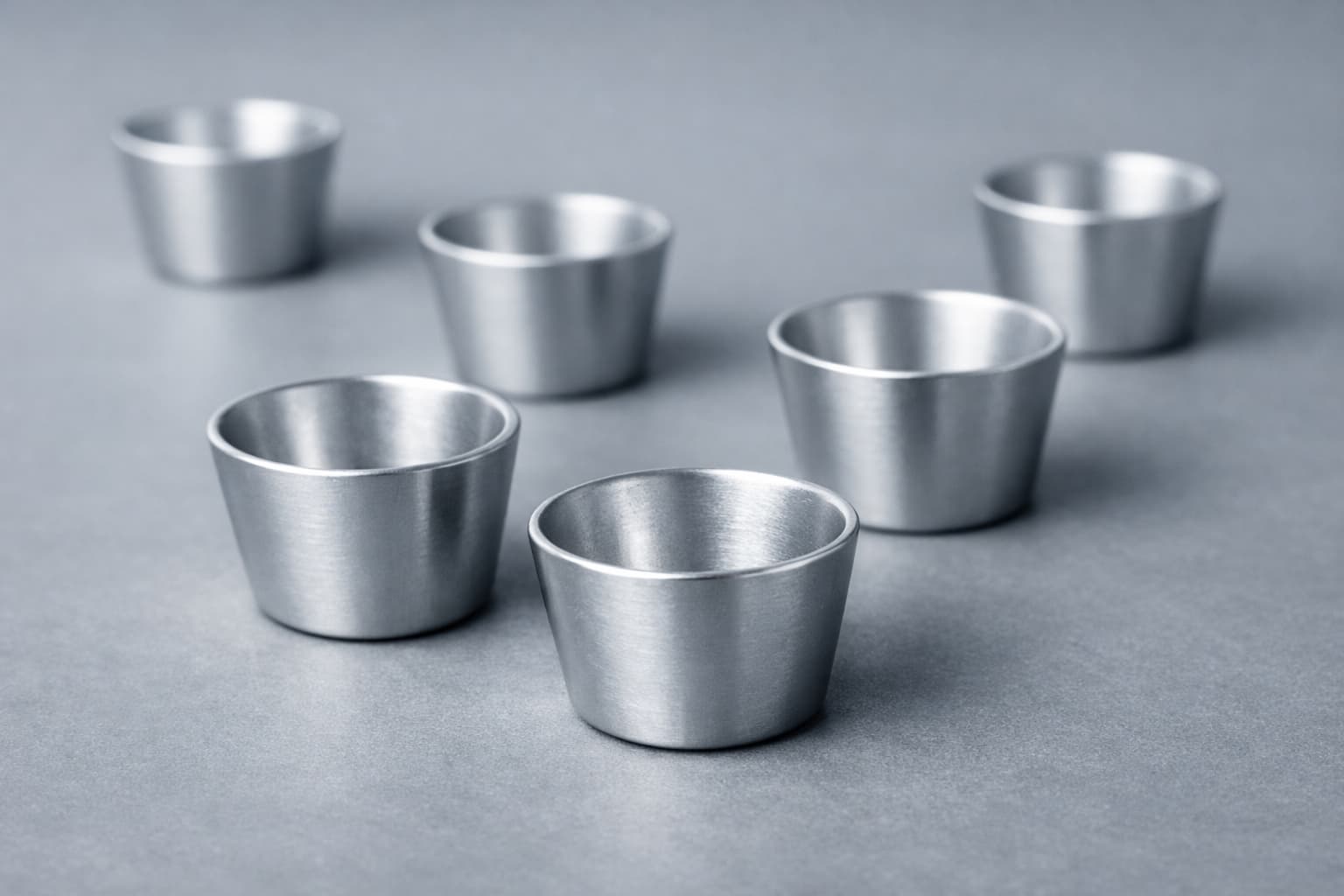
I have watched the bins fill up after days of testing. As the number of single-use DSC crucibles rises, so does my concern for the environment. I wanted to understand the waste footprint and push for workable green changes in my daily lab work.
Bulk experiments and sample testing fill garbage bags with used DSC crucibles every week. These items often end up as non-recycled solid waste.
Single-use DSC crucibles contribute to laboratory waste by increasing the volume of disposed plastic, metal, and chemical-contaminated material from routine thermal analysis.
| Material | Waste Type | Disposal Frequency | Recyclability | Environmental Impact |
|---|---|---|---|---|
| Aluminum | Metal scrap | Daily to weekly | Often low (contamination) | High landfill usage |
| Polymer | Plastic debris | Daily | Low | Long-term pollution |
| Platinum (rare) | Precious metal waste | Occasional | High (if cleaned) | Low, expensive |
Waste audits in research facilities often reveal that contaminated aluminum and polymer crucibles rarely enter recycling. Their disposal usually mixes with general hazardous waste (data source). I now track this as part of my environmental assessments.
Many labs seek new ways to reduce disposable item use. Eco-friendly solutions need to balance safety, compatibility, and result accuracy.
Eco-friendly options include reusable platinum crucibles, bio-based materials, and specialty aluminum pans designed for easy cleaning and multiple uses in thermal analysis.
| Alternative | Material | Reuse Potential | Pros | Cons |
|---|---|---|---|---|
| Reusable Platinum Crucible | Platinum | High (100+ uses) | Durable, low contaminant risk | High initial cost |
| Bio-based Crucible | Bioplastic | Varies | Reduces fossil feedstock | Limited heat resistance |
| Washable Aluminum Pan | Aluminum | Medium (5–10 uses) | Lower cost, easy cleaning | Possible distortion |
I switched my lab to reusable platinum for key stability studies. The up-front investment paid off in fewer orders and less solid waste. For routine runs, I am pushing trial programs that test bio-based crucibles and steered the team to research new cleaning agents to boost aluminum pan reuse (reference).
Some producers try to use recycled inputs, but quality control remains strict for analytical instruments. Material purity decides suitability.
Recycled aluminum and platinum may be used if refined properly and certified. Many labs demand manufacturer guarantees of purity and batch verification.
| Recycled Material | Main Use | Suitability For DSC | Challenges | Documentation |
|---|---|---|---|---|
| Recycled Aluminum | Aluminum pans | Good (if high purity) | Contaminant control | Quality certification |
| Recycled Platinum | Platinum crucibles | Excellent (refined) | High processing cost | Batch assay |
| Recycled Polymer | Bio-based pans | Fair (some tests) | Additive variation | Lab validation |
Manufacturers I contacted are piloting recycled aluminum batches that meet purity norms. Platinum is almost always recycled thanks to its value (study). I always ask for third-party batch analysis before trying new recycled items in my workflow.
Teams can shrink their environmental footprint with small planning changes and clear policies in the lab.
Laboratories can reduce waste by maximizing the reuse of crucibles, improving cleanliness to extend container life, and adopting clear recycling or return programs for spent pans.
| Strategy | Action | Implementation Ease | Cost | Impact |
|---|---|---|---|---|
| Reuse Program | Set use-count goals, inspect pans | Easy | Low | Lowers bulk orders |
| Centralized Recycling | Sort and collect waste pans | Medium | Low | More recycling, less landfill |
| Supplier Take-Back | Return used for recovery | Easy to start | Low to none | Material recovers, less waste |
| Staff Training | Teach best cleaning/procedures | Medium | Low | Boosts reuse rates |
I set up lab use-count logs to track pan reuse potential. We review container condition weekly and work with suppliers who accept used pans for possible recycling. Clear staff training also helps us maintain better standards to reuse more and waste less (EPA guidance).


C082.Wangdefu International Building, Furong, Changsha, Hunan, China


+86-19907415020